
What is the Mitsubishi HVAC Credit?
TLDR
Are you looking for ways to lower the cost of upgrading your HVAC? Countless homeowners put off HVAC upgrades because the costs quickly add up. However, there are incentives in place to help you lower the cost of upgrading, one of which is the Mitsubishi HVAC credit.
In this article, we’ll talk about the Mitsubishi HVAC credit, including the type of HVAC upgrades that qualify, how to claim the credit, and ways this credit makes your upgrade more affordable.
Share this Article >
What is the Mitsubishi HVAC Credit?
The Mitsubishi HVAC credit is a tax credit for upgrading certain HVAC components using Mitsubishi equipment. This HVAC credit is a federal tax credit that was put in place under the Inflation Reduction Act. The formal name for the credit is the Energy Efficient Home Improvement Credit.
Under this tax credit, homeowners can claim a credit equal to 30% of certain Mitsubishi HVAC expenses. The credit is set to expire at the end of 2025, making now a great time to upgrade any HVAC equipment you’ve been pushing off.


What Qualifies for the Mitsubishi HVAC Credit?
$600 Credit for Residential Energy Property
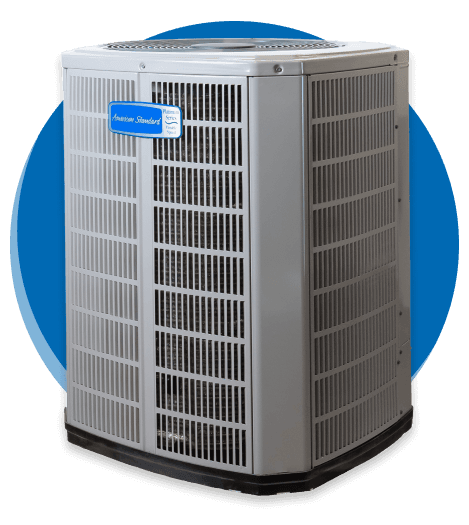
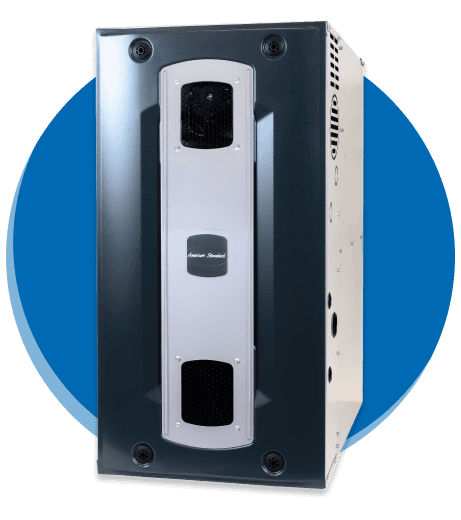
The first layer of the Mitsubishi credit applies to central air conditioners, water heaters, furnaces, and hot water boilers. These components can be natural gas, propane, or oil. Eligible Mitsubishi equipment for the $600 credit must meet or exceed the Consortium for Energy Efficiency’s highest efficiency tier. If the equipment qualifies, homeowners can deduct 30% of the cost, up to $600.
When determining the cost base for your credit, there are a few different components that apply. First, the cost of the equipment itself, such as the AC unit. Next, you can deduct installation labor. The third component is electrical upgrades needed to support the new equipment, such as updating a panelboard, branch circuit, or feeder. Electrical upgrades qualify if they have a capacity of 200 amps or more.
$2,000 Credit for Specific Energy Property
The Mitsubishi HVAC credit also applies to heat pumps, biomass stoves, and boilers, whether electric or natural gas. Heat pumps must meet or exceed the Consortium for Energy Efficiency’s highest tier when the property is installed. Biomass stoves must also have a thermal efficiency rating of at least 75% to qualify for the credit.
If these conditions are met, the maximum credit is $2,000, which is calculated at 30% of the eligible cost. Like residential energy property, labor and certain electrical upgrades can factor into your overall cost base, helping you maximize the credit.
How the Mitsubishi HVAC Credit Makes Upgrading Affordable
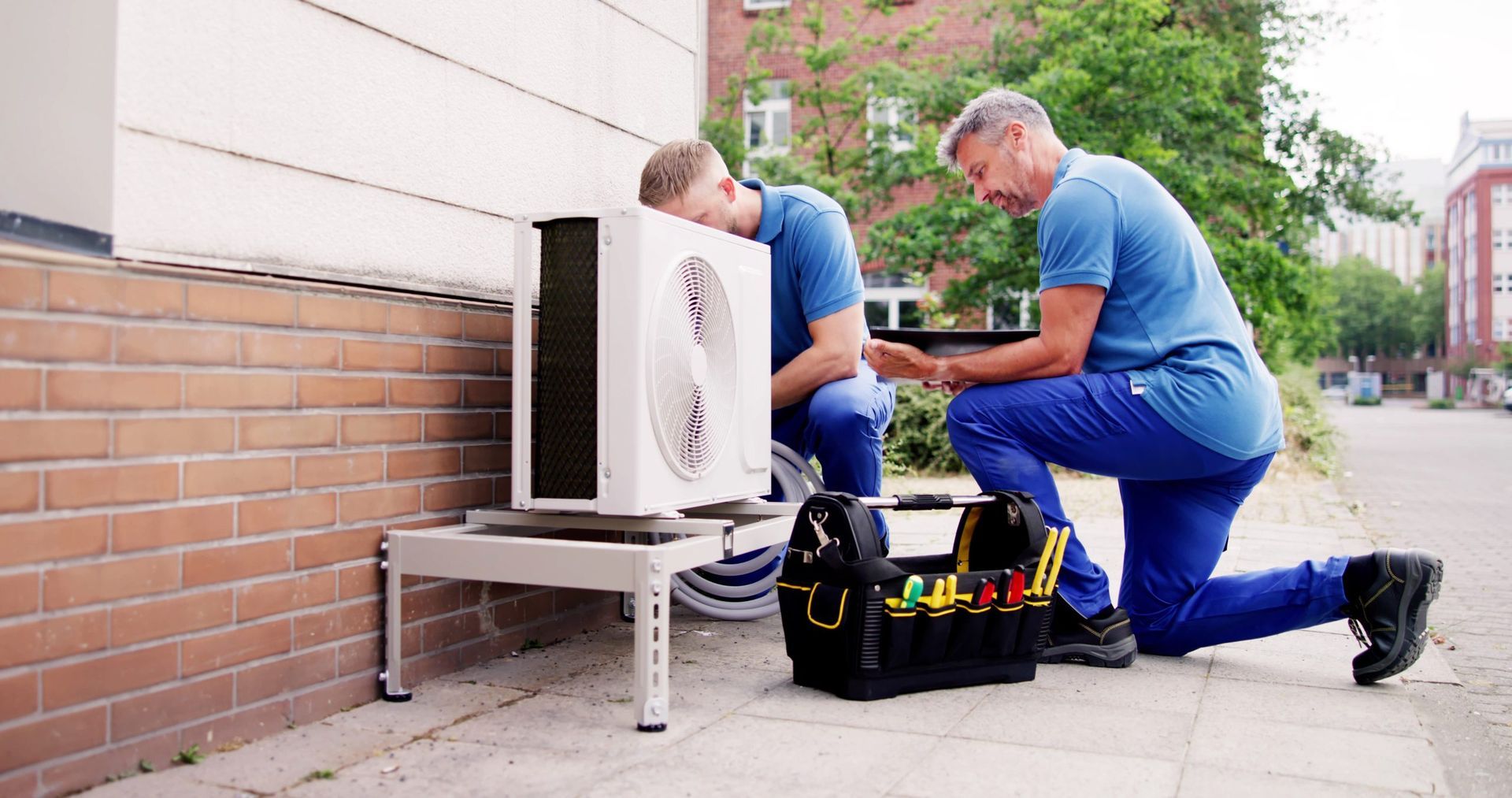
Let’s look at an example to demonstrate the cost savings. It’s the hottest day of the year, and your air conditioner finally decided to retire. As a result, you find a qualified air conditioner technician who installs a Mitsubishi unit in your primary home. The cost of the air conditioning unit was $4,000, and labor was $2,000. The unit meets all of the requirements for the tax credit.
The total eligible cost base for upgrading your AC unit is $6,000. Multiplying this by 30% is $1,800. However, the credit for air conditioning units is limited to $600. On your 2025 tax return, you will claim a credit of $600. Netting this credit with your upfront cost, and the total cost for upgrading your AC unit is $5,400. In this example, you would be saving 9%.
Now, let’s look at an example for a heat pump. You decide to replace your heat pump, which costs $10,000. The heat pump does meet the Consortium for Energy Efficiency’s highest tier, which is eligible for a credit of up to $2,000. Taking 30% of $10,000 is $3,000. Since the credit is limited, you are able to claim a credit of $2,000. This brings your net heat pump cost from $10,000 to $8,000, which is a 20% cost savings.

Summary
If you’ve been on the fence about upgrading your HVAC, consider doing so by the end of 2025 to save money with the Mitsubishi HVAC credit. Remember, this credit is claimed on your tax return, so be sure to let your accountant know about your qualifying expenses. To get your free quote for HVAC upgrades, contact one of our team members today.

Share this Article >
Need help?
Our AC Services