
Is Your AC Low on Freon? How to Spot the Signs Before it Breaks Down
Share this Article >
If your AC is not cooling your space as efficiently as before or running longer than normal to keep your home cool, you may have a low Freon issue.
Freon is the chemical responsible for absorbing heat and keeping your home cool. Without enough of it, your air conditioner won’t be able to remove heat, no matter how long it runs.
Also, the longer this issue persists, the more likely it is to strain your system and lead to a full system breakdown.
Thankfully, you’re not on your own in resolving this issue. In this article, we have compiled the top signs that your AC refrigerant is low, common causes, and how to deal with it.

What is Freon and Why Does It Matter?
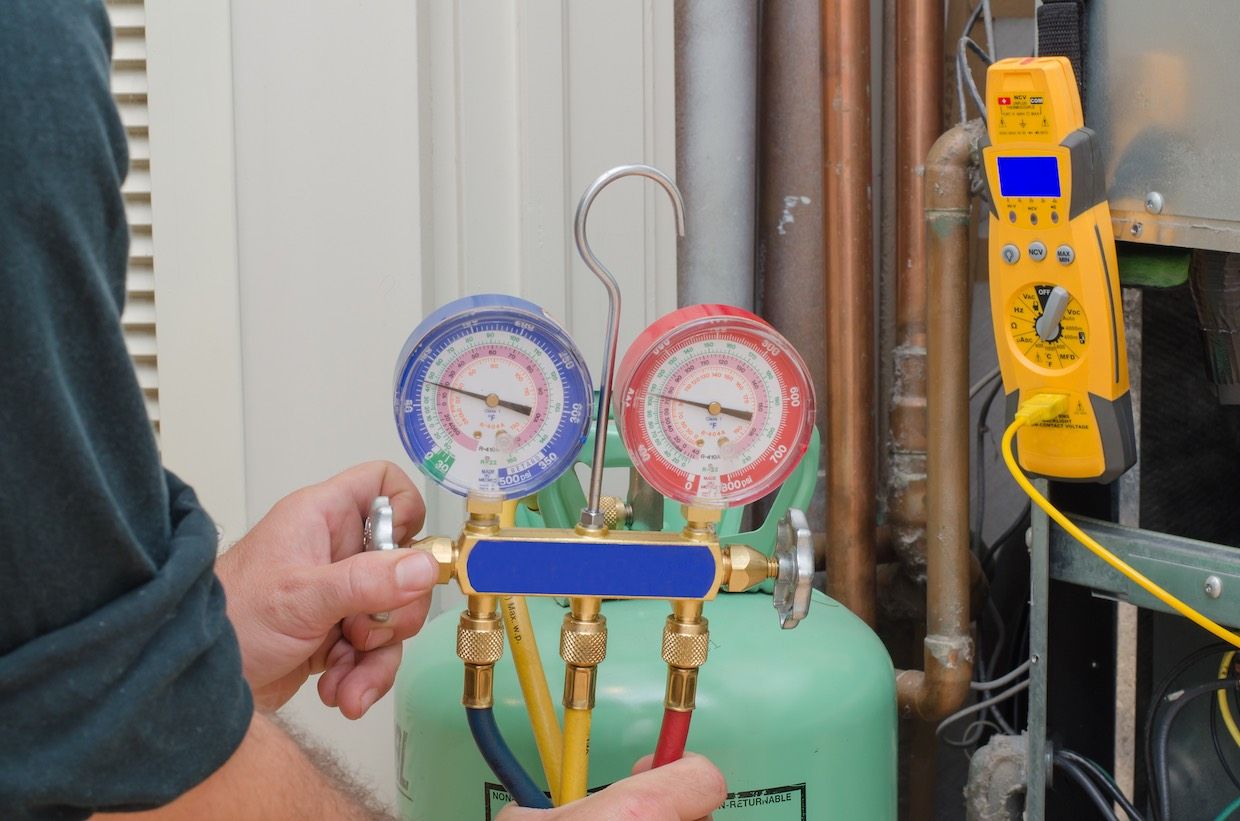
Freon is a type of refrigerant, which is a chemical compound that helps cool your home. This compound undergoes an evaporation process repeatedly to help produce the cool air that is circulated throughout your AC system. It plays a vital role in temperature regulation.
Even though Freon is a brand name, many people use it to refer to refrigerants in general. Older ACs use R-22 Freon, which the EPA has banned, while newer ones use more environmentally friendly refrigerants such as R-32. No matter the type, the function remains the same; no refrigerant, no cool air.
As a homeowner, you need to know that refrigerants don’t get used up over time. If your system is low on Freon, it’s likely because of a leak. And when that happens, your AC will struggle to cool your home, start running for longer hours, and may even stop working entirely.
Common Signs Your AC is Low on Freon
If your air conditioner is low on Freon, it won’t shut down right away, but it will show some signs of trouble. Catching these signs early is crucial to avoiding serious damage and costly repairs. Here are some signs to look out for:
1. Weak and Warm Airflow from Vents
When your air conditioner is low on refrigerant, it will cause a significant reduction in airflow. This is because the refrigerant plays a crucial role in cooling the air. And when its level drops, the cooling power of your system is reduced, leading to warm air blowing out of the vents.
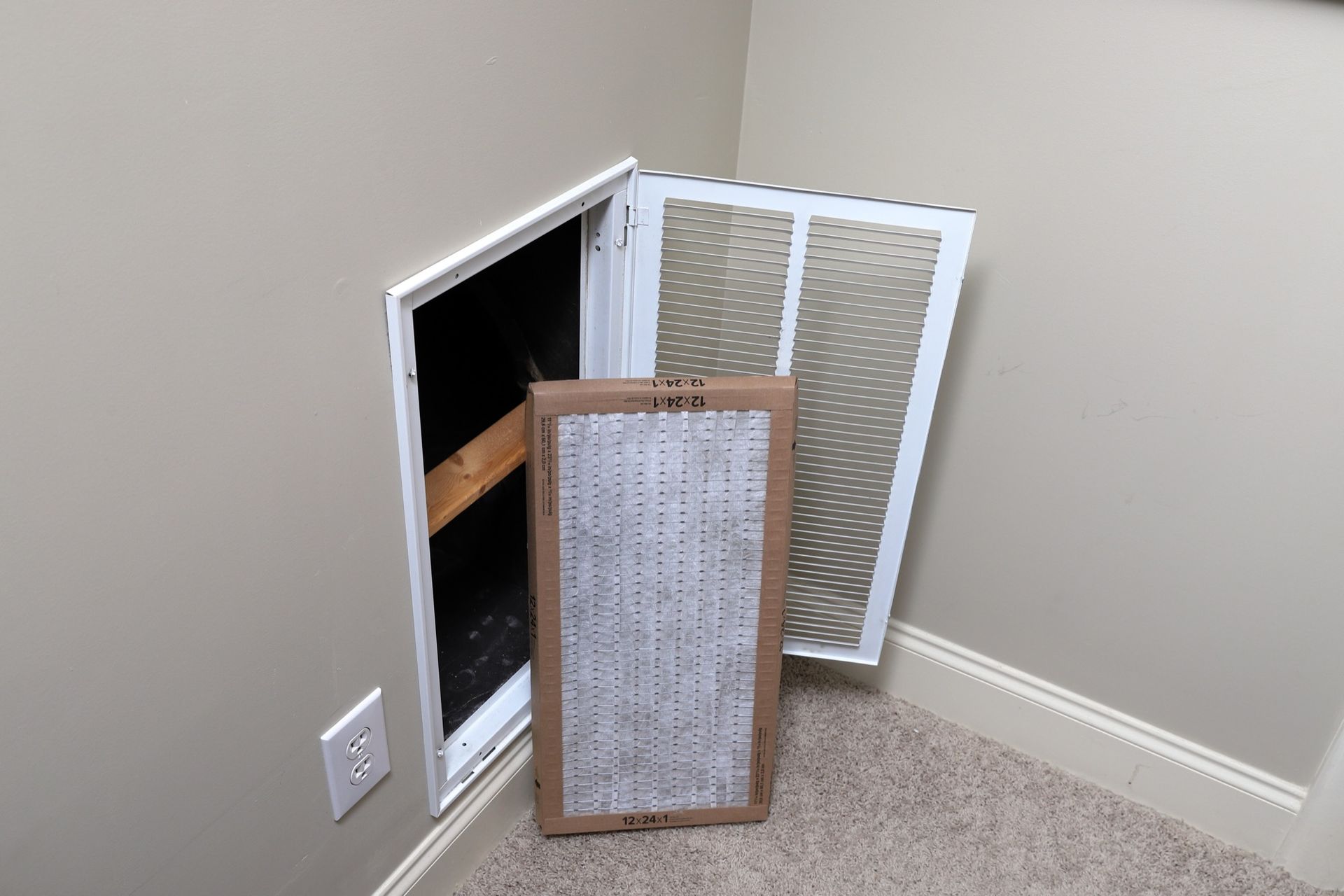
Dust buildup in vents or filters reduces airflow and forces the AC to work harder, increasing strain on the system.
2. Longer Cooling Cycles than Normal
3. Unusually High Energy Bills
Are you seeing a sudden increase in your energy bills without a corresponding increase in electricity rates or usage habits? It could be a sign that you are low on Freon. An AC system with low refrigerant levels will have to work harder and longer to produce the same amount of cooling. The longer run times increase energy consumption and are reflected on your energy bill.
Higher energy bills without an explanation are usually a sign of inefficient AC operation and should be addressed quickly before it causes further damage.
4. Ice Buildup on Refrigerant Line
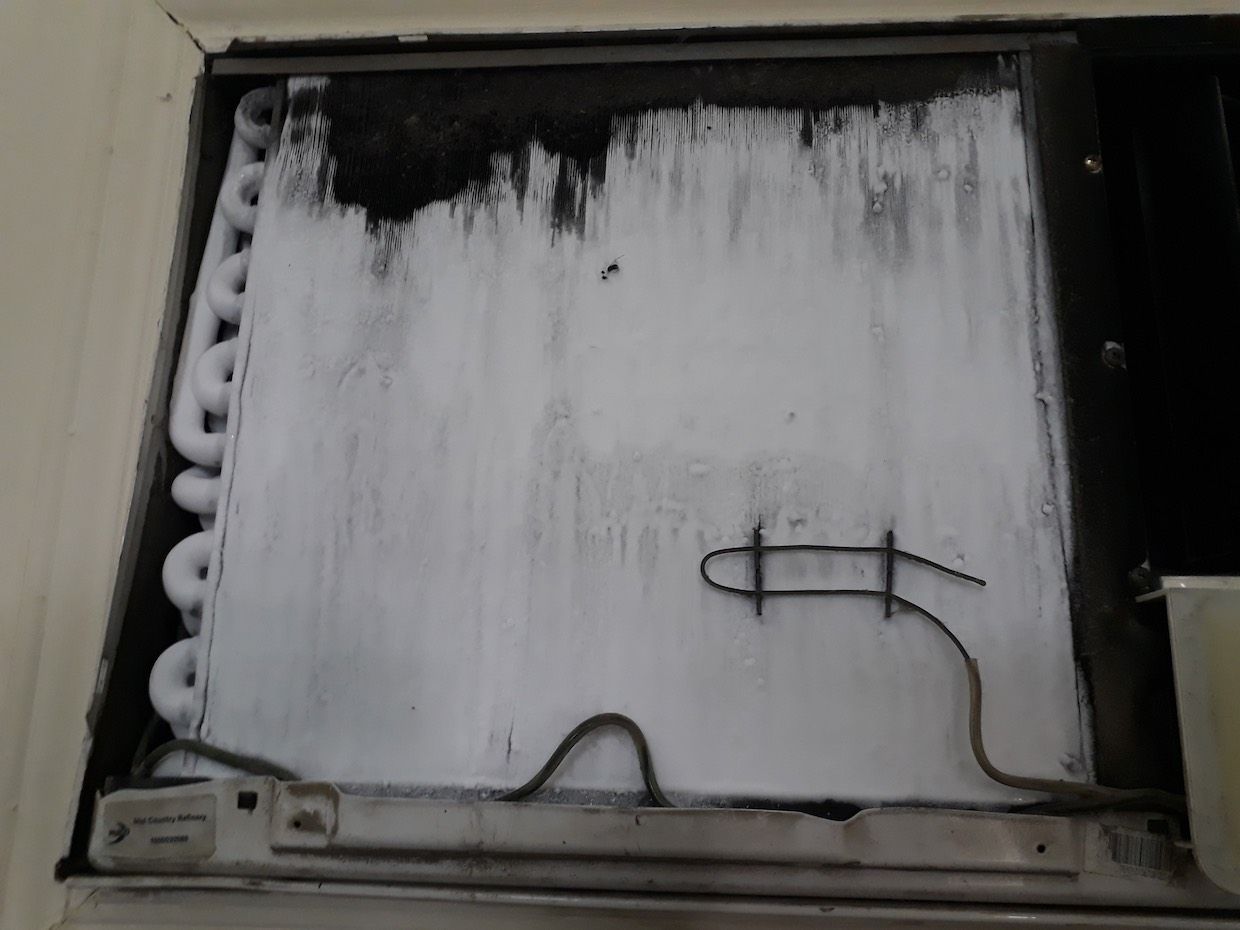
One of the most obvious signs of low Freon levels is ice forming on the refrigerant line. When your refrigerant level drops, the pressure inside your system also drops. This causes the refrigerant to become colder than normal. Instead of absorbing heat from your home, it begins to freeze the surrounding moisture, eventually forming thick ice. Over time, this turns into thick ice and blocks airflow.
If you notice ice buildup on your refrigerant line, turn off your AC and call a licensed HVAC technician immediately.
5. Hissing or Bubbling Sounds
A hissing noise from your air conditioner is an indication that the refrigerant is not circulating through your system as it should. The noise is usually caused by a Freon (refrigerant) leak, which can be very dangerous if not promptly addressed.
Meanwhile, bubbling sounds suggest that air is trapped in the refrigerant line, usually as a result of insufficient refrigerant. If you notice any of these signs, call the nearest Wake Forest HVAC professional.
7. High Humidity in Your Home
What Causes Low Freon Levels
If your AC refrigerant (Freon) is low, it is almost definitely a leak. Here are the common causes of Freon leaks:
- Faulty Installation : Poor installation can lead to loose connections or unsealed joints, making it easier for refrigerants to leak.
- Corrosion : Over time, copper lines can corrode, creating small holes or cracks that allow your refrigerant to escape. For instance, exposure to water or even humidity in the air can cause this reaction.
- Accidents : Punctures from yardwork, during maintenance, building remodel, or even rodents can lead to Freon leaks.

What To Do If You Have Low Freon Levels
If you suspect your AC is low on Freon, here is what you can do:
1. Identify the Problem
2. Call a Professional
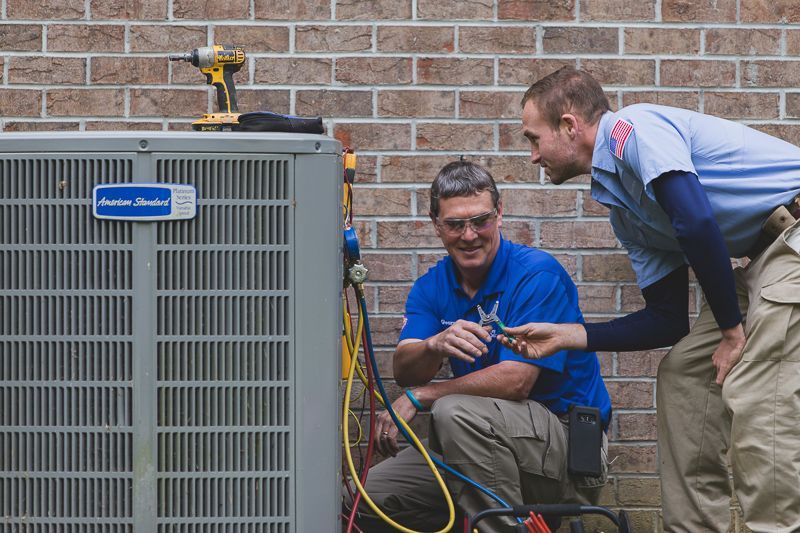
Don’t try to fix a low Freon problem by yourself; it could lead to more extensive and costly damage. It could also be harmful to your health. Rather, get a licensed HVAC technician to run a diagnostic check and confirm your suspicion.
Diagnostics usually involve checking for leaks using specialized equipment that can detect even tiny holes. The technician seals the leak and recharges the refrigerant.
Conclusion
Low Freon levels don’t just happen. Your refrigerant does not get used up over time, so the answer is definitely a leak. A refrigerant leak will strain other AC components, reduce airflow and indoor air quality, and eventually, lead to a system breakdown. Fortunately, you don’t have to wait for this to do something about it.
Watch for early signs like weak airflow, ice buildup, and high humidity, and act quickly by calling a licensed technician.
Staying ahead of refrigerant issues is one of the smartest ways to protect your AC system and avoid a full breakdown. If you have noticed signs of low refrigerants, don’t wait – contact your local Wake Forest HVAC technician immediately.

FAQs
How can I tell if the AC is running low on Freon?
How do I know if my AC is broken or low on Freon?
Will the AC unit shut off if Freon is low?
Will the AC work if it's low on Freon?
How often should I add refrigerant (Freon) to my AC?
Can an AC unit lose refrigerant without a leak?
Can I add Freon to my AC unit?
How long can an AC run without Freon?
Will my AC compressor make noise if it's low on Freon?
What happens when the air conditioner runs out of Freon?
Share this Article >
Need help?
Our AC Services