
What You Need to Know About the Expiring Mitsubishi Tax Credit
TLDR
Did you know that many of the energy-efficient tax credits passed in 2022 are now expiring? Were you able to take advantage of these credits? If not, there is still time left, as the Mitsubishi HVAC tax credit is available through the end of 2025.
In this article, we’ll cover the fundamentals of the Mitsubishi tax credit, including how you can maximize the tax credit and important information about the upcoming expiration date.
Share this Article >
What is the Mitsubishi Tax Credit?
The Mitsubishi HVAC tax credit is a federal tax incentive for upgrading to energy-efficient HVAC components, like an air conditioner or heat pump. The formal name of the Mitsubishi tax credit is the Energy Efficient Home Improvement Credit, which is claimed on your individual income tax return. On eligible improvements, homeowners can claim a 30% credit, up to $2,000, for certain upgrades, including:
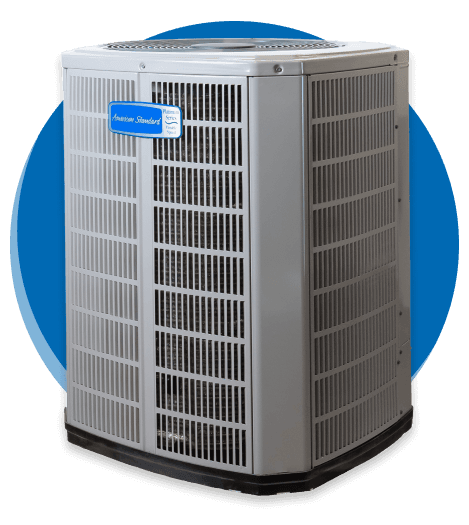
- Central air conditioners
- Natural gas, propane, or oil water heaters
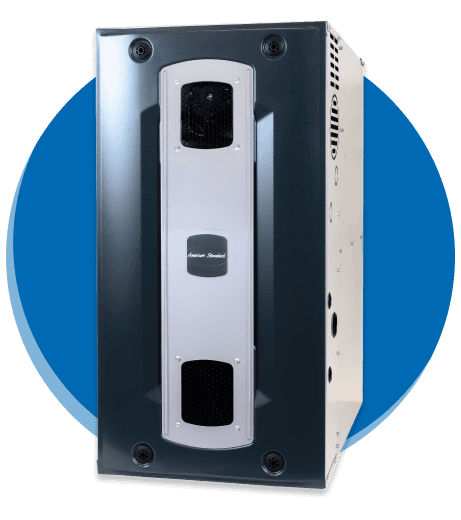
- Natural gas, propane, or oil furnaces and hot water boilers
- Electric or natural gas heat pumps
- Electric or natural gas heat pump water heaters
- Biomass stove and boilers
- Panelboards, sub-panelboards, branch circuits, and feeders
The credit is claimed by filing Form 5695 on your individual income tax return. However, the above improvements must meet specific requirements to be eligible for the credit. Check out our other posts for more information about the equipment specifications that must be met.


When Does the Mitsubishi Tax Credit Expire?
The One Big Beautiful Bill placed an end date of December 31, 2025 for the Energy Efficient Home Improvement Credit. This means that HVAC upgrades need to be placed in service by the end of 2025 to qualify for the tax credit. Property placed in service during 2025 will be eligible for a credit on your 2025 individual income tax return.
How to Maximize the Mitsubishi Tax Credit


Review Your HVAC Equipment
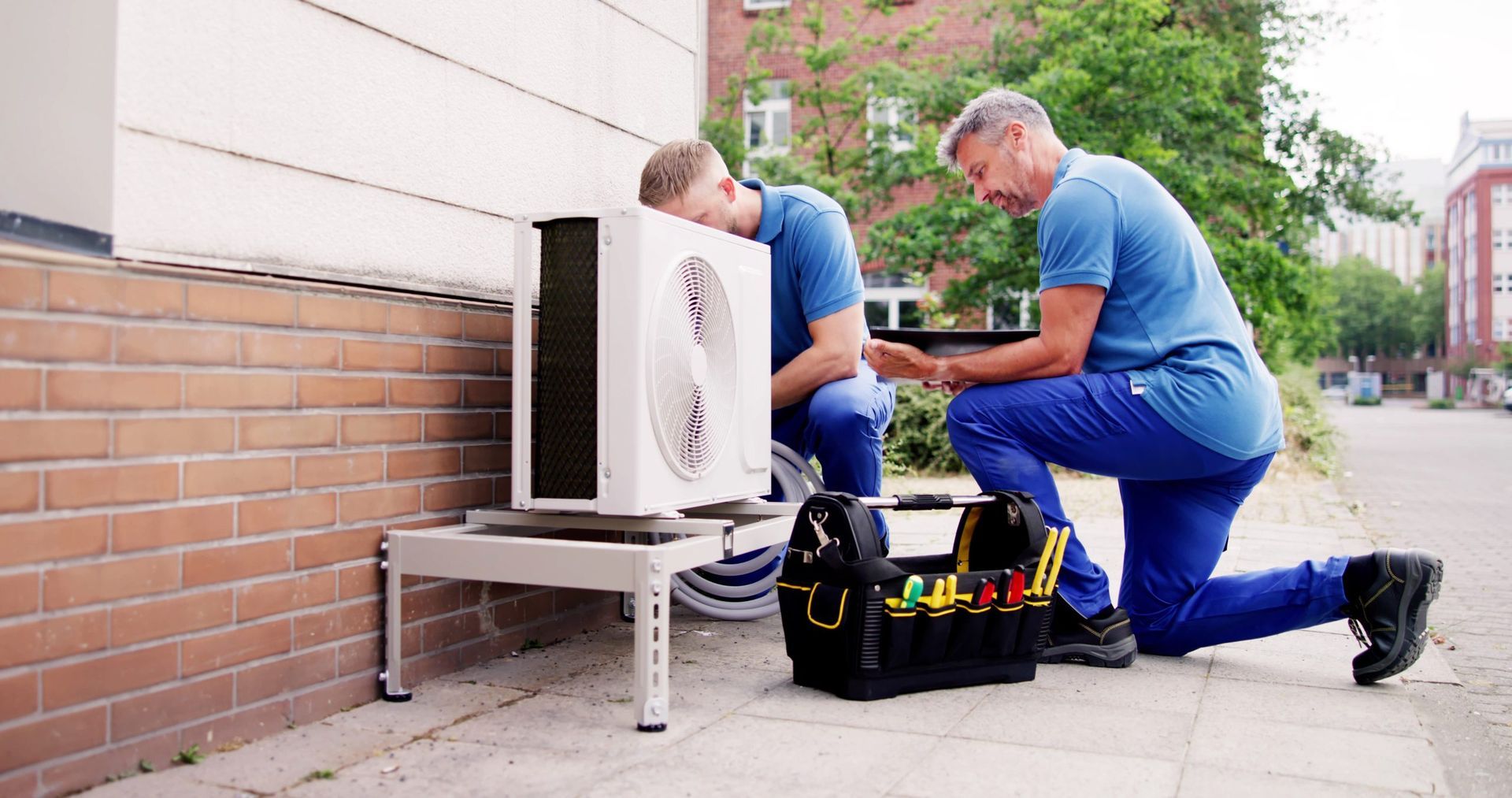
While your HVAC equipment might currently be running fine, it’s best to have a technician perform an assessment. A qualified technician will be able to forecast upcoming problems, like an air conditioning unit that is nearing the end of its lifecycle. This can help you determine if now is the right time to replace or upgrade your HVAC equipment.
For example, if your HVAC technician estimates that you have another year left in your air conditioner’s lifecycle, you might decide to replace it by the end of 2025 to secure the $600 tax credit. While you may be moving the expense up by a few months, you can actually save more money by leveraging the expiring Mitsubishi HVAC credit.
Calculate All Eligible Costs
Another strategy for maximizing your energy-efficient tax credit is to include all applicable expenses in your credit claim. The following expenses can be added to the total used to calculate your credit:
- HVAC Equipment – The cost of the HVAC equipment itself, like the air conditioning unit, furnace, or boiler, is used in the credit calculation.
- Electrical Upgrades – The cost of upgrading electrical components to support the HVAC improvements, like a panelboard or branch circuit, can be included. However, electrical upgrades must meet the National Electric Code and have a 200-amp capacity or more.
- Labor and Installation – Costs associated with the labor and installation of your HVAC improvements are included in the total.
- Shipping, Freight, and Delivery Fees – If you pay extra shipping, freight, or delivery fees, you can include those in your credit computation.
Let’s say that you paid $4,000 for a boiler, $1,000 to upgrade the supporting electrical components, $3,000 for installation, and $500 for delivery fees. The upgrade qualifies for a maximum credit of $2,000. Only including the amount paid for the boiler would result in a credit of $1,200. However, by adding in all of the other eligible components, you can take the full $2,000 credit.


Consider Upgrading All Equipment
There are two main sections of the Mitsubishi tax credit. The first section applies to heat pumps, biomass boilers, and biomass stoves. This section of HVAC equipment is eligible for a credit of up to $2,000. The second category of HVAC equipment includes air conditioners, water heaters, furnaces, and water boilers. This category has a $600 credit cap.
If your home is in need of upgrades from each of these equipment categories, you can maximize the credit. The IRS allows a total credit claim of $2,600 for these categories. Instead of spreading out the costs and replacing one item in the current year and another during the next year, consider doing both upfront. Not only can you potentially save money on labor costs, but you can also ensure you are maximizing your tax credit.
Watch Installation Dates
If you are upgrading your HVAC equipment near the end of the year, be aware of the credit cut-off dates. For example, installing equipment on December 31 versus January 1 can make or break whether you can claim the Mitsubishi HVAC credit. If you are replacing your equipment in December, consider scheduling the installation early. You don’t want to have an unexpected event come up and need to push your installation back to 2026.

Maintain Relevant Documentation
While the IRS doesn’t require you to attach a receipt or invoice to your return when claiming the credit, you should have this information on hand. If the IRS does audit your return, they will ask for substantiating information. A bank statement showing the charge won’t be sufficient. Instead, you will need an invoice outlining the type of equipment installed, who installed it, the total price, and the date of installation.
Other information, like the serial number or manufacturer’s information, can be helpful to prove that the equipment is eligible for the credit. This information can also be useful if you need to submit a warranty claim. Consider storing all documentation in a file folder or on the cloud to have in case of an inquiry.
Work with Reputable Installers
Not all HVAC improvements or equipment models are eligible for the tax credit. This makes it important to work with a reputable and qualified installer to ensure that you are complying with energy-efficient requirements. For example, some HVAC companies may say that certain equipment is eligible when it is not. This can lead to issues with the IRS if they audit your return.
Instead, work with an HVAC company that has a history of honesty and trustworthiness. Additionally, always complete your own due diligence and ask the installer to verify that the equipment is eligible for the tax credit. You don’t want to be blindsided by a disallowed credit.

Summary
The Mitsubishi HVAC tax credit is expiring at the end of 2025. There is no HVAC energy-efficient credit set to replace the Energy Efficient Home Improvement Credit. If you’ve been considering upgrading your HVAC, you may want to do so before the end of 2025 to take advantage of an additional federal tax credit. Reach out today for more information or to get a quote from one of our team members.

Share this Article >
Need help?
Our AC Services