
Repair Vs. Full Replacement: What To Do When Your AC Fan Motor Fails?
Share this Article >
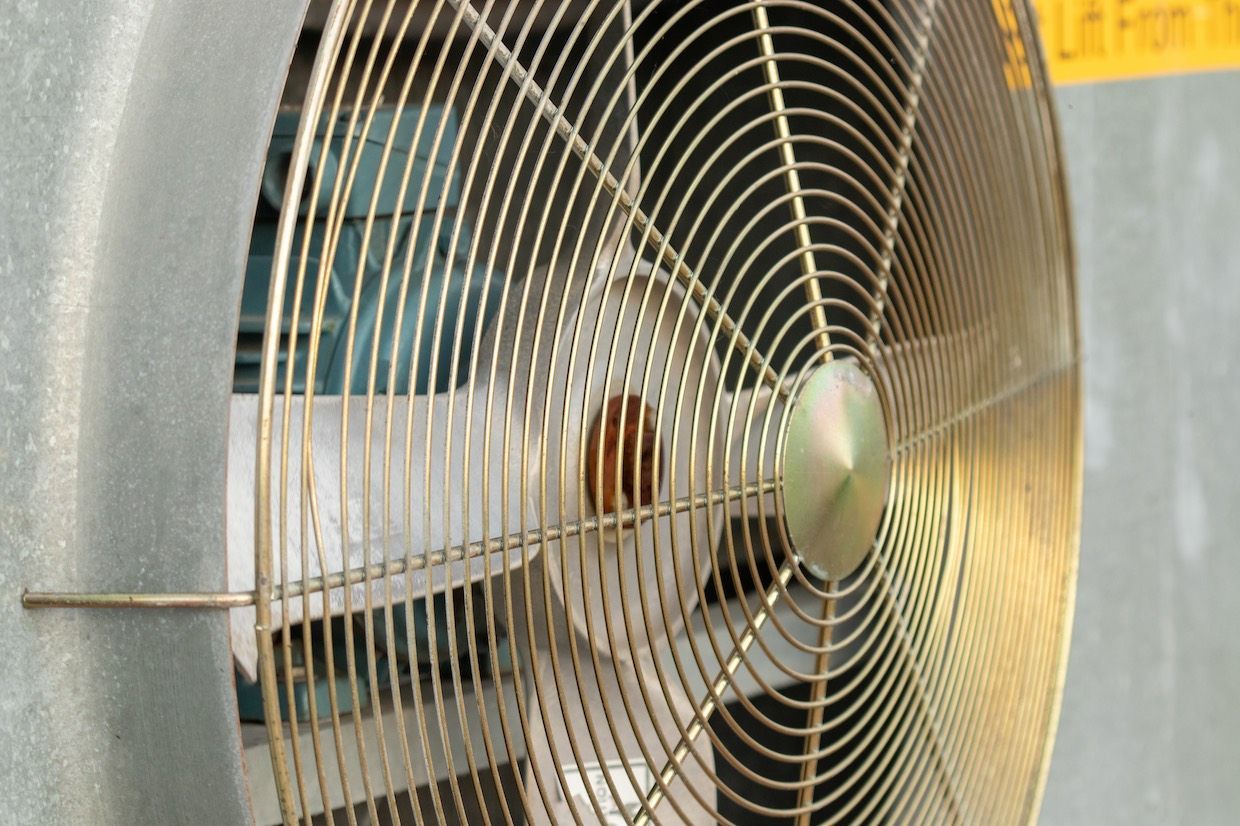
One of the most common reasons your air conditioner (AC) suddenly stops cooling is a broken fan motor. This important part moves air over the condenser coil, helping to keep your home cool during summer.
Like other AC parts, the fan motor can wear out or fail. When this happens, you have to decide — should you repair it or replace it?
In this blog, we’ll explain why an AC fan motor fails, the warning signs to look for, and how to choose between repair and replacement.
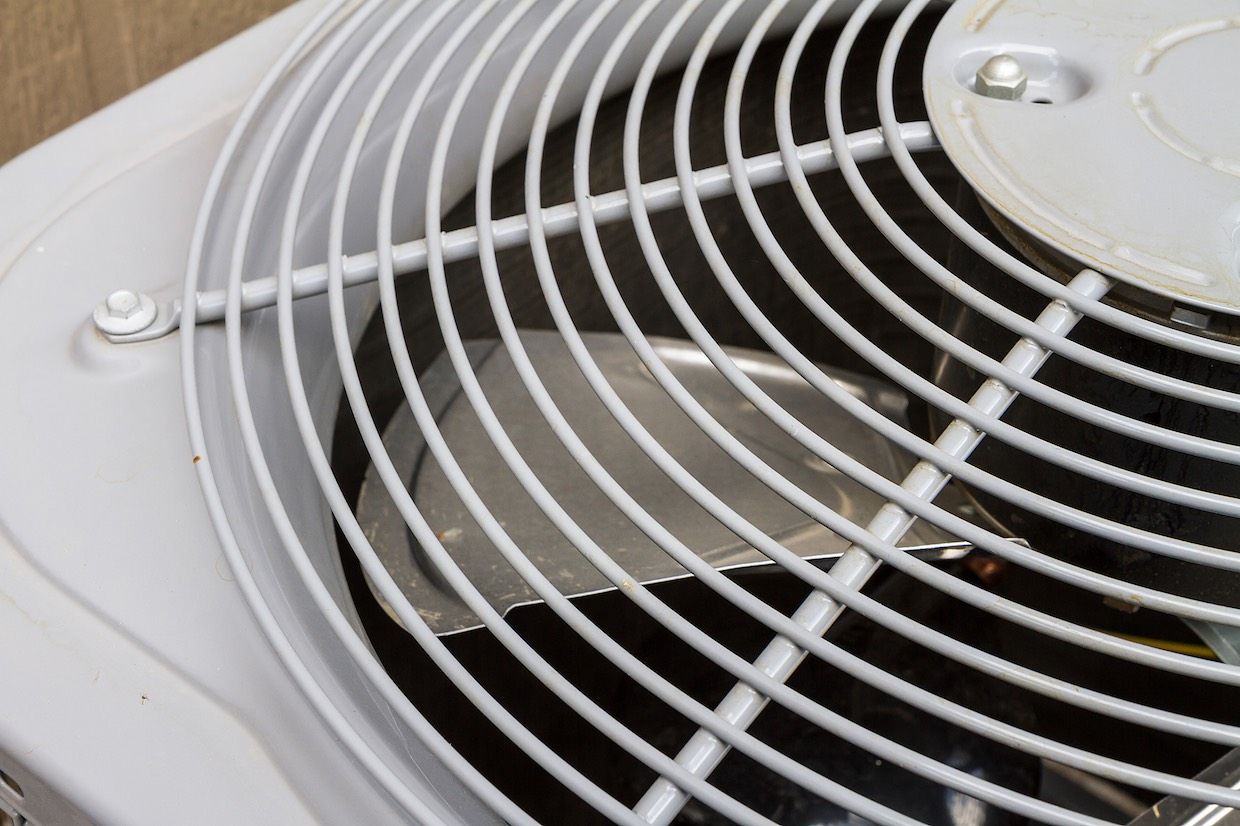
Why an AC Fan Motor Fails
Your AC fan motor works hard, especially in the hot summer months. Several things can cause it to fail:
Overheating From Poor Ventilation
Overheating is one of the main causes of fan motor failure. This happens when airflow is blocked by clogged vents or objects around the unit.
To prevent overheating:
- Keep the area around the AC clear.
- Place the unit in a well-ventilated spot.
- Avoid sealing it in hot spaces.
- Use extra fans in very hot environments.
Electrical Surges and Overload
To prevent overheating:
- Keep the area around the AC clear.
- Place the unit in a well-ventilated spot.
- Avoid sealing it in hot spaces.
- Use extra fans in very hot environments.
Bearing Problems and Poor Lubrication
Bearings help the motor run smoothly. If they aren’t maintained or lubricated, the motor can fail. Signs of bearing problems include:
- Vibration while running
- Lower motor efficiency
- Overheating
Dust and Debris Around the Outdoor Unit
Dust and debris make the motor work harder, increasing the risk of overheating and airflow blockages.
Prevention tips:
- Clean the motor and surrounding parts often.
- Use high-quality filters to keep debris out.
High Humidity Causing Rust or Corrosion
Signs Your Fan Motor Is Failing
A failing motor usually shows warning signs before it fully stops working. Spotting these early can help you avoid big repairs.
- Fan is slow to start or not spinning — If the AC turns on but the fan doesn’t spin, the motor may be stuck or burned out. The fan might also start and stop often.
- Vents blow warm air — This means not enough air is moving over the coils, causing more wear and less cooling.
- System shuts down — When overheated, the motor may trigger safety switches, shutting the AC off until it cools.
- Strange noises — Grinding or rattling sounds mean the motor could be worn, loose, or lacking lubrication.
- Burning smell — A burnt or electrical odor from the outdoor unit could mean wiring problems.
When Repair Makes Sense
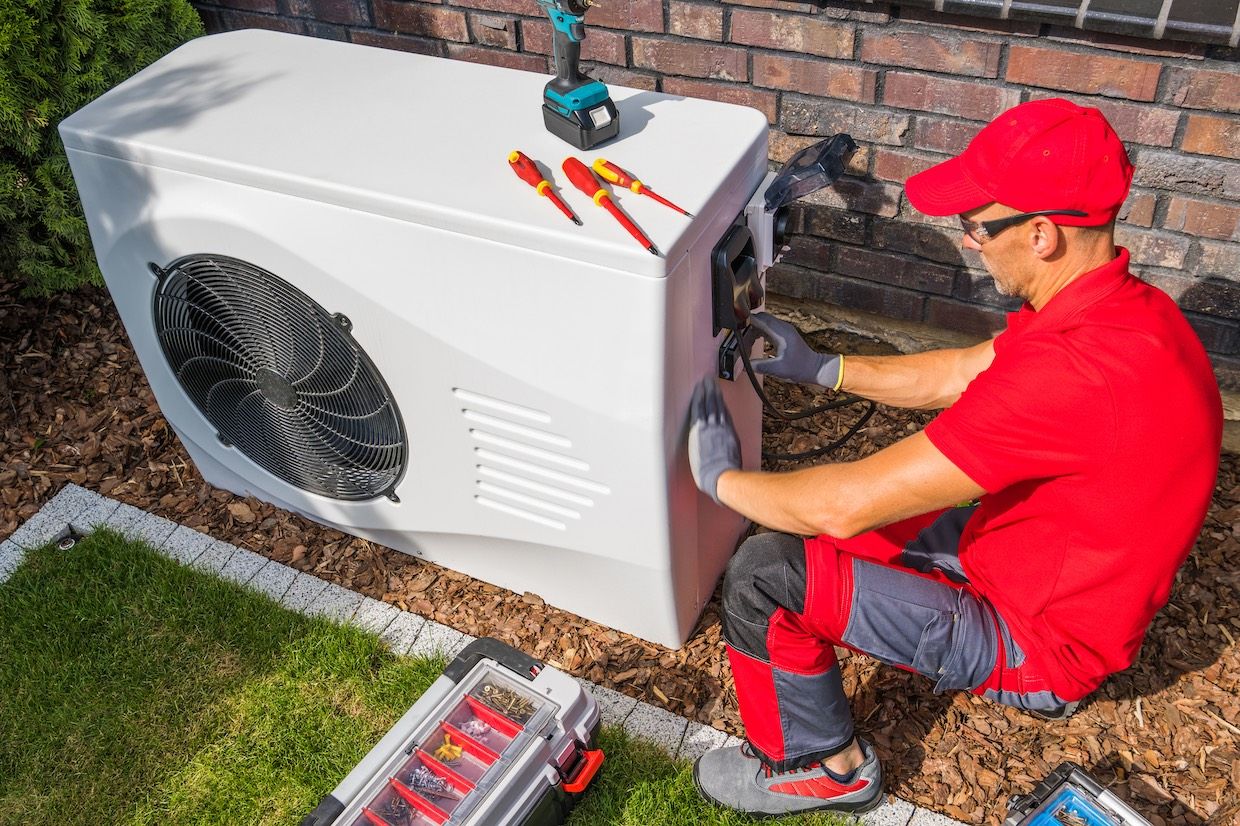
Repairing a faulty motor is often the cheaper choice if the rest of the unit works well.
- Cost : $200–$700 depending on motor type, labor rates, and AC model.
- Good times to repair :
- If the AC is less than 10 years old and still in good shape.
- If the unit is under warranty — repairs might be free or cheaper.
When Replacement Is a Better Choice
Replacing the motor can be a better long-term fix, even though repairs cost less up front.
- Cost : Around $500 for parts and labor, but can range from $60 to $1,200 depending on warranty and quality.
- What affects the cost :
- Type of motor :
- Single-speed : Cheapest but least efficient.
- Two-speed : Good balance of cost and efficiency.
- Variable-speed : Quietest and most efficient, but most expensive.
- Model and specs : Newer, more efficient motors cost more but save energy long-term. Motors with higher horsepower also cost more.
- Labor cost : Skilled HVAC contractors charge more but offer better quality and reliability.
How to Prevent Fan Motor Problems
Some failures can’t be avoided, like manufacturer defects or age. But many can be prevented with good care.
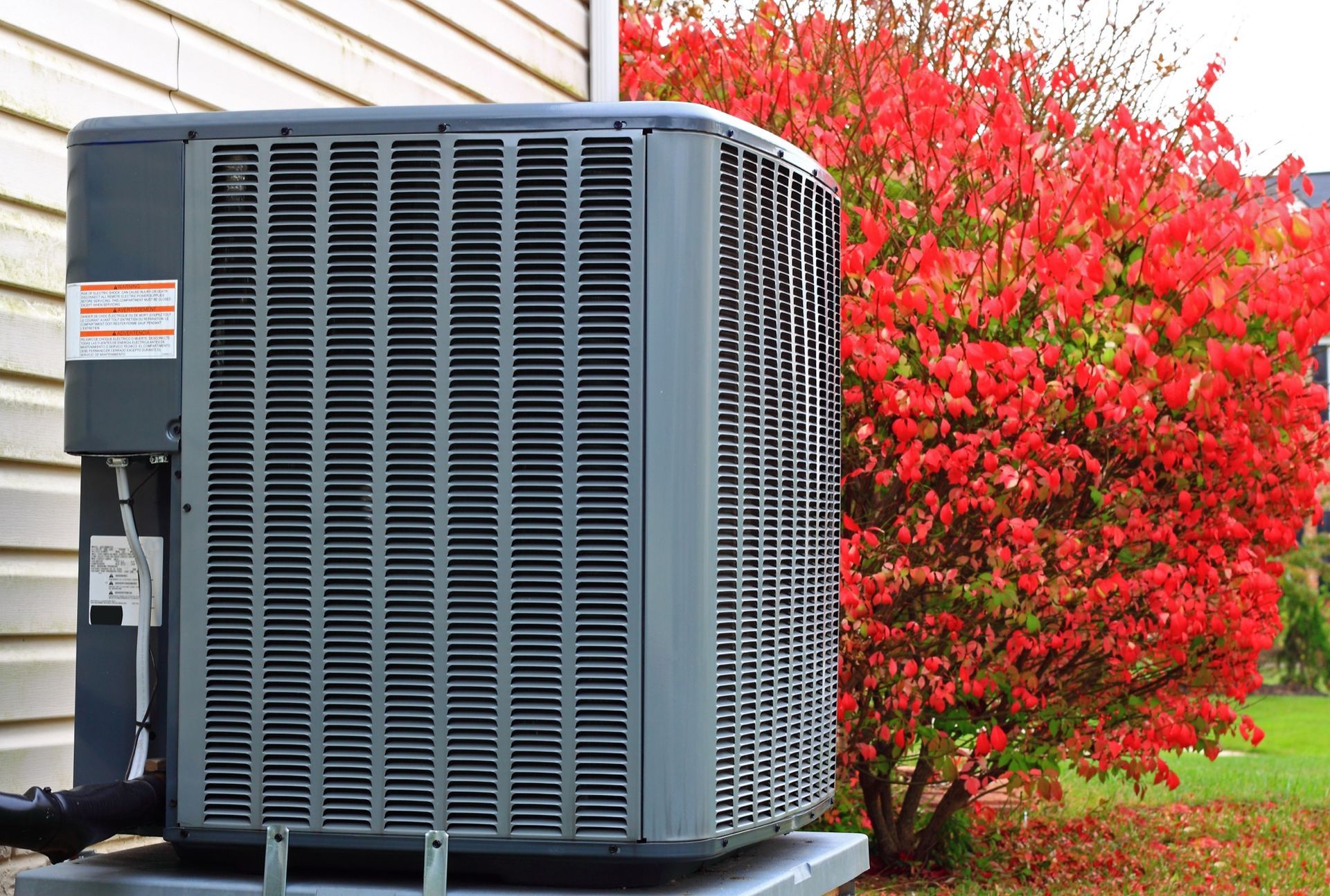
- Keep the outdoor unit clean — Dust and debris clog coils, making the motor work harder.
- Schedule regular maintenance — Helps spot and fix issues early.
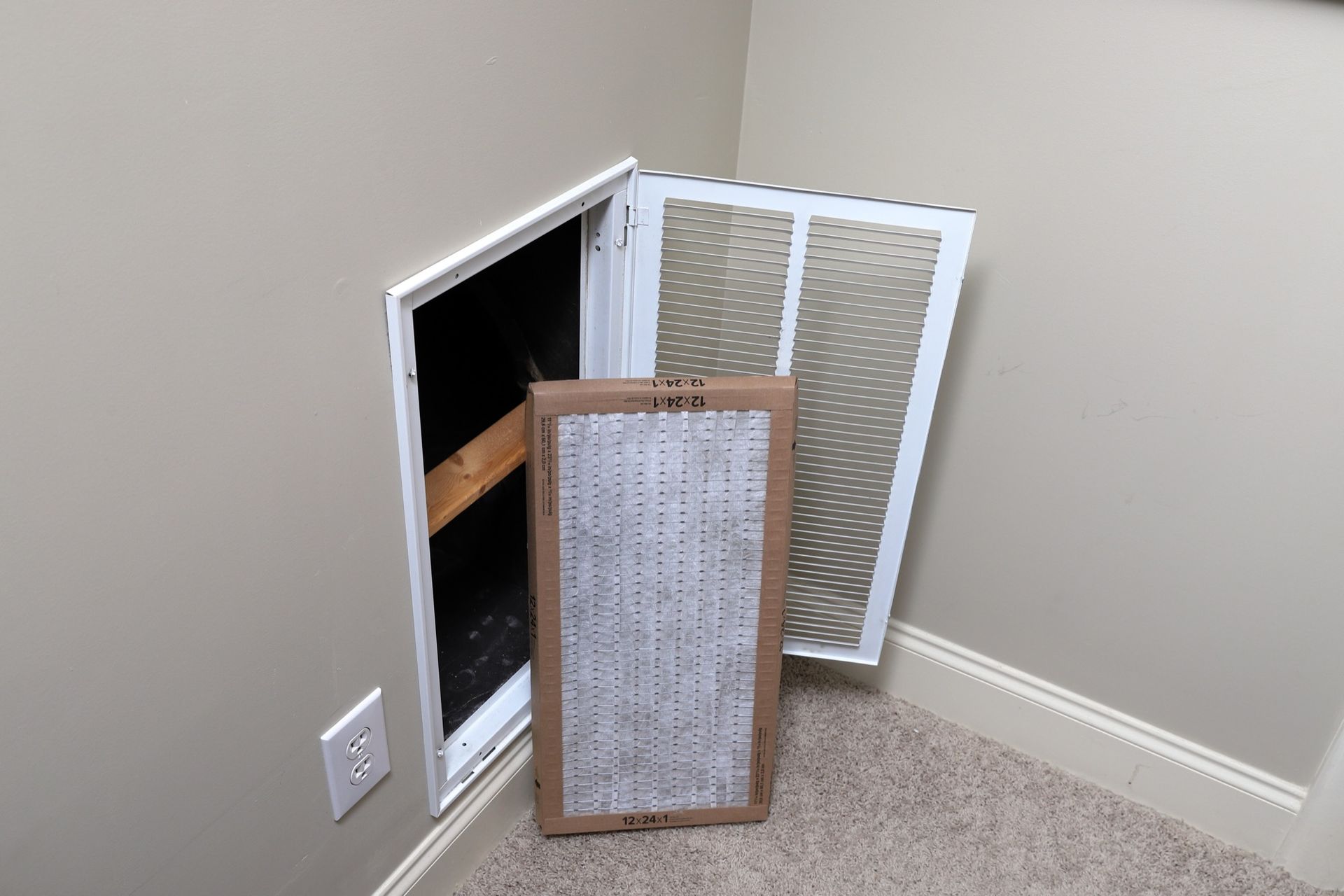
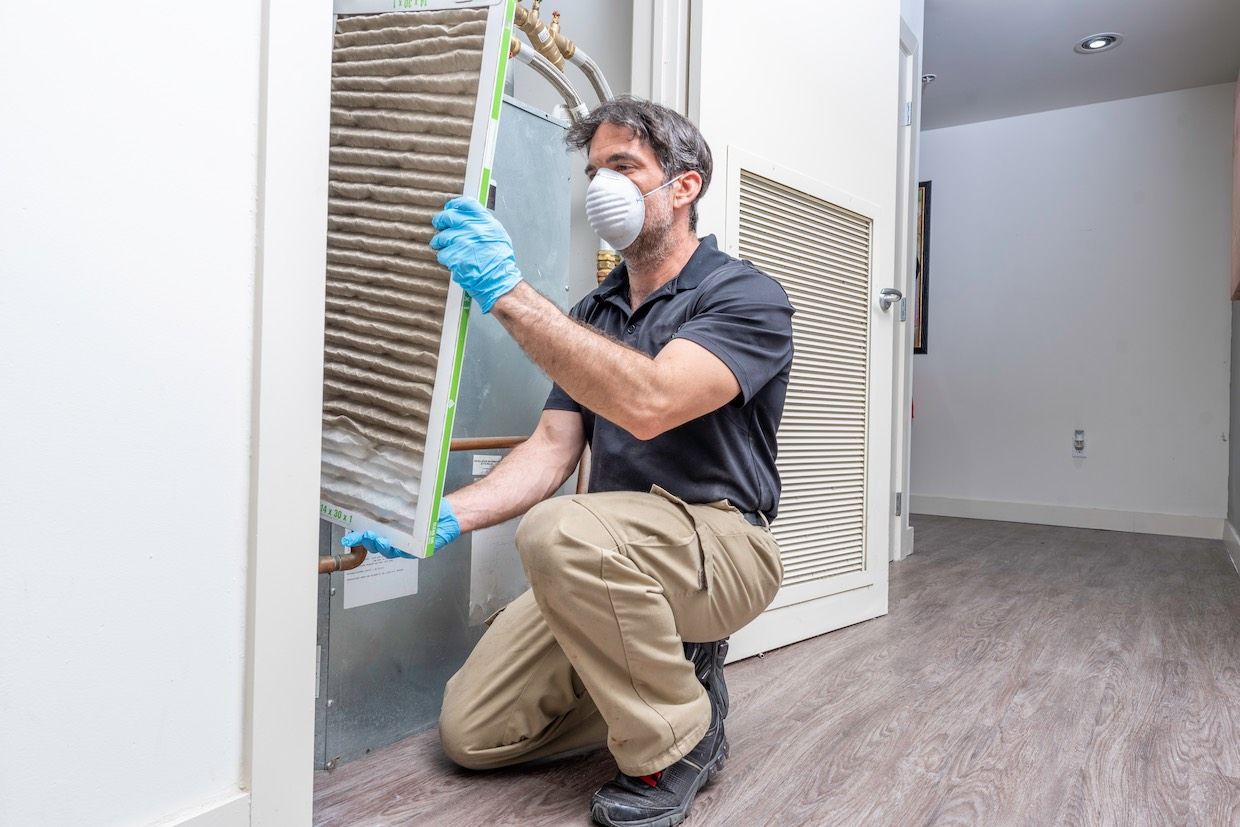
- Change air filters often — Replace every 1–3 months to keep airflow strong.
- Install a surge protector — Protects sensitive parts from power surges.
Conclusion
If your AC fan motor fails, your system won’t cool your home properly. This means less comfort and higher energy bills.
A repair can be a quick and affordable fix, but replacement may be better for long-term reliability. The right choice depends on your AC’s age, repair history, and cost of the job.

FAQs
Is it better to repair or replace an AC unit?
How do you know if an AC motor is beyond repair?
When should the AC fan motor be replaced?
What happens if a fan motor is bad?
What part of an AC is the most expensive to fix?
How to check if an AC fan motor is bad?
When the AC is turned on, the fan doesn’t start, its blades are rotates slowly, and there’s a loud noise when you turn on the fan.
How long should an AC motor last?
The typical life expectancy for an AC motor is 10-15 years.
How much does it cost to replace an AC fan motor?
What are the signs of a bad AC capacitor?
What is the most common AC repair?
Share this Article >
Need help?
Our AC Services