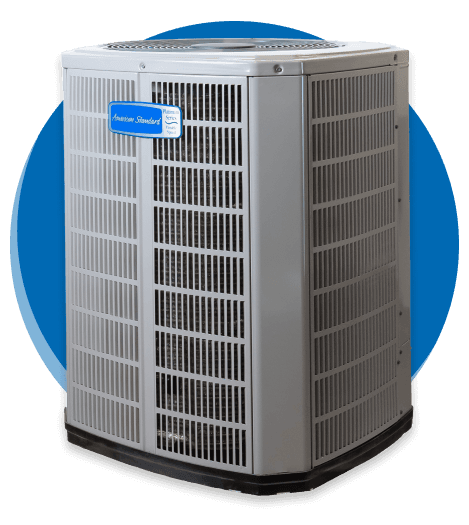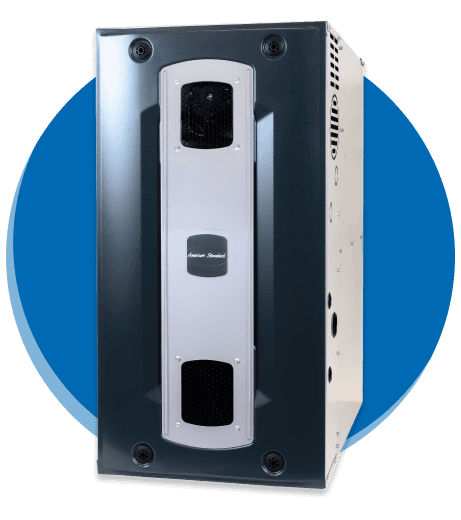

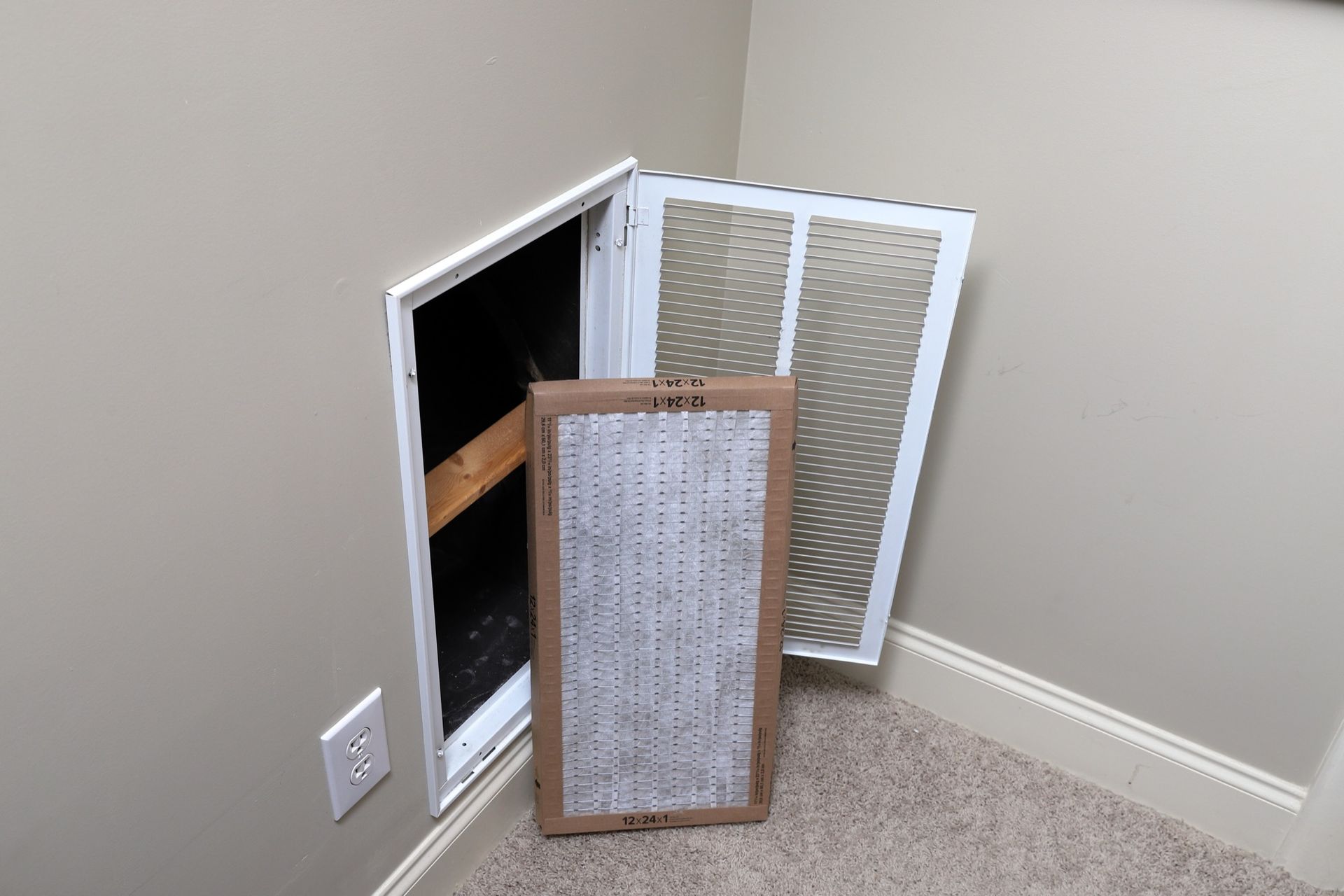
Summer in Wake Forest can put your air conditioning system through a workout. Between long stretches of heat, high humidity, and those afternoons when your AC seems to run nonstop, your system has likely spent the past few months working hard to keep your home comfortable. As we approach the end of summer, it may be tempting to stop thinking about your HVAC system until cooler weather arrives. But late summer is actually a great time to pay attention to how your system is performing. Catching small issues now can help you finish the cooling season comfortably and prepare your HVAC system for the transition into fall. Pay Attention to Longer Cooling Cycles During the hottest days of summer, it's normal for your air conditioner to run more frequently. But as temperatures eventually begin to moderate, your system shouldn't have to work quite as hard. If your AC seems to run constantly or takes much longer than it used to to reach the temperature on your thermostat, something may be affecting its performance. Possible causes can include: A dirty air filter Restricted airflow Dirty indoor or outdoor coils Ductwork leaks Thermostat problems Aging HVAC components A system that has been working hard all summer may begin showing signs of wear toward the end of the season. Having those issues inspected early can help prevent a more inconvenient breakdown. Check Your Air Filter When was the last time you looked at your HVAC filter? After months of heavy summer use, filters can collect plenty of dust, pet hair, pollen, and other airborne particles. A clogged filter restricts airflow and forces your HVAC system to work harder to move conditioned air throughout your home. Check your filter and replace it if it's dirty. How frequently your filter needs to be changed depends on the type of filter, your home, pets, indoor air quality concerns, and how often your system runs. If filters seem to become dirty unusually quickly, it may also be worth asking an HVAC professional whether there are other airflow or indoor air quality concerns in your home. Don't Ignore Uneven Temperatures Does your upstairs stay noticeably warmer than downstairs? Is there one bedroom that never seems to get comfortable? Uneven temperatures can become especially noticeable during a long Wake Forest summer when your HVAC system is operating frequently. While some temperature variation between rooms is normal, significant differences could point to problems with airflow, ductwork, system performance, or HVAC design. Instead of simply lowering the thermostat to compensate, consider having the cause investigated. Turning the temperature down may make other areas colder while increasing your system's workload without actually solving the underlying comfort problem. Listen for New or Unusual Sounds You probably know what your HVAC system normally sounds like. If you've started hearing something different after a busy summer, don't ignore it. Rattling, buzzing, squealing, grinding, or other unusual sounds can sometimes indicate a loose component, electrical issue, motor problem, or another developing concern. The end of summer is a good opportunity to address unusual noises before your HVAC system switches from cooling to heating later in the year. Take a Look at Your Outdoor Unit Your outdoor HVAC equipment has been exposed to summer weather for months. Grass clippings, leaves, weeds, and other debris can collect around the unit and interfere with proper airflow. Take a quick look around your outdoor equipment and make sure the area isn't crowded by vegetation or debris. You don't need to take the equipment apart or attempt to clean internal components yourself. If the coils are especially dirty or you notice damage, it's better to have the equipment professionally inspected. Watch for Water Around Your Indoor HVAC Equipment Your air conditioner removes moisture from the air as it cools your home, which means the condensate drainage system has also been busy during North Carolina's humid summer. Water pooling near your indoor HVAC equipment shouldn't be ignored. A clogged condensate drain, damaged drain pan, or other drainage problem can potentially lead to water damage and additional HVAC issues. If you notice unexpected moisture around your system, have it checked rather than waiting to see if it goes away. Think Ahead to Heating Season It may still feel like summer outside, but cooler mornings and evenings will eventually arrive. The first chilly night of the season isn't the ideal time to discover that your furnace or heat pump needs attention. Late summer and early fall give homeowners an opportunity to think ahead. Scheduling seasonal HVAC maintenance before colder weather arrives allows a technician to inspect your heating equipment and identify potential issues before you depend on it every day. It can also make the transition between cooling and heating seasons much easier. Is Your HVAC System Showing Its Age? After a demanding summer, an older HVAC system may start giving you clues that it's approaching the end of its useful life. Frequent repairs, rising energy bills, inconsistent temperatures, excessive noise, and difficulty keeping your home comfortable can all be reasons to have your system evaluated. That doesn't automatically mean you need a replacement. A professional HVAC technician can inspect your equipment and help determine whether a repair, maintenance, or replacement makes the most sense for your home and budget. Planning ahead also gives you more time to evaluate your options instead of making a rushed decision after an unexpected breakdown. Finish Summer Strong with Casey Services Your air conditioner has worked hard through another hot Wake Forest summer. Giving your HVAC system a little attention now can help you catch potential problems, maintain your home's comfort, and prepare for the cooler months ahead. At Casey Services, we've been helping homeowners throughout Wake Forest and the surrounding communities with dependable heating and cooling solutions for decades. Whether your system needs maintenance, repair, or you're simply concerned about how it's performing after a long summer, our experienced team can help. Schedule HVAC service with Casey Services today and make sure your home is ready for the change of seasons.
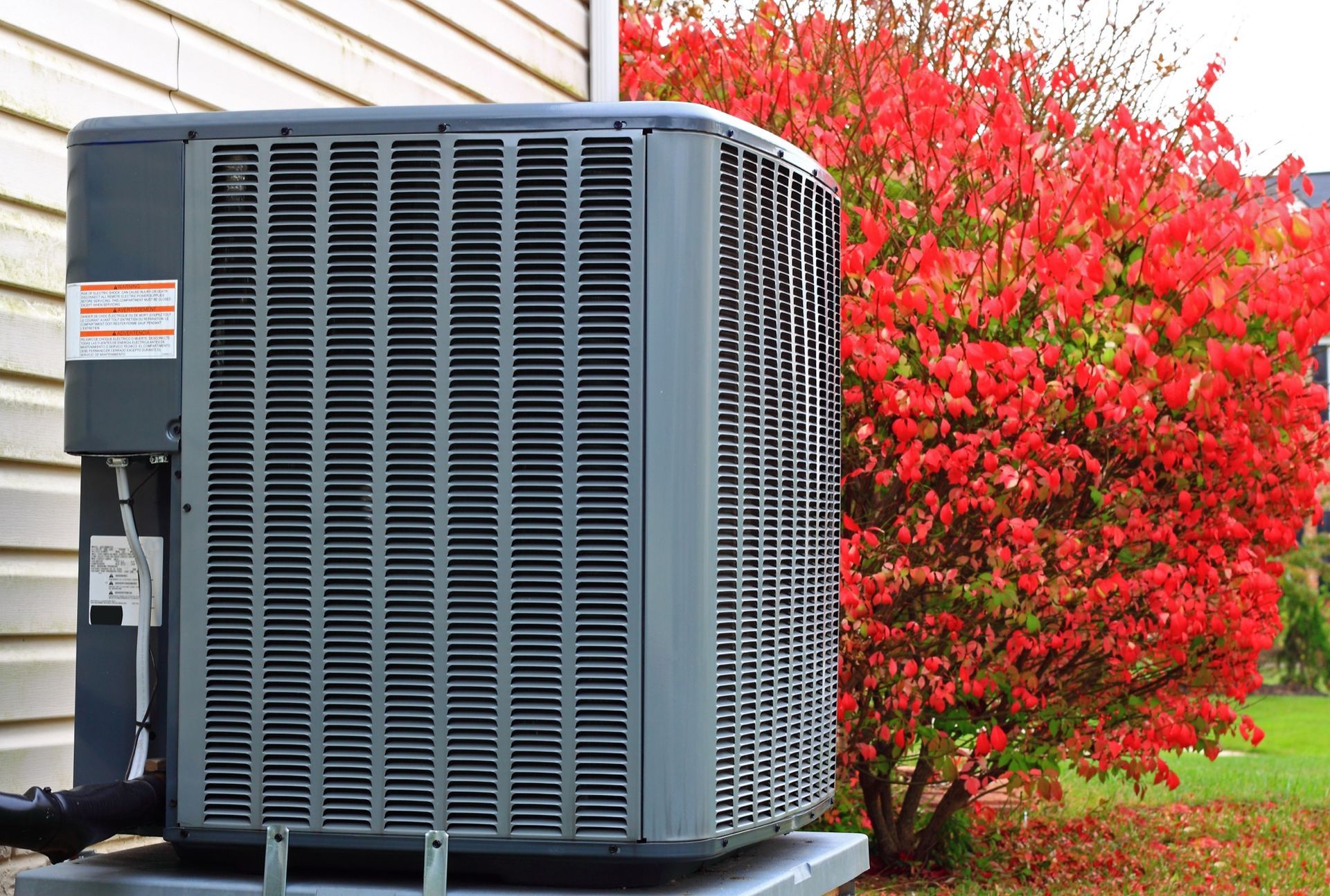
If it feels like your air conditioner has been running nonstop lately, you're not imagining it. Late July is typically one of the hottest and most humid times of the year in Wake Forest, and extended periods of high temperatures can push even a well-maintained HVAC system to its limits. While it's normal for your AC to run longer during extreme heat, there are times when continuous operation can signal a problem that needs professional attention. It's Normal for Your AC to Run Longer in Extreme Heat Your air conditioner is designed to maintain your desired indoor temperature, not instantly cool your home. When outdoor temperatures climb into the 90s with high humidity, your system has to work much harder to remove both heat and moisture from the air. During a North Carolina heat wave, it's common for an air conditioner to run for extended periods during the afternoon and early evening. As long as your home stays reasonably comfortable and the system eventually cycles off when temperatures begin to cool, longer run times aren't necessarily a cause for concern. Signs Your System May Need Attention If your AC is running constantly but your home still feels warm or uncomfortable, there may be an underlying issue. Watch for these warning signs: The thermostat never reaches the set temperature. Certain rooms are noticeably warmer than others. Airflow from your vents feels weak. Your energy bills suddenly increase without a change in usage. You hear unusual noises such as grinding, buzzing, or rattling. The system seems to run continuously, even after the outdoor temperature drops. These symptoms often point to problems that can worsen if left unaddressed. Common Reasons Your AC Can't Keep Up Several issues can prevent your air conditioner from cooling efficiently during peak summer weather. Dirty Air Filters A clogged air filter restricts airflow, forcing your system to work harder while delivering less cool air throughout your home. During the cooling season, filters should be checked monthly and replaced as needed. Dirty Outdoor Condenser Coil Your outdoor unit releases heat collected from inside your home. If grass clippings, dirt, leaves, or debris cover the condenser coil, heat can't escape efficiently, reducing your system's cooling capacity. Low Refrigerant If refrigerant levels are low, your air conditioner won't absorb heat properly. This isn't something that naturally happens with age—it usually indicates a leak that should be repaired by a qualified HVAC technician. Aging Equipment As systems get older, they often lose efficiency. If your air conditioner is 10 to 15 years old and struggles every summer despite regular maintenance, it may be time to discuss replacement options. Simple Ways to Help Your AC During Hot Weather You can reduce the workload on your system by making a few simple adjustments around your home: Keep blinds and curtains closed during the hottest part of the day. Avoid using the oven during the afternoon whenever possible. Keep doors and windows closed while the AC is running. Replace dirty air filters regularly. Keep at least two feet of clearance around your outdoor unit. Use ceiling fans to help circulate cool air. These small steps can improve comfort while reducing unnecessary strain on your HVAC system. Don't Wait for a Breakdown When your air conditioner runs nonstop day after day, it's easy to assume that's just part of summer. Sometimes it is—but if your home never feels comfortable or your utility bills keep climbing, your system may be telling you it needs attention. At Casey Services, we've helped Wake Forest homeowners stay comfortable since 1970 with honest recommendations, professional repairs, and dependable maintenance. Whether your system needs a simple tune-up or you're considering replacing an older unit, our experienced team is here to help. If your AC can't keep up with the North Carolina heat, contact Casey Services today to schedule an inspection and enjoy reliable comfort for the rest of the summer.
As temperatures rise across Wake Forest and the surrounding areas, many homeowners start noticing something frustrating inside their homes — it feels sticky and humid even though the air conditioner is running. If your home never quite feels comfortable during a North Carolina summer, your HVAC system may be cooling the air without properly removing humidity. And while temperature matters, indoor humidity plays a huge role in how comfortable your home actually feels. Why Humidity Matters More Than You Think Your air conditioner does more than cool your home. It also helps remove moisture from the air. When humidity levels climb too high indoors, you may notice: Rooms feeling clammy or muggy Uneven comfort throughout the house Musty odors Increased allergy symptoms Condensation around vents or windows Higher energy bills Even if your thermostat says 72 degrees, high humidity can make your home feel much warmer and far less comfortable. What Causes Indoor Humidity Problems? There are several reasons your HVAC system may struggle to control humidity during the summer months. Your AC System May Be Oversized Many homeowners assume bigger is better when it comes to air conditioning, but an oversized system can actually create humidity issues. If your AC cools the home too quickly, it shuts off before completing a full cooling cycle. That means it does not run long enough to properly remove moisture from the air. The result? A cool house that still feels damp and uncomfortable. Dirty Coils or Poor Maintenance When your system is dirty or not properly maintained, airflow and performance suffer. Reduced airflow can limit your system’s ability to dehumidify your home effectively. Regular HVAC maintenance helps keep your system operating efficiently during the hottest and most humid months of the year. Air Leaks Around Your Home Warm outdoor air can sneak into your home through gaps around doors, windows, attic spaces, or ductwork. As that humid air enters your home, your HVAC system has to work harder to maintain comfort. In many cases, humidity issues are a combination of HVAC performance and air leakage. Your System Is Aging Older HVAC systems often struggle to maintain consistent indoor comfort, especially during North Carolina summers when heat and humidity levels stay high for extended periods. If your system constantly runs but your home still feels uncomfortable, it may be time to evaluate whether your equipment is still meeting your home’s needs efficiently. What Is the Ideal Indoor Humidity Level? Most homeowners feel the most comfortable when indoor humidity stays between 40% and 50%. Higher humidity levels can make your home feel warmer than it actually is, forcing you to lower the thermostat and increasing energy costs. Proper humidity control can help your home feel cooler without constantly adjusting the temperature. How Casey Services Can Help At Casey Services, we help homeowners throughout Wake Forest and the surrounding areas improve comfort, efficiency, and indoor air quality all summer long. Whether your system needs maintenance, airflow adjustments, repairs, or a full evaluation, our team can help identify what is causing your home to feel humid and uncomfortable. If your air conditioner is running but your home still feels sticky, it may be time to have your system inspected before the hottest part of summer arrives. Contact Casey Services today to schedule your HVAC service and keep your home cool, comfortable, and humidity-free this summer.
Spring in Wake Forest brings warmer temperatures, blooming trees, and one thing every North Carolina homeowner knows well — pollen season. That yellow-green layer covering cars, porches, and sidewalks is more than just an annoyance. Spring pollen can also affect your HVAC system, indoor air quality, and overall home comfort in ways many homeowners don’t realize. If your allergies seem worse indoors or your HVAC system is working harder this time of year, pollen buildup could be playing a major role. How Spring Pollen Gets Into Your Home Even with doors and windows closed, pollen still finds ways inside your home. Every time doors open, pets come in from outside, or air circulates through your HVAC system, pollen particles can enter and spread throughout the house. Once inside, your HVAC system becomes the first line of defense. Your air filter is designed to capture airborne particles like pollen, dust, and debris before they continue circulating through your home. But during peak spring pollen season in North Carolina, filters can become clogged much faster than usual. What Happens When Your Air Filter Gets Clogged A dirty or overloaded air filter restricts airflow throughout your HVAC system. When airflow is reduced, your system has to work harder to maintain comfortable temperatures. That extra strain can lead to: Reduced cooling efficiency Higher energy bills Uneven temperatures throughout the home Poor indoor air quality Increased wear and tear on HVAC components More dust and allergens circulating indoors Many homeowners assume allergy symptoms are only caused by outdoor exposure, but poor HVAC airflow and dirty filters can make indoor conditions even worse. Why Indoor Air Quality Matters During Pollen Season Spring allergies are especially common across Wake Forest and the surrounding areas because of the heavy tree pollen that arrives each year. If your HVAC system is not properly maintained, pollen particles can continue circulating through your home long after you come inside. Signs your indoor air quality may be suffering include: Increased sneezing or allergy symptoms indoors Dust buildup around vents Stale or stuffy air More frequent headaches or congestion Excess dust throughout the home Routine HVAC maintenance and proper filtration can make a noticeable difference in indoor comfort during allergy season. How Often Should You Change Your Air Filter in Spring? During peak pollen season, many homeowners need to replace their air filters more frequently than they do during winter. While every home is different, spring is a good time to check your filter monthly — especially if you: Have pets Live near heavy tree coverage Keep windows open often Have family members with allergies or asthma Notice excess dust indoors A clean air filter helps your HVAC system operate more efficiently while improving indoor airflow and reducing airborne allergens. Don’t Ignore Reduced Airflow If certain rooms feel stuffy, airflow seems weaker than usual, or your system runs longer throughout the day, pollen buildup may be contributing to the problem. In some cases, clogged filters can even lead to frozen evaporator coils or unnecessary strain on the blower motor. Addressing airflow issues early can help prevent larger HVAC problems as temperatures continue rising heading into summer. Simple Ways to Protect Your HVAC System This Spring There are several easy ways homeowners can help reduce pollen-related HVAC issues: Replace air filters regularly Schedule seasonal HVAC maintenance Keep windows closed during high pollen days Vacuum and dust frequently indoors Clean around vents and return air grilles Consider upgraded filtration or indoor air quality solutions Preventive maintenance is especially important this time of year because your system is preparing for the heavier cooling demands of summer. Prepare Your HVAC System Before Summer Arrives North Carolina pollen season does more than trigger allergies — it can also impact your HVAC system’s efficiency, airflow, and performance. At Casey Services, we help Wake Forest homeowners stay comfortable year-round with professional HVAC maintenance, repairs, and indoor air quality solutions. If your home feels dusty, stuffy, or your system seems to be working overtime this spring, now is the perfect time to schedule an HVAC inspection before summer heat arrives.

Did you know that many of the energy-efficient tax credits passed in 2022 are now expiring? Were you able to take advantage of these credits? If not, there is still time left, as the Mitsubishi HVAC tax credit is available through the end of 2025. In this article, we’ll cover the fundamentals of the Mitsubishi tax credit, including how you can maximize the tax credit and important information about the upcoming expiration date.

Are you looking for ways to lower the cost of upgrading your HVAC? Countless homeowners put off HVAC upgrades because the costs quickly add up. However, there are incentives in place to help you lower the cost of upgrading, one of which is the Mitsubishi HVAC credit.
In this article, we’ll talk about the Mitsubishi HVAC credit, including the type of HVAC upgrades that qualify, how to claim the credit, and ways this credit makes your upgrade more affordable.

The U.S. has banned the production and import of Freon (R-22), so while you can still use your current Freon-based AC, repairs are costly and often impractical due to limited supply and certified technicians. Since new units no longer support R-22, the most cost-effective long-term solution is to replace your system with a modern, eco-friendly alternative.

If your AC is not cooling your space as efficiently as before or running longer than normal to keep your home cool, you may have a low Freon issue.

Delaying AC repairs might seem harmless at first, but it can quickly lead to higher costs, less comfort, and even safety risks. For homeowners in North Carolina, especially during the hot summer, a dependable air conditioner isn’t just a comfort — it’s a must-have.
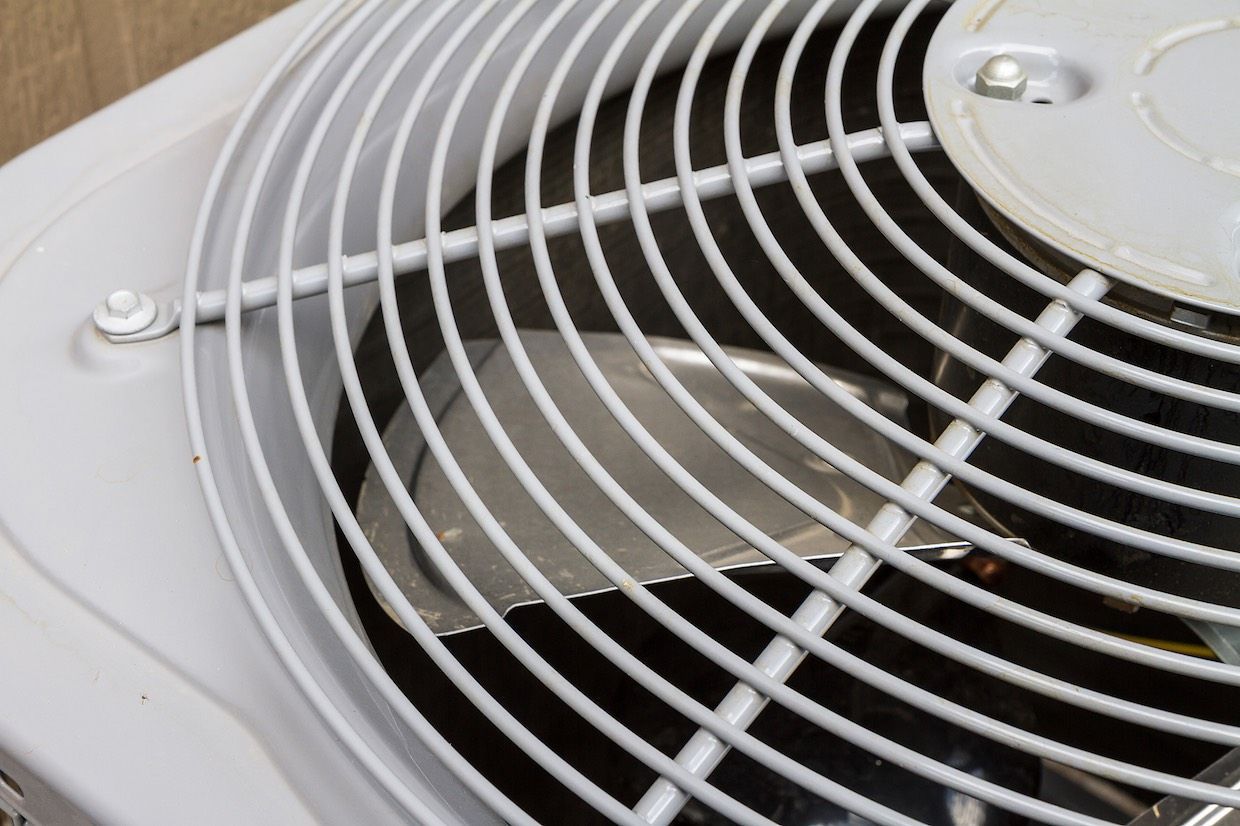
One of the most common reasons your air conditioner (AC) suddenly stops cooling is a broken fan motor. This important part moves air over the condenser coil, helping to keep your home cool during summer.