
Freon Phase-Out: Time to Replace Your AC?
Share this Article >
Introduction
EPA’s ban on R-22, a type of refrigerant, is already in full effect. What does this mean for homeowners and their air conditioners? The first thing Wake Forest homeowners have to understand is that the ban only affects the production of new Freon-based refrigerants. If your air conditioner is more than 10 years old, then you fall into this bracket, and this blog is for you.
This blog details everything you need to know about the Freon phase-out, reasons, its impact on your air conditioning, and whether or not to replace your system.

What Is Freon and Why Is It Being Phased Out
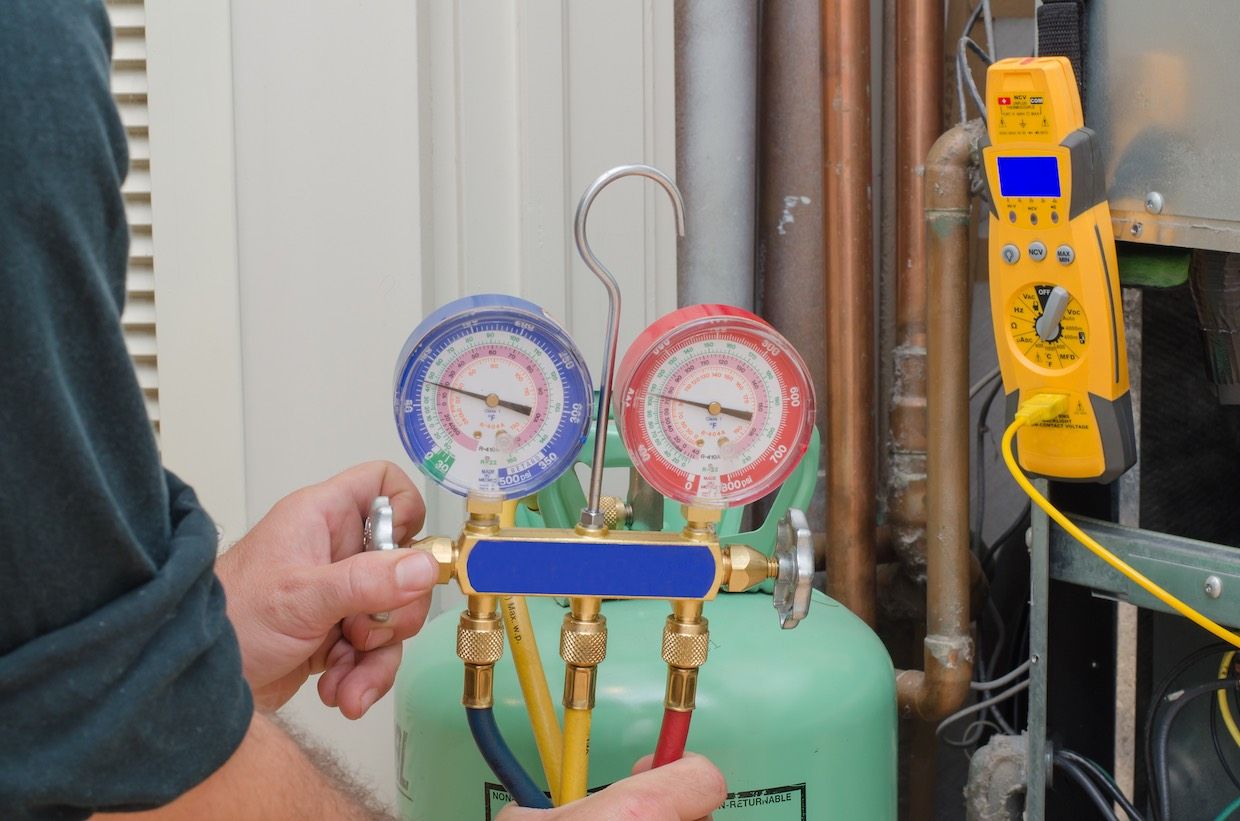
Freon is a type of refrigerant known as a hydrochlorofluorocarbon (HCFC) or R-22. This chemical was widely used in residential and commercial air conditioning systems for decades. It absorbs heat from indoor air and releases it outside, making your home cooler and more comfortable in the summer.
However, Freon has been discovered to have a negative environmental impact, which has prompted its phase-out. According to the Environmental Protection Agency (EPA), this chemical compound damages the ozone layer, which protects us from harmful ultraviolet (UV) rays.

The Impact of the Freon Ban on Homeowners
People can continue using Freon-based air conditioners as the EPA does not require them to replace their existing systems. However, with the ban on R-22 now in place, some of the pressures you can expect, especially if you have an older system, include
Rising Repair Costs
Since no new Freon is being made, the limited supply has driven up the costs of any refrigerant repair or recharge. Depending on your location and its availability, the price of a Freon recharge can go up from a few hundred dollars to more than a thousand.
Additionally, some AC repair companies may no longer offer R-22 service. So, if your system develops a leak or cooling issue, you may not have the option to repair it. And if the option exists, it may not be worth the cost.
High Maintenance Costs
The most important thing a homeowner can do is ensure that their air conditioner is in perfect condition. Preventive maintenance minimizes potential AC problems and prolongs the lifespan of your unit.
Potential System Replacement
Difficulty Finding Technicians
Due to the Freon phase-out, fewer HVAC technicians are willing to work with R-22 air conditioners. This makes it harder for homeowners to find qualified technicians for repairs and maintenance.
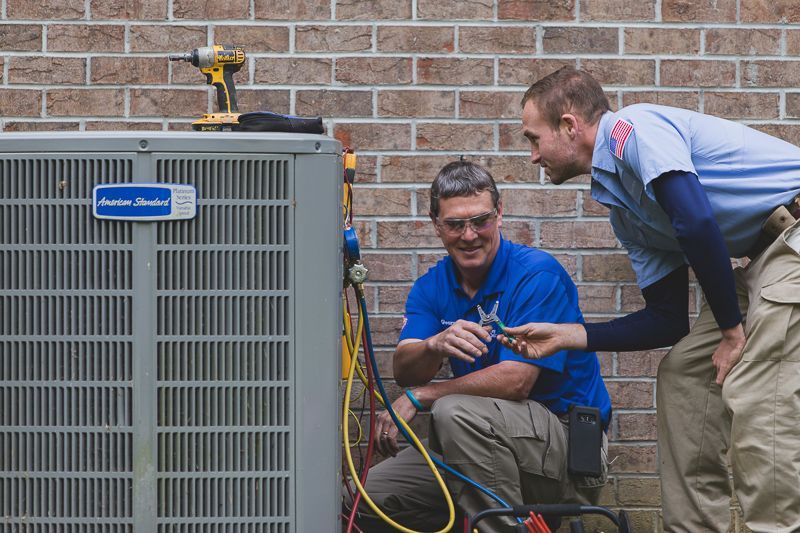
Additionally, EPA regulations require any technician handling R-22 equipment to have the EPA Section 608 certification. This certification is needed to service equipment containing Freon (R-22). Because of the complexity and scarcity of this service, you may need to pay very high prices for regular AC system servicing.
How to Know If Your AC Uses Freon
As earlier mentioned, new air conditioners are built to run on more eco-friendly refrigerants, so the Freon ban only affects older AC units.
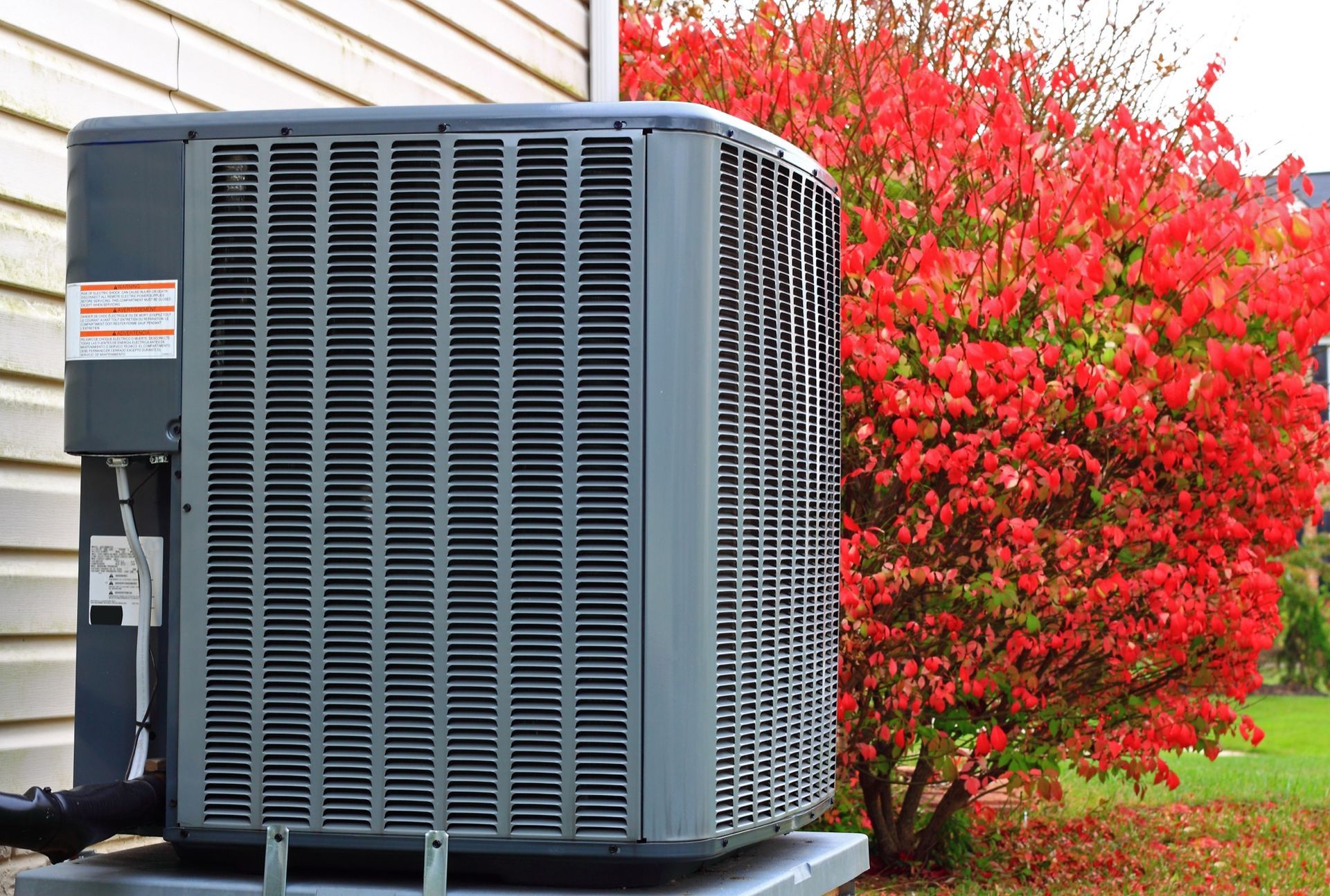
To determine if your system uses Freon, check the manufacturer’s label on your outdoor condenser unit. Look for a line that says R-22 or HCFC-22. If you see this, then your air conditioner uses Freon.
As a general rule, if your air conditioning system was manufactured before 2010, it likely uses R-22.
If you are unsure of the age of your system or can’t locate the manufacturer’s label, a licensed HVAC contractor can confirm your refrigerant type during a routine inspection.
Benefits of Replacing Your Freon-based AC
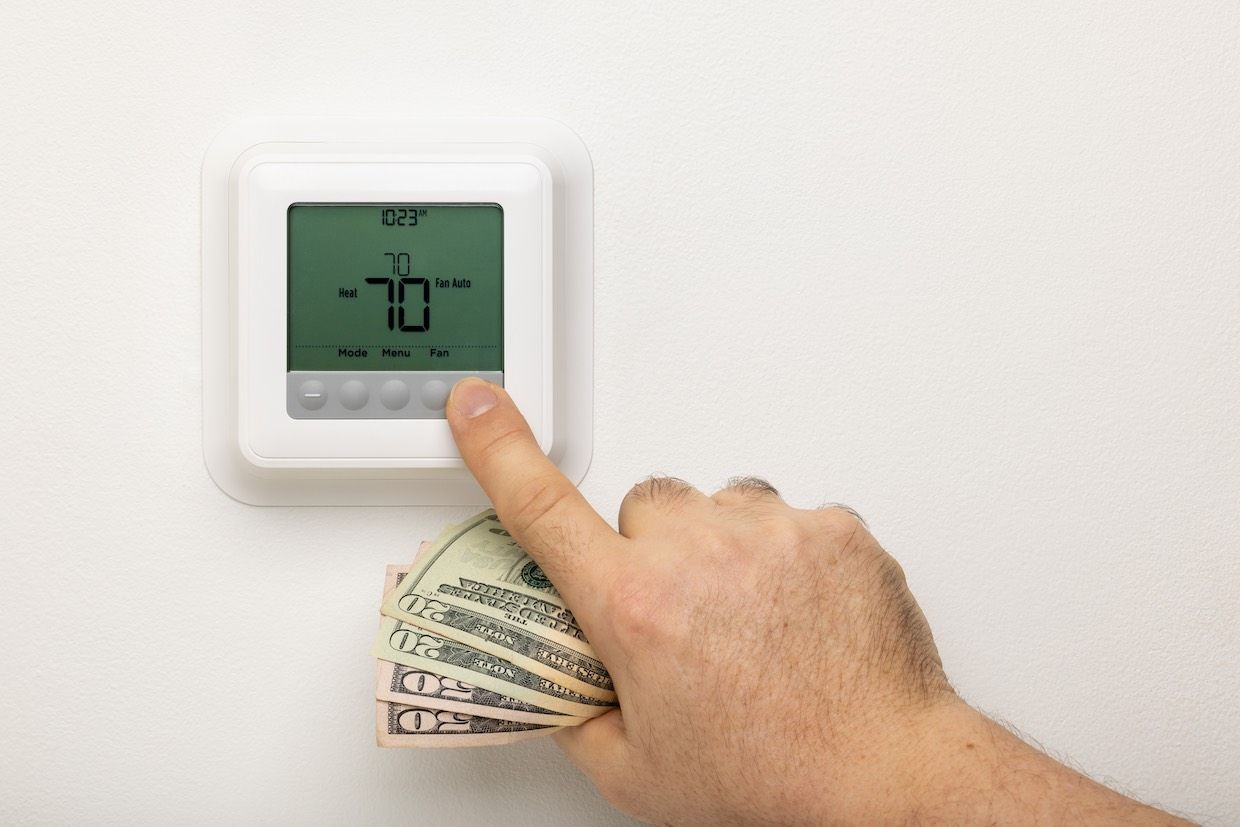
Upgrading your air conditioning system is not just about staying compliant with environmental regulations. It is also about improving comfort, efficiency, and the value of your home. With Wake Forest having a reputation for long, hot summers and high humidity, you’re better served with a modern and more efficient cooling unit.
1. Lower Repair and Maintenance Costs
2. Improved Energy Efficiency
Modern air conditioners are designed to meet higher energy efficiency standards. Most Freon-based air conditioners are manufactured using obsolete technology and are already past or nearing the end of their lifespan.
AC units lose their efficiency and cooling performance as they age, leading to frequent repairs, maintenance, and high energy bills. Investing in a new model not only improves cooling efficiency but also helps reduce operational bills.
3. Better Cooling Performance
While Freon (R-22) has good cooling qualities, it is not as effective as improved and modern refrigerants like R-32. Replacing your unit gives you a reliable buffer against North Carolina’s summer heat.
4. Reliability
5. Increased Home Value
A modern and energy-efficient HVAC system is a strong selling point if you intend to put your home on the market. Potential buyers and long-term renters are more likely to pay well for a house with updated HVAC systems that won’t need immediate replacements.
When to Consider Replacing Your AC
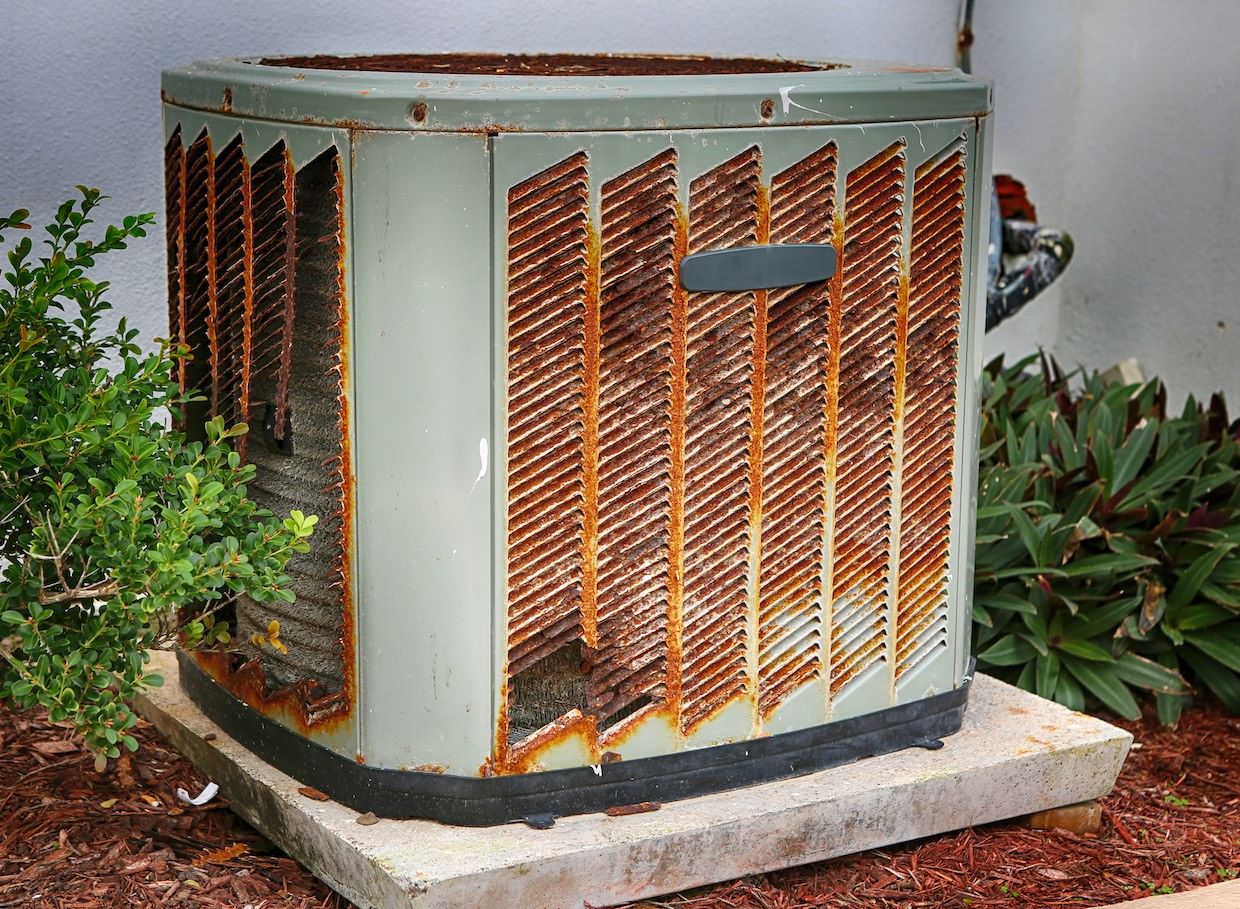
If your air conditioner still uses Freon (R-22), you’re likely wondering whether it is better to repair or replace the unit. For many homeowners in Raleigh, Wake Forest, and the broader North Carolina area, replacing your AC might be the most cost-effective long-term solution. Here are a few considerations to help you guide your decision:
- Age of the System: According to ENERGY STAR, if your cooling system is over 10 years old, it is nearing the end of its lifespan, and you should consider changing it. If yours still uses Freon, that is an additional incentive to change it instead of accumulating high repair costs.
- Cost and Availability: Freon is no longer produced or imported into the U.S. The limited supply has increased the price of all refrigerant repairs and recharges. This makes even small maintenance expensive.
- Environmental Sustainability: If you are still using R-22 in your cooling systems, you’re not only putting money in a sinkhole, but also endangering the environment. According to the Montreal Protocol, this chemical compound is one of the substances that depletes the ozone layer and makes us vulnerable to dangerous UV rays.
- Energy Efficiency and Savings: Newer AC units have high SEER ratings. This means they offer better performance and consume less energy compared to older units. Investing in them can help reduce energy bills and improve comfort.
Conclusion
Navigating the Freon phase-out can be overwhelming, but it is nothing that the right support and information can’t solve. While Freon is banned in the U.S, you can continue using your Freon-based air conditioner as the EPA does not require homeowners to replace their units.
However, since R-22 can no longer be imported or produced in the country, manufacturers have stopped producing units that can use the refrigerant. So if you need to upgrade your system, you may have no choice but to get a more eco-friendly model.
Additionally, should your system develop a refrigerant problem, the issue may be too expensive or even impossible to solve. This is due to EPA regulations requiring technicians to have specific certifications to handle R-22 systems, the scarcity of capable technicians, and the availability of the chemical compound itself.
Finally, if you find yourself faced with the decision of either replacing or repairing your Freon-based air conditioner, the long-term and cost-effective solution is to replace it. If you need assistance with modern, cost-effective, and eco-friendly alternatives, give us a call.

FAQs
When to replace Freon?
How long do AC systems last with Freon?
How many years before replacing the AC?
When was Freon phased out?
How do I tell if my AC needs more Freon?
Does AC need Freon every year?
What happens when the AC runs out of Freon?
How much does Freon cost for an AC unit?
Air conditioner Freon refill costs $180 to $600 for older AC units using Freon.
How do I know when to replace my air conditioner?
What is used now instead of Freon?
Share this Article >
Need help?
Our AC Services