
Tips to Avoid Expensive HVAC Repairs (Made Easy!)
When the hot summer hits in Raleigh, your air conditioner is super important. But just like a car, your AC can stop working if it’s not taken care of. Fixing it can cost a lot of money!
The good news? You can stop most big problems before they start by doing simple things to take care of your system. At Casey Services HVAC, we’ve seen how little tasks can save people from big headaches.
Even something small, like a dirty filter or a leaky air duct, can turn into a big problem if ignored. In this article, we’ll show you easy tips to keep your AC working and save you money all year long.
Tip #1: Change Your Air Filters Often
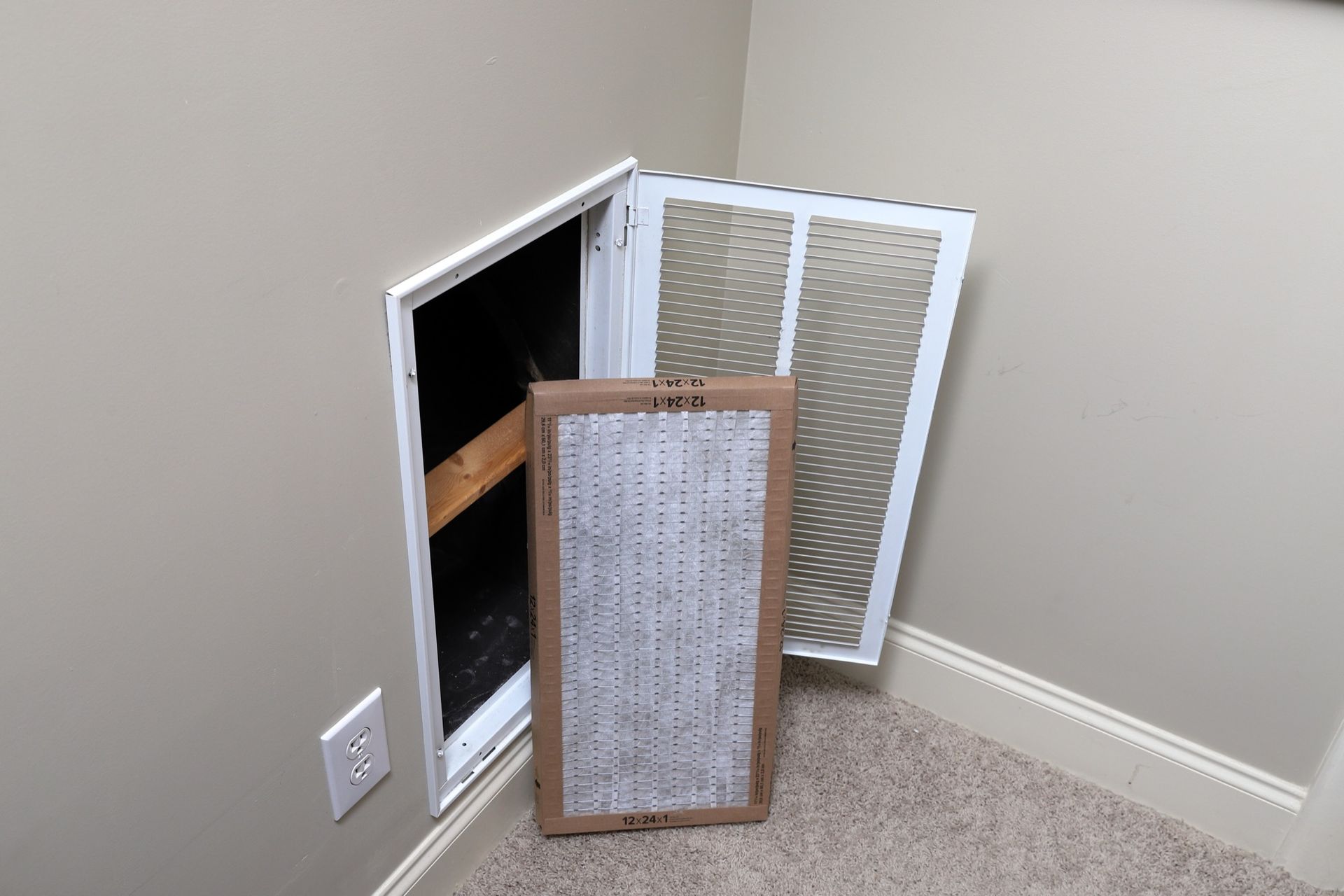
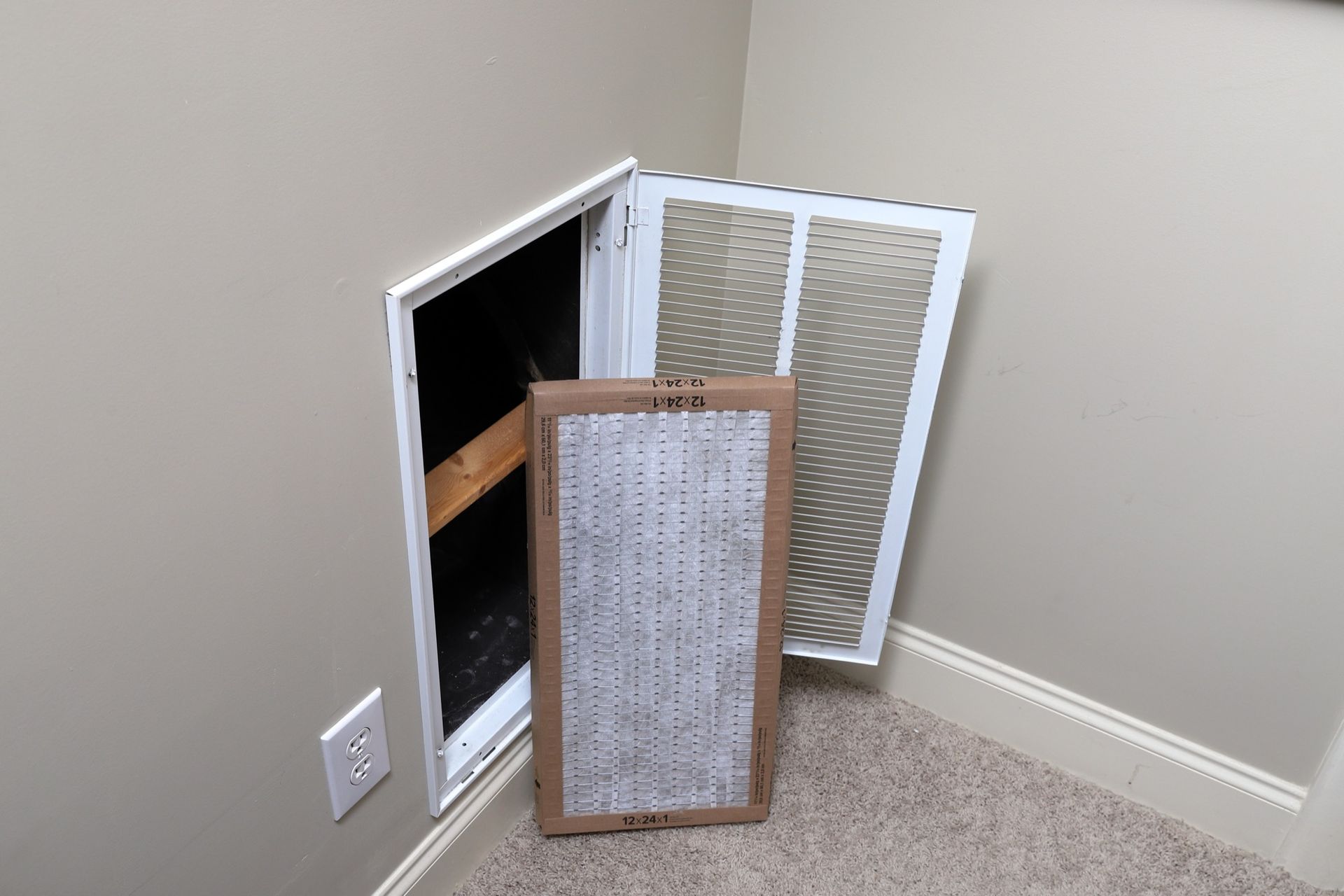
One easy way to avoid big AC repairs is to change the air filter. A dirty filter blocks air, making your system work too hard. That can cause it to overheat or even break.
You should change your air filter every 1–3 months. How often depends on how much you use the system, how clean your home is, and if you have pets.
Watch for these signs that your filter needs changing:
- More dust in the house
- Bad smells when the AC is on
- Weak airflow or hot and cold spots
- Higher energy bills
Tip #2: Keep the Outside AC Unit Clean
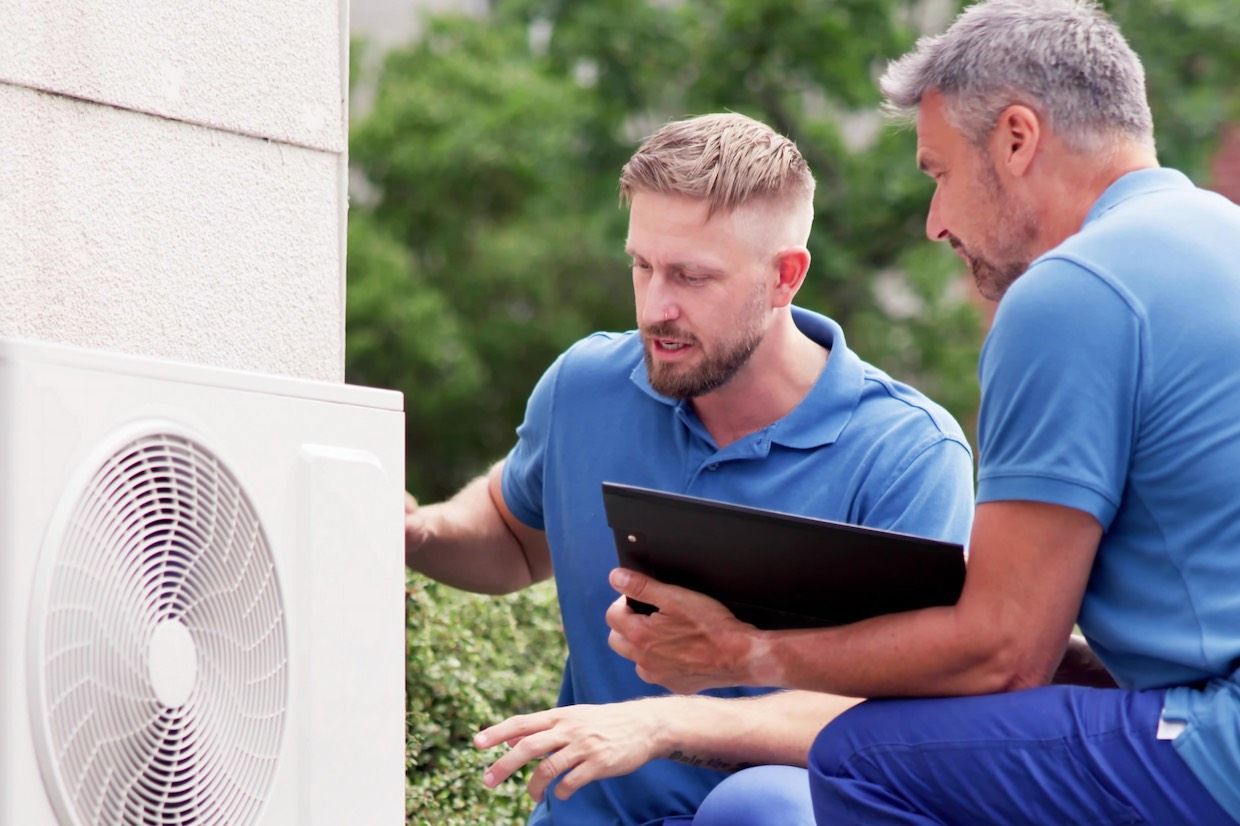
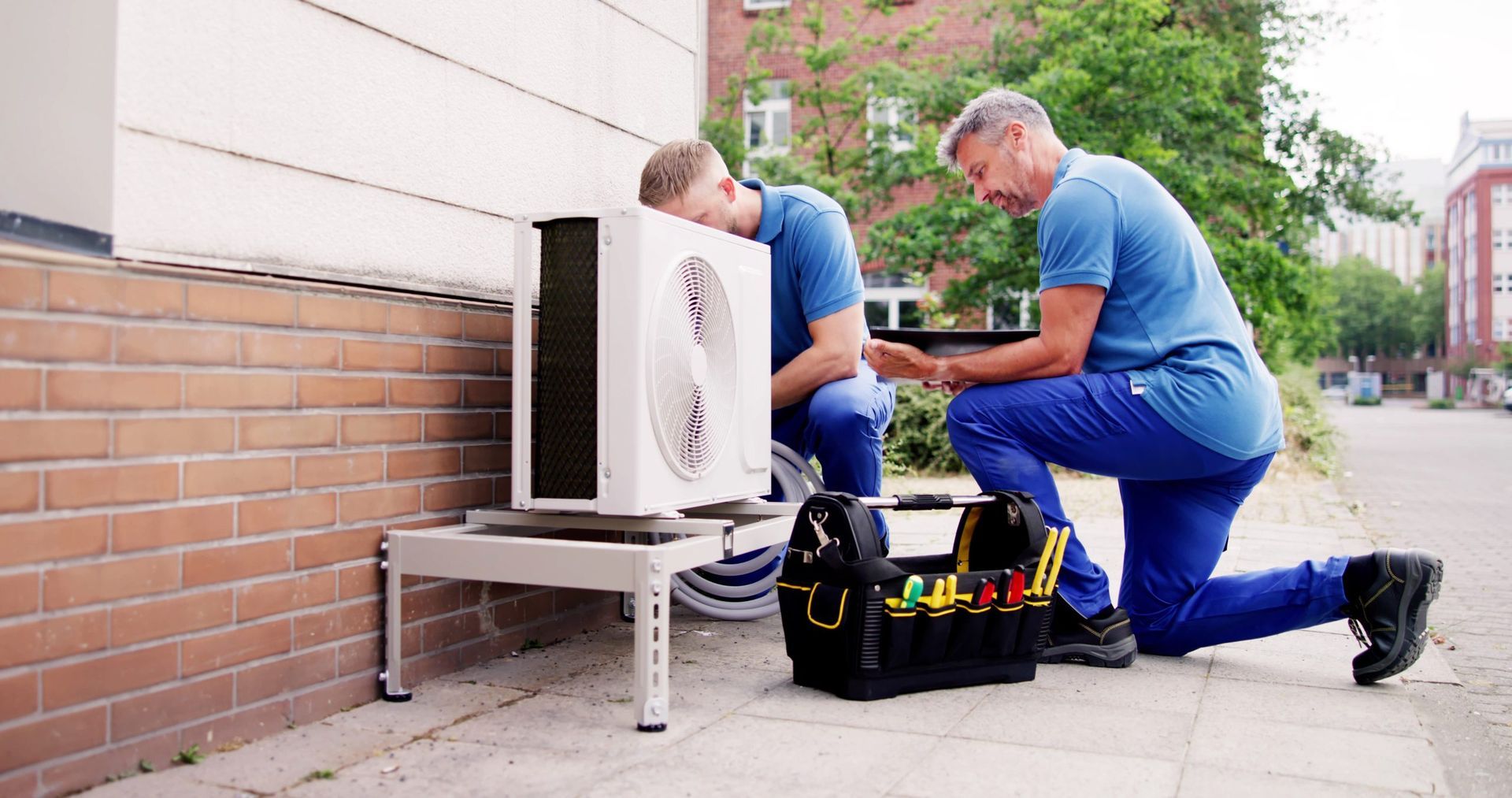
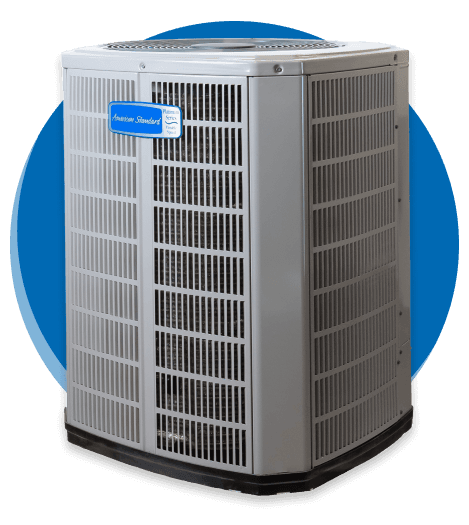
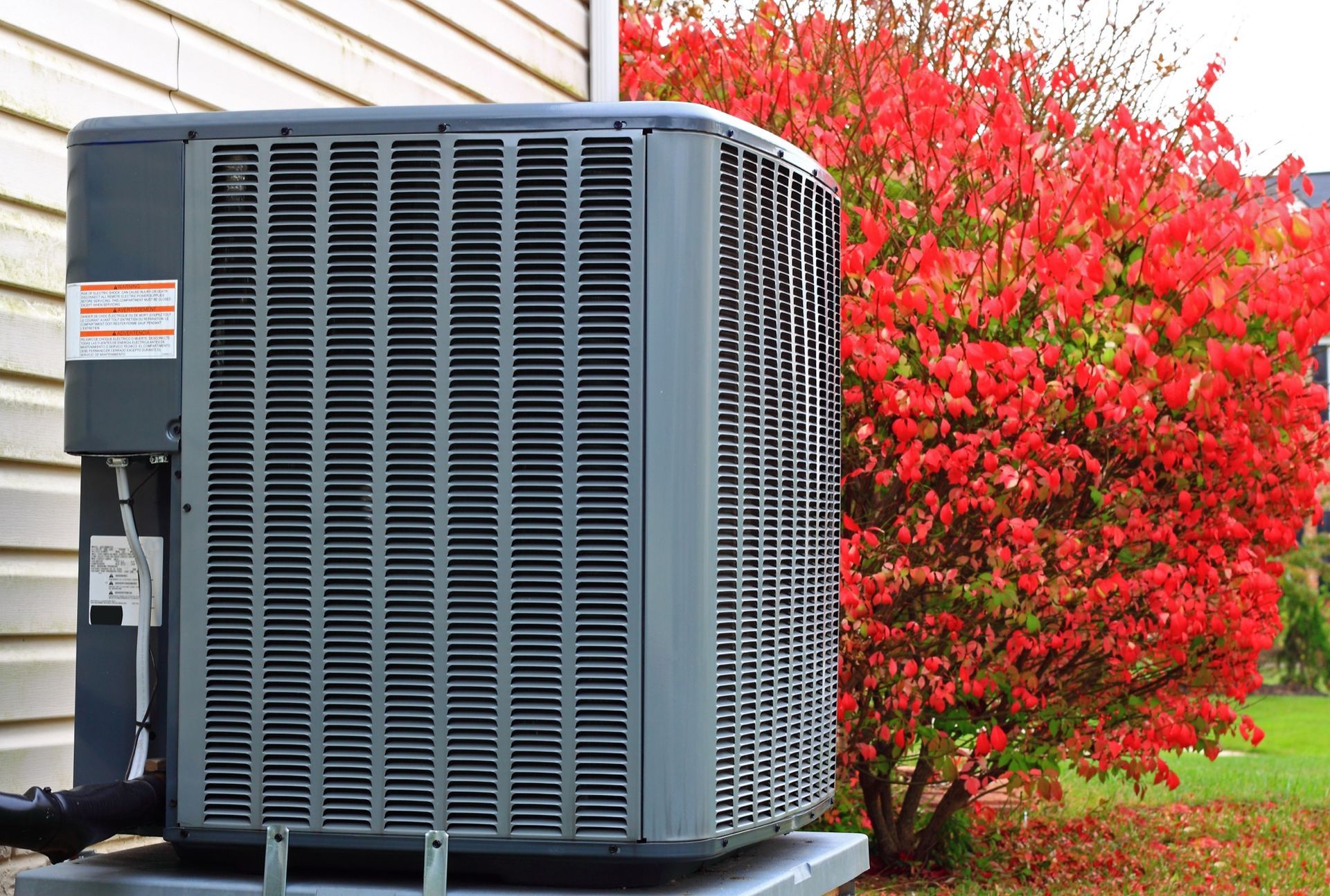
Your AC has a big box outside (called the condenser unit) that lets heat out of your home. If it’s covered with leaves, grass, or dirt, it can’t do its job well. This can make the AC overheat.
When this part gets too hot, it can break the compressor —which is one of the most expensive parts to fix or replace!
The Air Conditioning Contractors of America (ACCA) says keeping it clean helps your AC last longer.
How to keep it clean:
- Keep at least 2 feet of space around it
- Trim weeds and bushes
- Wash it gently with a garden hose (not a pressure washer!)
- Look for bugs or bird nests
Tip #3: Use a Smart or Programmable Thermostat
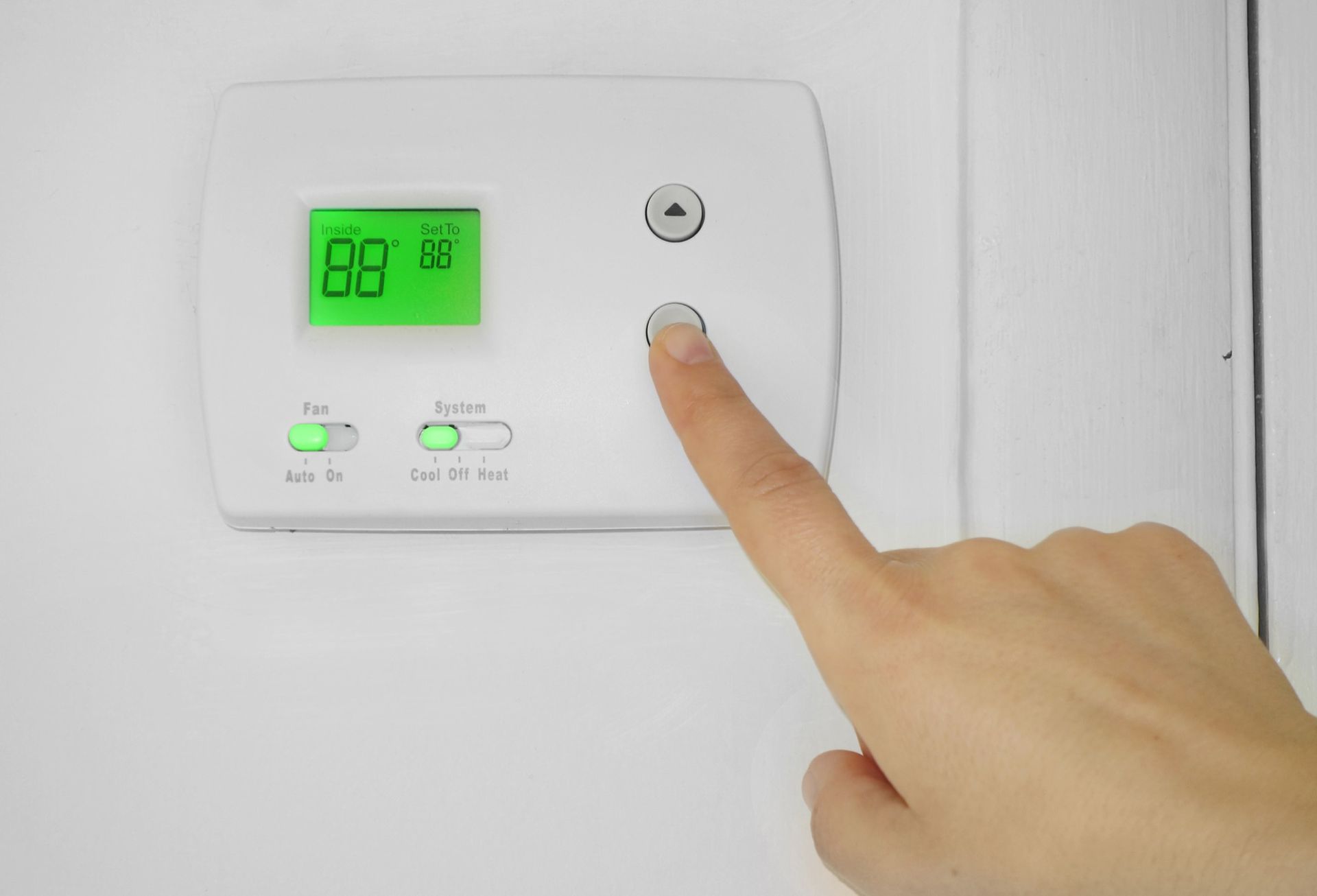
Smart thermostats help your AC by setting the temperature automatically. That way, it doesn’t run too much or too little.
They also help stop problems like short cycling (turning on and off too much), which can lead to broken motors, and compressor problems.
Cool features of smart thermostats:
- Show energy use and suggest ways to save
- Let you control the temperature from your phone
- Work with smart home systems
- Remind you when to change the air filter
Tip #4: Seal Air Leaks in Your Home
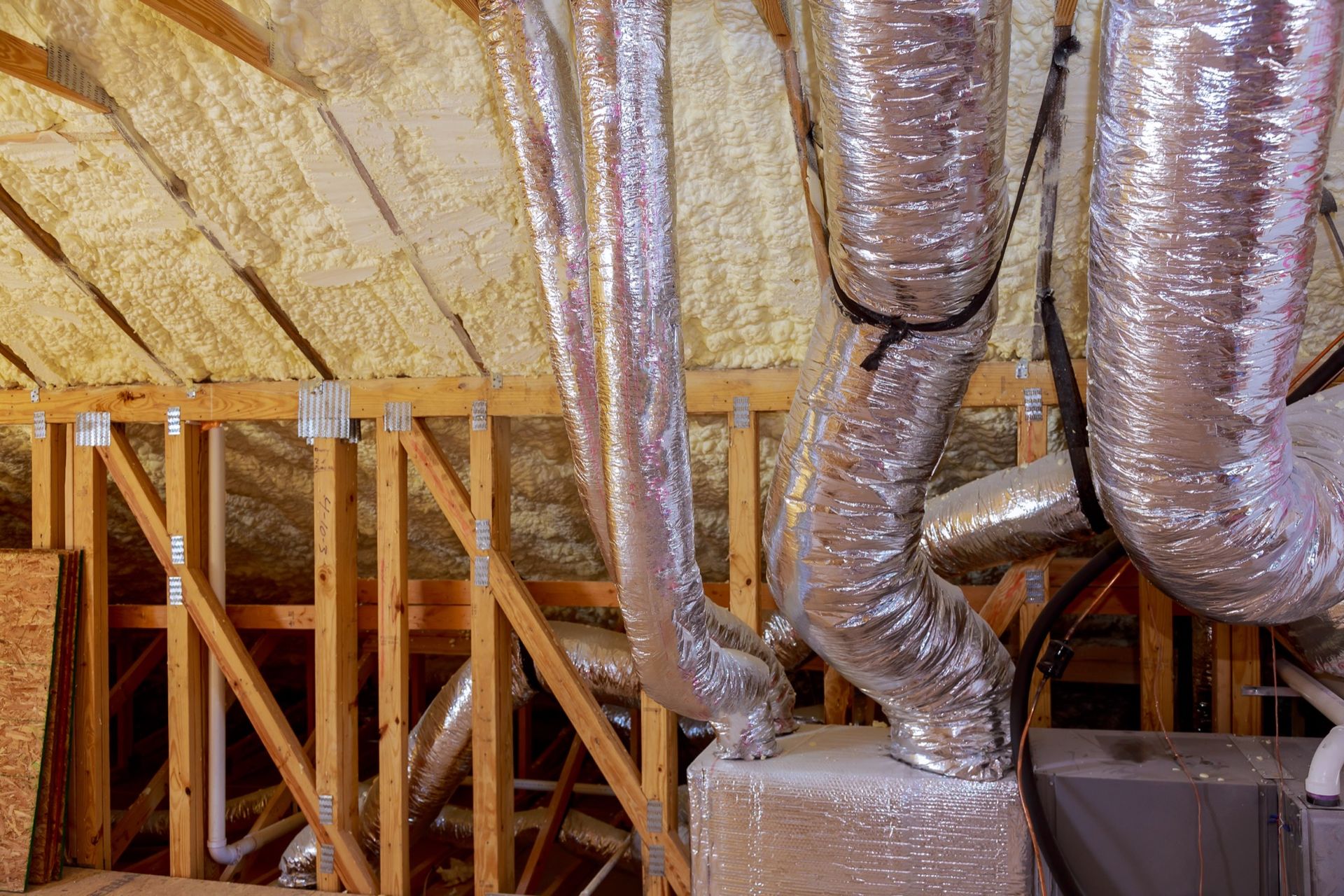
Air leaks happen when cold air escapes through cracks in your house. This makes your AC work harder and can wear it out fast.
The U.S. Department of Energy (DOE) says these leaks can waste up to 30% of heating and cooling energy!
Check for leaks:
- Around windows and doors
- Attic doors and baseboards
- Light switches and outlets
- Air vents and ducts
Tip #5: Don’t Ignore Warning Signs
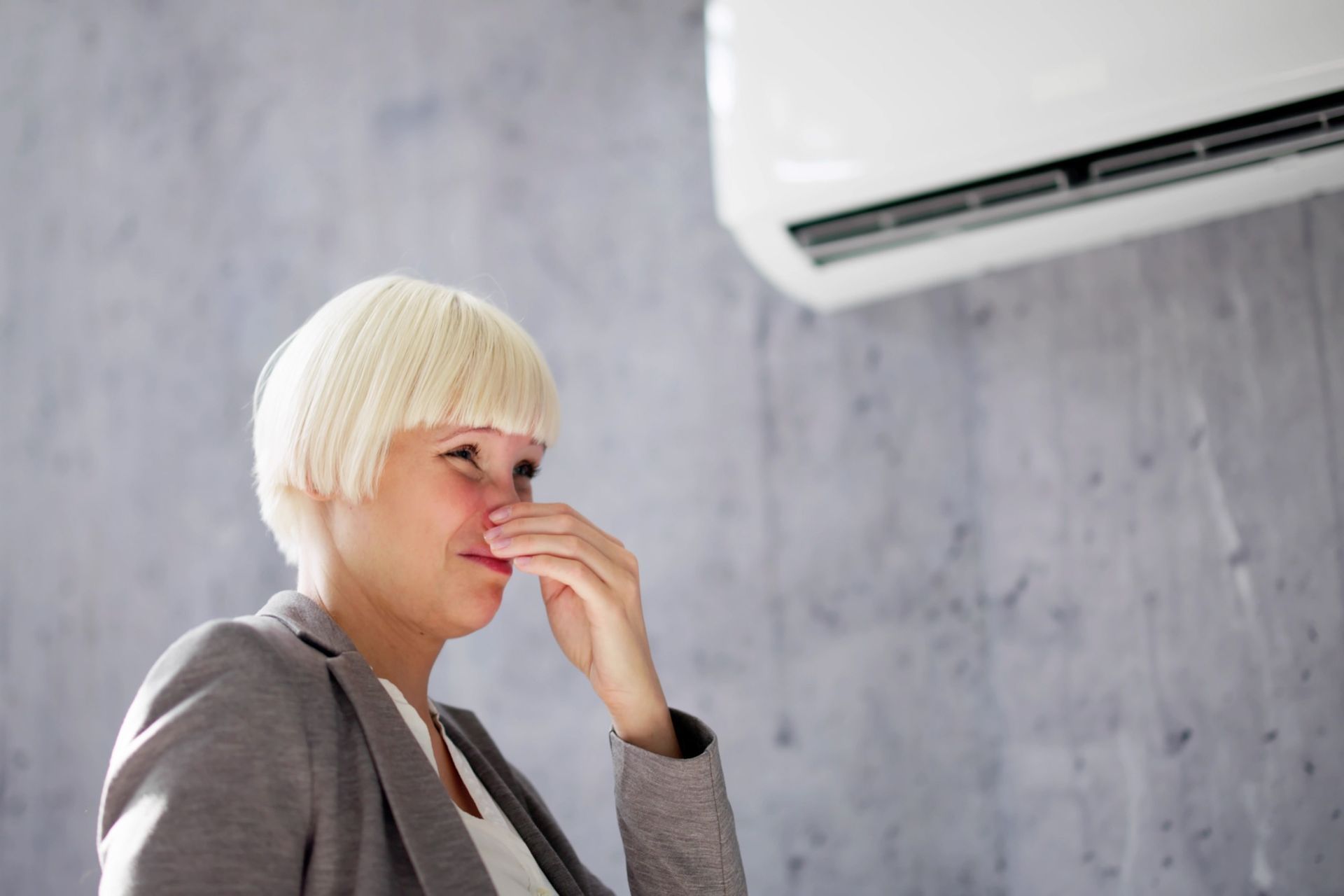
Small problems become big ones if you don’t fix them early. Pay attention to strange sounds or smells coming from your AC.
Warning signs:
- Loud noises like rattling or squealing
- Weird smells (like burning or mold)
- Rooms not cooling evenly
- AC turning on and off too often
Fixing things early can stop big breakdowns and save money.
Tip #6: Get Your AC Checked Regularly
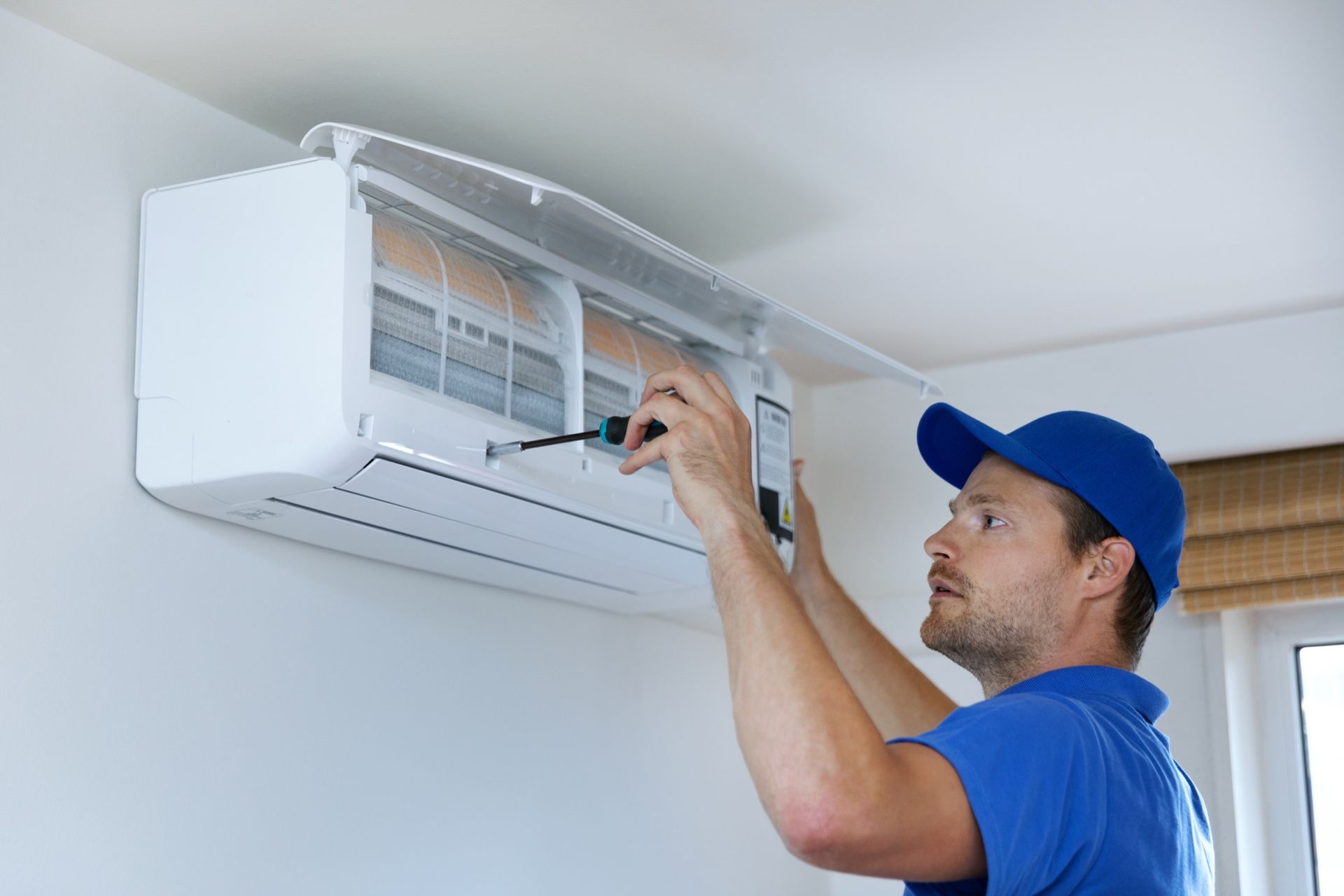
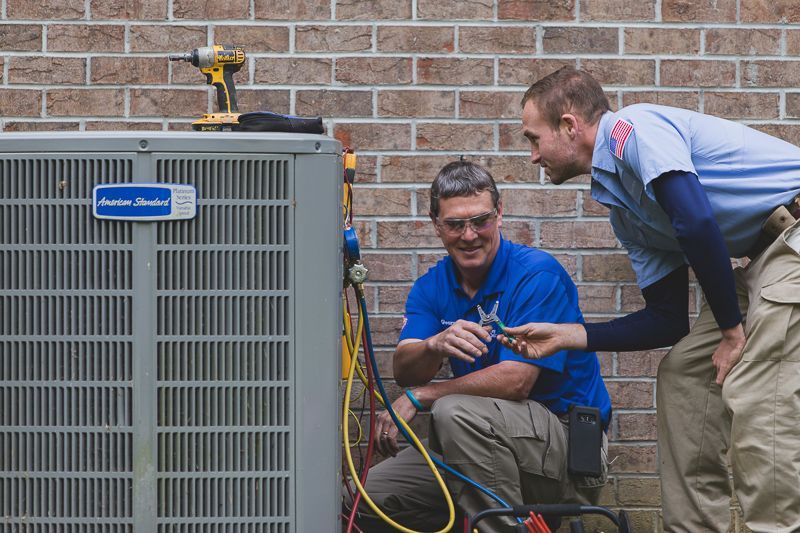
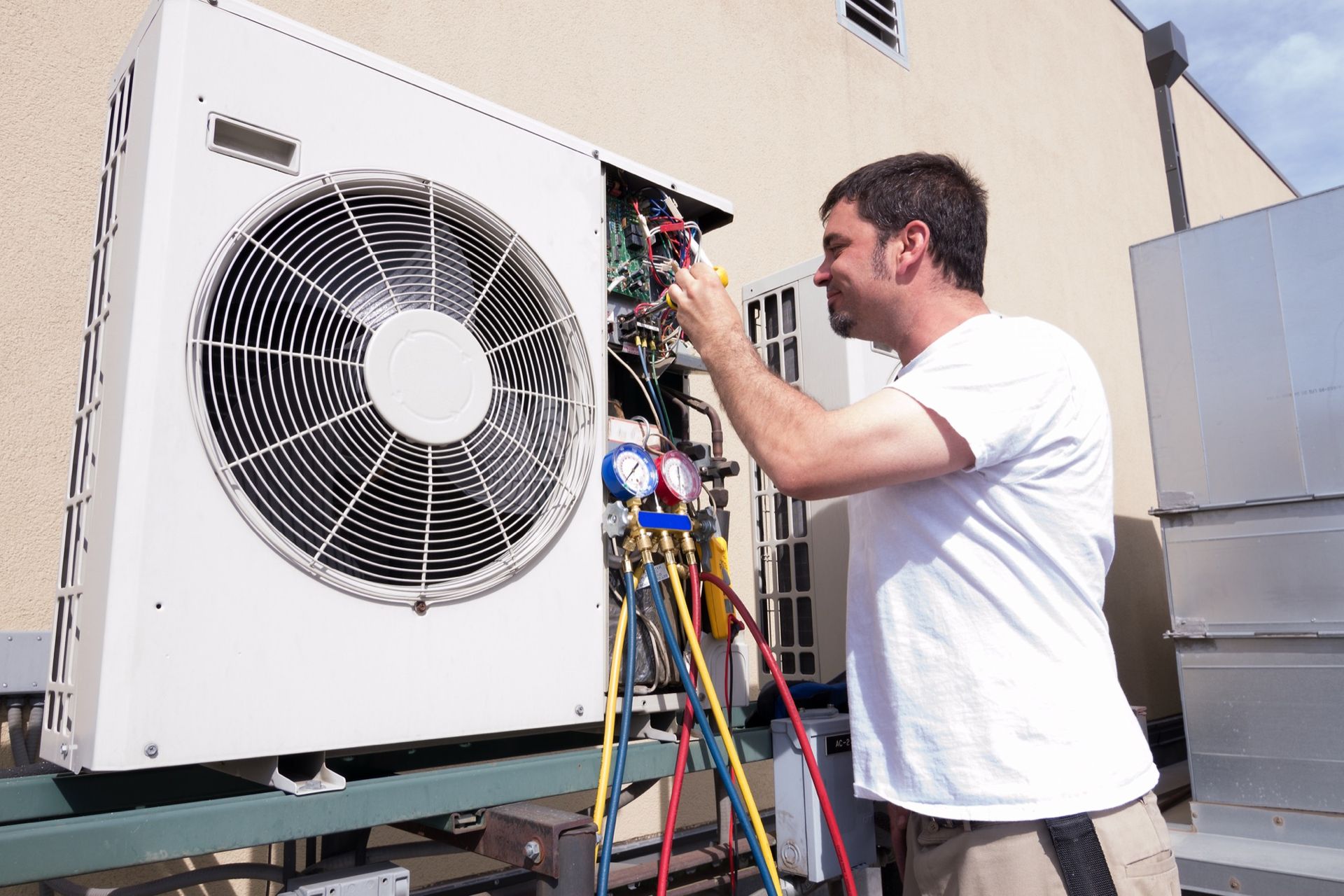
Have a pro check your HVAC system at least two times a year—once before summer and again before winter.
At Casey Services HVAC , we do checks to find small issues before they become big problems.
A regular check-up includes:
- Looking at all parts of your system
- Replacing dirty filters
- Checking wires and switches
- Testing the thermostat
- Looking for leaks
- Cleaning the coils
- Checking fans and airflow
- Looking at the air ducts
- Testing safety controls
Regular check-ups help your AC last longer and work better!
Bonus Tip: Get the Right Size System & Use Zoning
Even fancy AC systems break if they are too big or too small for your house.
- Too big = Turns on/off too often and uses too much power
- Too small = Runs all the time and gets worn out
Zoning helps too! It lets you cool certain parts of the house instead of the whole place. That saves energy and keeps everyone comfy.
Why Are HVAC Repairs So Expensive?
HVAC systems are big machines with lots of parts. Replacing things like the compressor or motor takes time and money. Here’s why it adds up:
- Ignoring little problems makes them worse
- Missing warning signs makes it more costly later
- DIY repairs can cause more damage
- Good parts cost more but last longer
Labor costs are high because the work is tricky

When Should You Call a Professional?
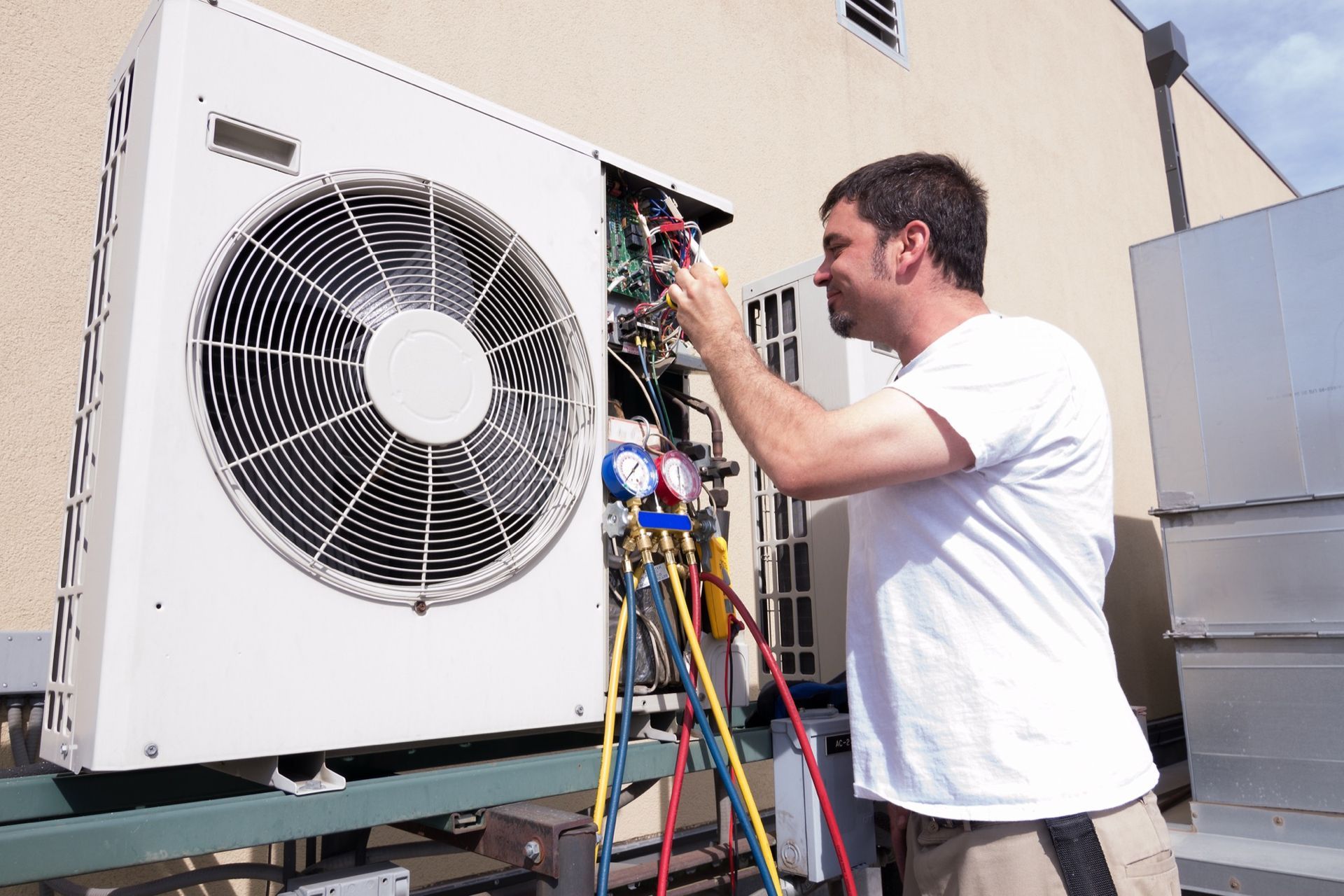
Some small things, like changing filters, you can do yourself. But if you see these signs, it’s time to call an expert:
- Loud banging or squealing noises
- Smells like something’s burning or moldy
- Rooms that don’t stay the right temperature
- AC won’t turn on or keeps turning off
- Broken wires or warm outlets
- Water leaking or ice on the system
Trying to fix these things yourself can be dangerous.
Conclusion
Most HVAC problems start small. If you change your filters, get regular check-ups, clean the outdoor unit, use a smart thermostat, and fix air leaks, you can avoid expensive repairs.
If you live in Raleigh , Wake Forest , or nearby, keeping up with these tips will help your AC work better and last longer. With the right care and expert help, your home will stay cool and comfy without breaking the bank.

FAQs
What’s the most expensive part of an HVAC system?
The AC compressor is the costliest part to fix or replace.
What’s a major HVAC repair?
A repair that takes a lot of time and parts, like fixing the compressor or blower motor.
What are the most common HVAC repairs?
Dirty filters, leaking pipes, electrical issues, thermostat problems, and strange noises.
Why do HVAC systems cost so much?
Because of the cost of parts, labor, and new rules about energy use and safety.
Can I fix my HVAC myself?
Only basic stuff like cleaning or changing filters. For big issues, call a pro.
What is the $5000 HVAC rule?
If the cost of the repair times the system’s age is over $5,000, it’s better to replace it.
How much does a repair usually cost?
It can be anywhere from $150 to $2,500 , depending on what’s broken.
Is HVAC repair covered by home insurance?
Usually no—unless something like a fire or storm causes the damage.
What are common mistakes when installing HVAC?
Wrong size system, bad thermostat spot, bad ductwork, or leaks in refrigerant lines.
Share this Article >
Need help?
Our AC Services