
Signs Your HVAC Needs Repair
Share this Article >
Your HVAC system is responsible for maintaining a comfortable temperature in your home throughout the year. However, even the most reliable system encounters problems from time to time, especially in warm, humid areas like Raleigh and Wake Forest, where the climate puts the system under heavy pressure.
Without prompt HVAC repair, minor issues can quickly escalate into more significant and expensive problems. Or at worst, lead to a complete breakdown of your HVAC system.
This is why it is essential for Triangle-area homeowners to recognize the early signs of system malfunction and take prompt action. In this post, we will guide you through the signs that indicate your HVAC system needs repair, and how the team at Casey Services HVAC can help you resolve the issue before it worsens.
AC is Blowing Warm Air
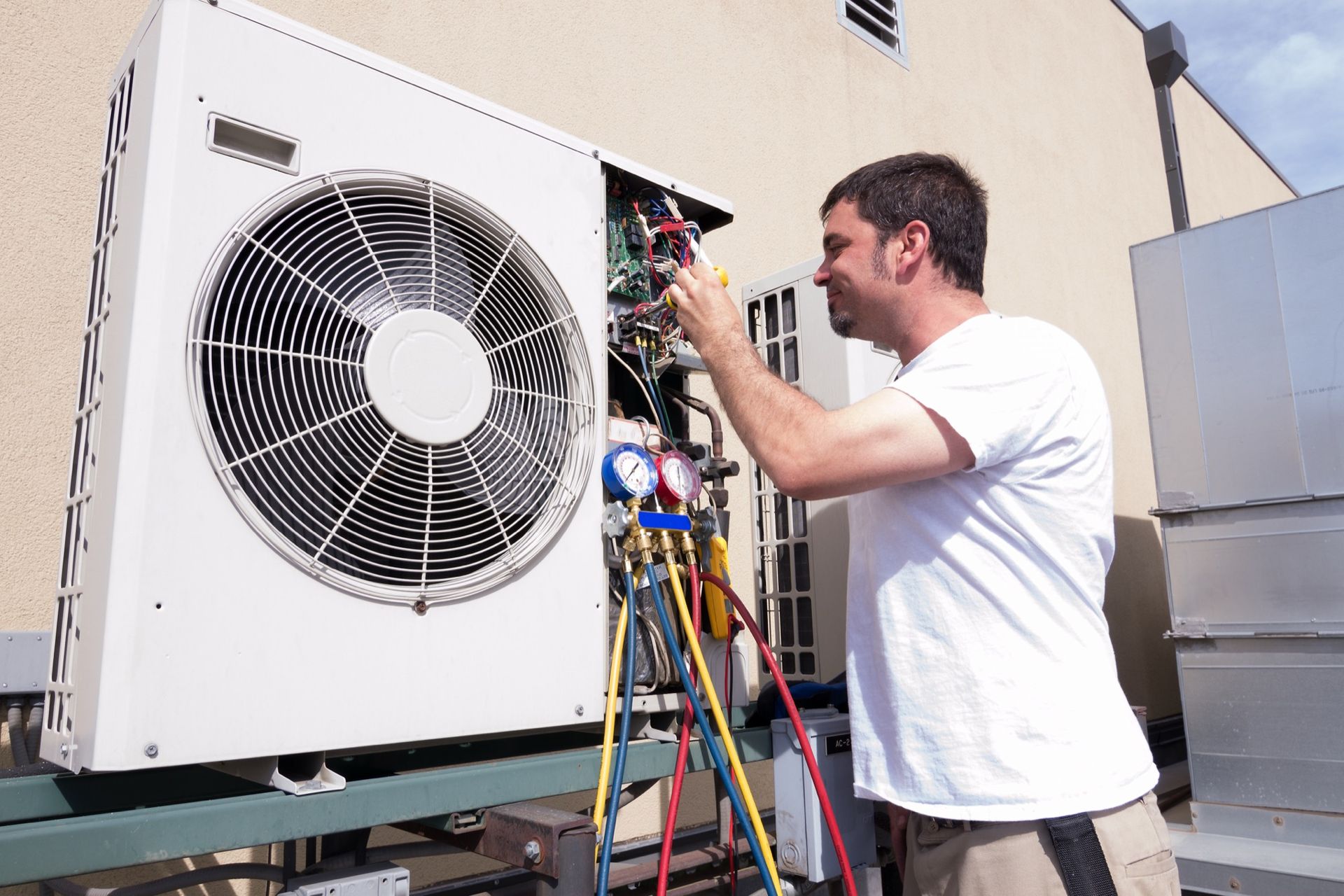
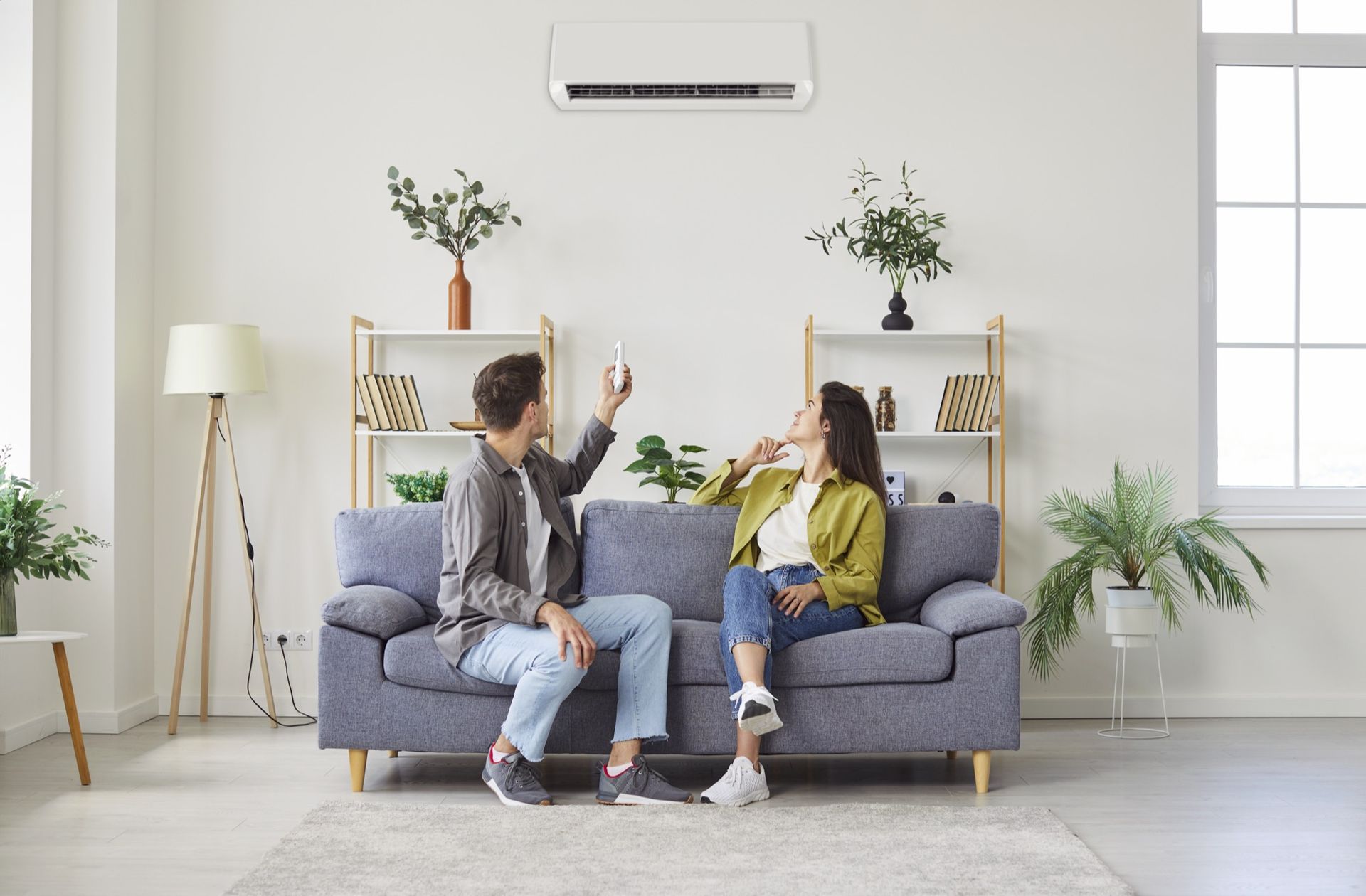
If you are running your AC and warm air is blowing out of the vents, that is a major red flag. The problem can be as simple as a thermostat glitch. It could also be a sign of more serious issues such as refrigerant leakage, compressor problems, clogged air filter or ducts, or a wiring problem.
You can resolve this by checking that your thermostat is set to the correct mode. Then feel the air coming from your vents. If it is consistently warm, shut off your system to prevent further damage and call your HVAC contractor.
Sudden Spike in Your Energy Bill
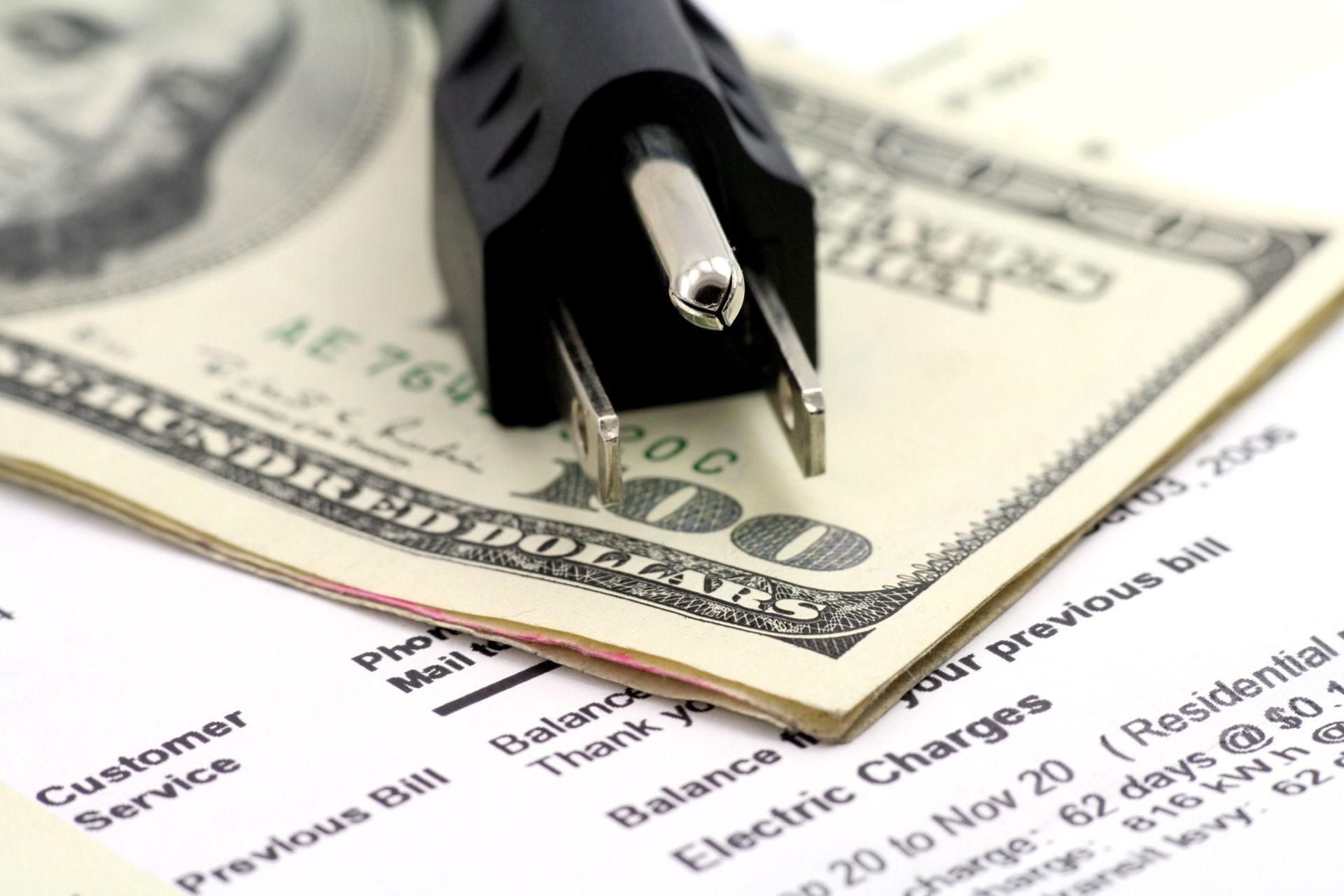
A sudden rise in your energy bill can be a sign that you need HVAC repair. While it is normal for your energy costs to increase in the summer, an unexplained rise (double your normal cost) is a sign that your system needs urgent repair.
When cooling costs suddenly skyrocket, it means your system is not operating efficiently, and it is struggling to meet your comfort needs. If an inspection or repair is not carried out, it can lead to a system breakdown, especially when you need it the most, putting your family’s health and comfort at risk.
Common causes of high energy bills (caused by HVAC) include:
- Refrigerant leaks
- Blocked ductwork
- Dirty coils
- Compressor failure
- Aging equipment.
Unusual Noises
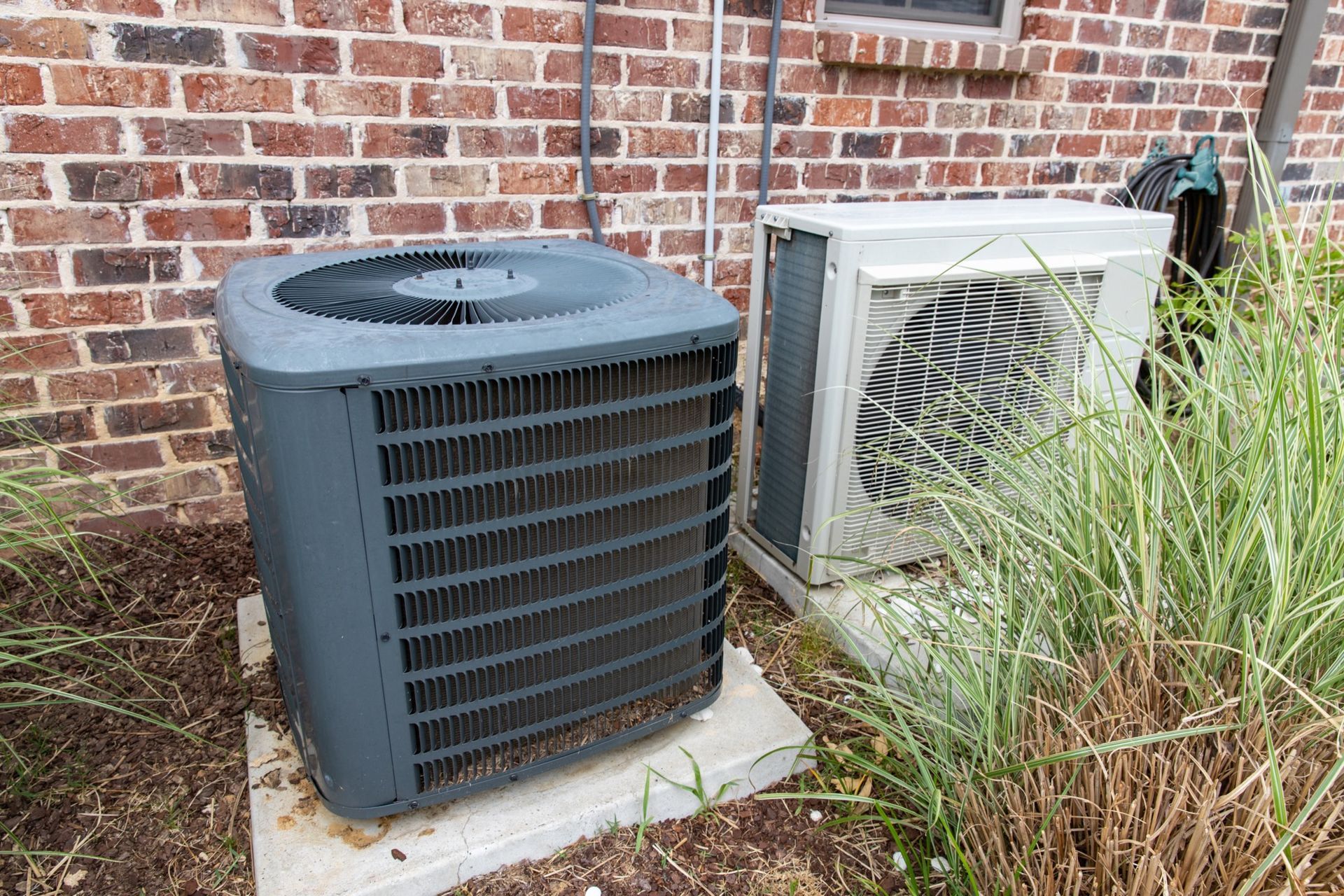
Your heating and cooling system should produce a gentle, consistent humming sound in the background. If you start hearing sounds that are out of the ordinary, it’s a sign that something is wrong, and you may need HVAC repair. Different sounds can point to various problems. For example,
- Screeching or Scratching Sound: A belt has slipped out of position
- Grinding or Squealing Sounds: Worn-out motor bearings or fan issues
- Banging sounds: Loose or broken compressor or blower parts
- Hissing: Potential refrigerant leaks
- Rattling: Loose ductwork or debris inside the unit
While some of these issues may seem minor at first, neglecting them can lead to more serious problems for your heating and cooling system, affecting its functionality, comfort, and even causing unplanned downtime or breakdown.
If you suspect a failing part, switch off your system and call an HVAC contractor. If you call Casey HVAC Services Inc our HVAC contractors will inspect your system, identify the issue, and recommend the best solution, whether it involves a repair or replacement.
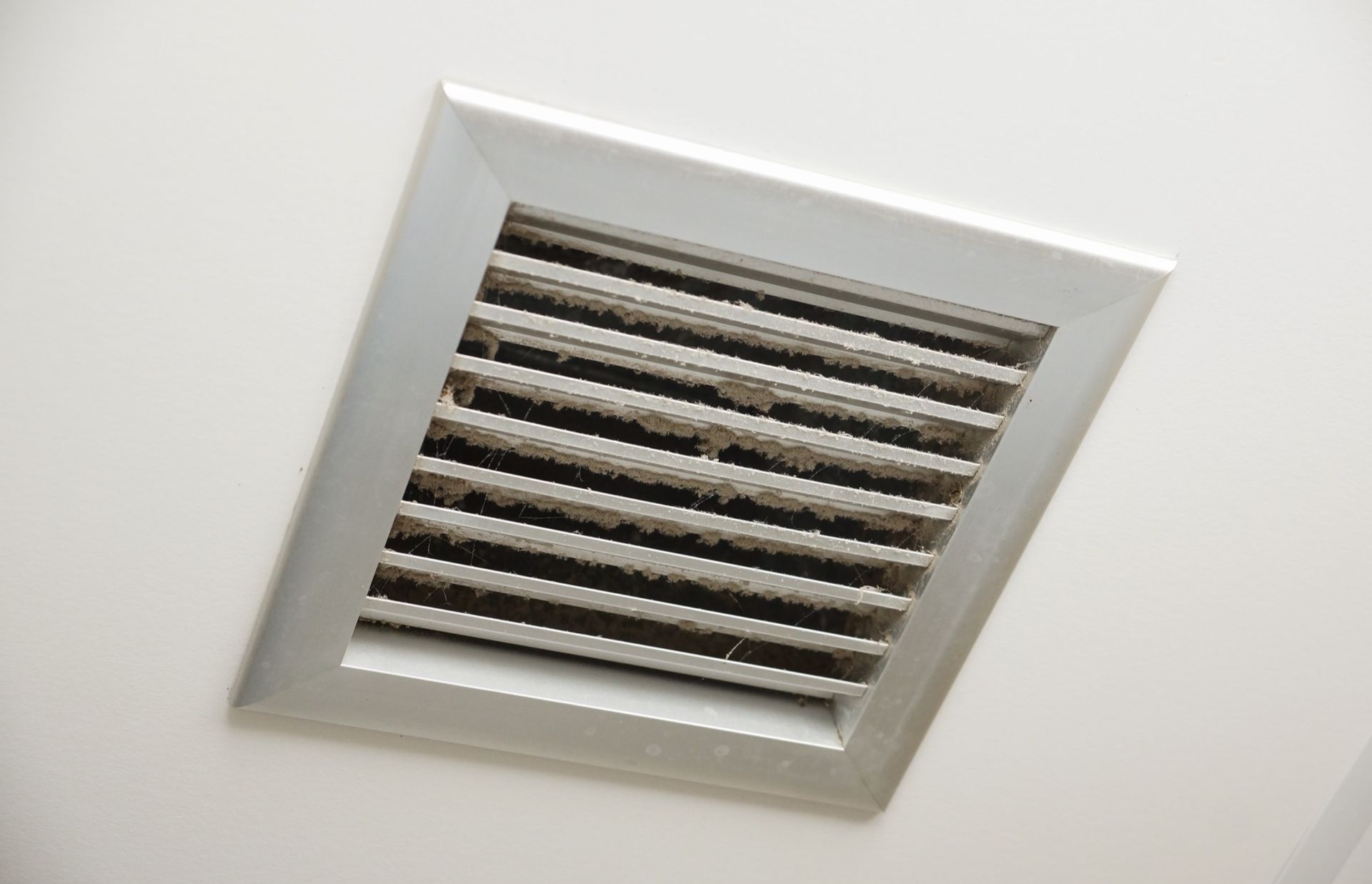
Weak Airflow from Vents
When you place your hand in front of your vents, you should feel a steady and strong stream of cool air blowing from them. If the air barely moves or doesn’t blow at all, it is a sign that something is wrong. This issue is common in older homes throughout Wake Forest and North Raleigh, where the ductwork may be aging or improperly sized for modern heating and cooling systems.
Reduced airflow is often a sign of an underlying issue with the HVAC system. It may be due to:
- Leaks or blockages in ductwork
- Low or leaking refrigerant
- Frozen evaporator coils
- Blower motor failure
- Malfunctioning thermostat
Poor airflow means your HVAC system is wasting energy, and your home is not being cooled or heated appropriately. Left unchecked, it can strain your system and lead to an untimely breakdown.
Frequent Cycling
It is normal for your HVAC system to turn on and off periodically to maintain the desired home temperature. However, if your unit seems to turn on and off frequently it is called short cycling.
Short cycling strains key components of your HVAC system, reducing their efficiency and the lifespan of your equipment. Parts such as capacitors and motors are usually the first to be affected, before more expensive and complex repairs are needed.
The common causes of short cycling are:
- A faulty thermostat sends incorrect signals to your system
- Dirty or frozen coils are forcing your system to overheat and shut down early.
- Overheating compressor
- Improper system sizing
- Low or leaking refrigerant
- Blocked or restricted air flow
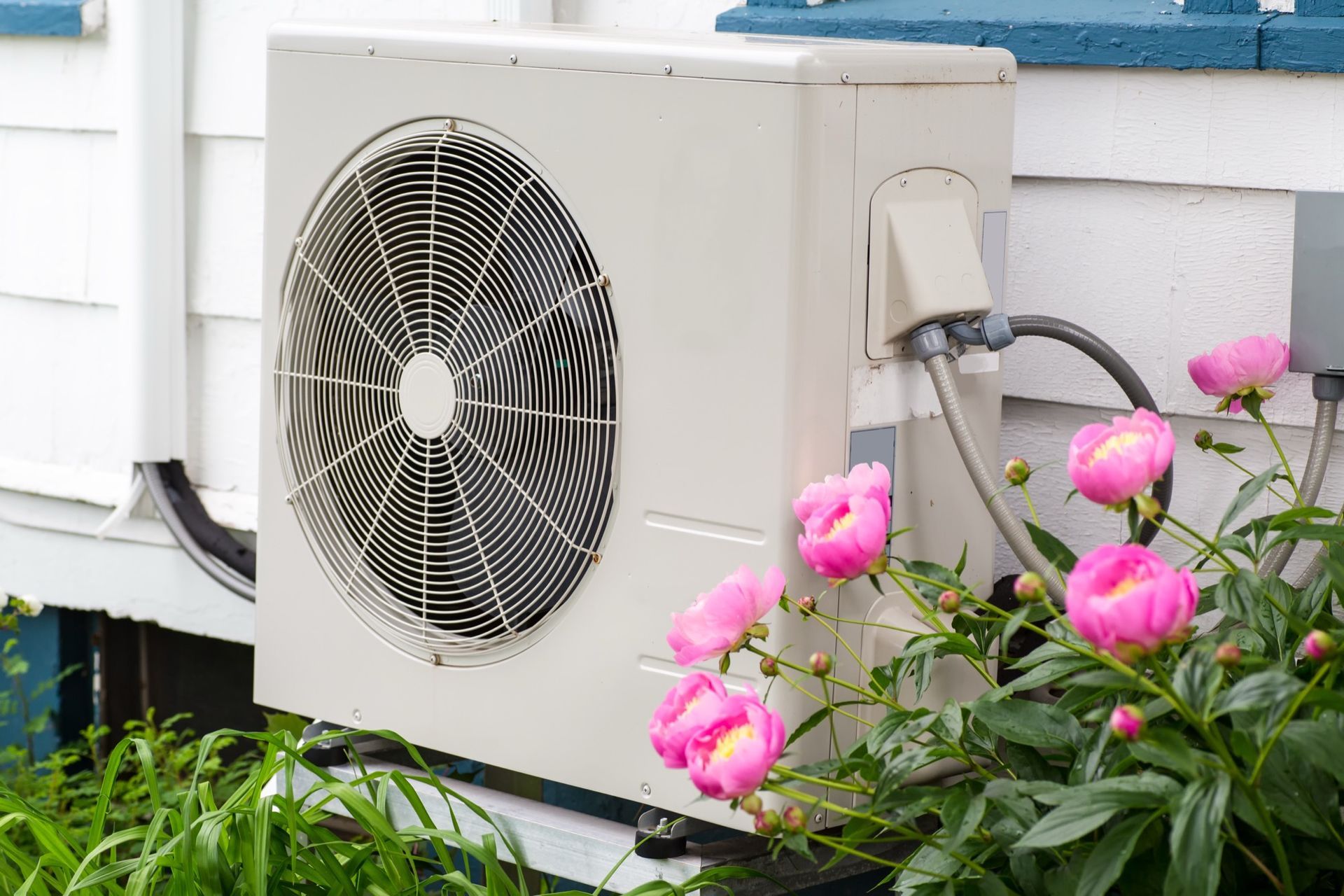
Moisture Around Your Unit
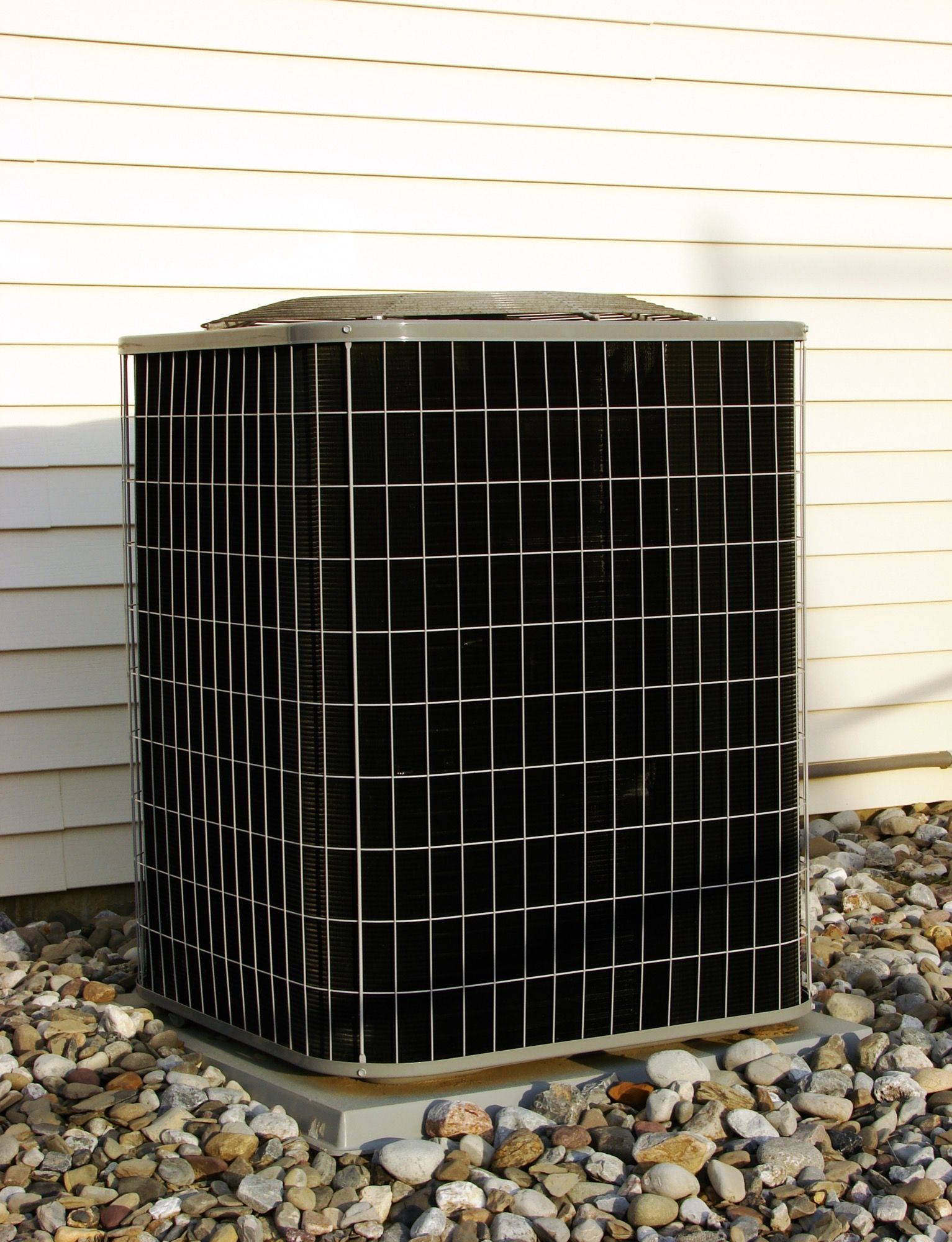
Any moisture or leaks around your HVAC unit are a cause for concern. While some condensation is normal, excessive moisture typically indicates serious problems, such as refrigerant leaks or blocked drains.
A refrigerant leak is a serious threat, as most refrigerants are poisonous. These leaks not only reduce the efficiency of your system but also put the health of your family at risk. Additionally, moisture can cause mold growth around and inside your system. This can lead to a breakout of respiratory illnesses and allergies.
Possible causes of moisture around your unit include:
- Clogged or damaged condensate drain line
- Cracked drain pan
- Low refrigerants are causing coils to freeze
- Damage to the refrigerant line
Moisture around your system can be caused by refrigerant leakage or ordinary water; both require immediate professional assessment. At Casey Services HVAC, we provide emergency HVAC repairs throughout Wake County.

Unpleasant Smells
If your HVAC system is producing foul smells, it is a definite sign of trouble. Musty or moldy smells indicate a moisture problem causing mold growth in your ducts or system components. And burning smells indicate a problem with your electrical connection, whether it is overheating or poor wiring.
Some HVAC-related smells to look out for include:
- Musty or moldy smell: Often caused by mold or mildew inside your ducts or on your evaporator coils.
- Burning smell: Often caused by overheated components, wiring issues, or motor failure. This should be treated as a fire risk.
- Rotten egg smell: This could mean a gas leak. Leave your home immediately and call your HVAC contractor.
- Chemical or sweet odor: This may signal a refrigerant leak, which is hazardous for your health.
Ignoring these smells will not only affect comfort but also compromise indoor air quality and potentially pose a hazard to family health. Depending on the issue, you may need a professional duct cleaning service or an electrician to resolve the problem.
HVAC Repair vs. Replacement: How to Decide
One of the most common questions we hear from homeowners in Raleigh and Wake Forest is: “Should I repair my HVAC system or replace it completely?”
The answer depends on the age, efficiency, and condition of your current system. Consider the following factors:
- Your System is Less Than 10 Years Old: New systems usually have a lifespan of 15-20 years. Most repairs on systems under 10 years are cost-effective; some may even pay for themselves through increased energy efficiency.
- Severity of the Problem: If the issue is something simple, such as a worn belt or minor electrical problems, consider a repair service.
- Low or Constant Energy Bills: If the utility bill remains consistent, it means your HVAC system is still running efficiently and does not need replacement.
- Repair Cost: If the repair cost is relatively low compared to the cost of replacing the entire unit, then consider it. A good rule of thumb is to consider air conditioner or furnace repair if the price is less than 30% of the cost of getting a replacement.
- Warranty is Still Active: If your HVAC system is still under warranty, repairs may be covered, making it the obvious choice.

Alternatively, if you are dealing with any of these issues, it may be time to replace your unit:
- Your System is Over 15 Years Old: Heating and cooling systems lose their efficiency over time, leading to frequent breakdowns and higher energy bills.
- Frequent and Costly Repairs: If you have had to repair your system numerous times in the past and the same issue keeps occurring, or the problems continue to escalate, then it may be time to upgrade to a more reliable system.
- Rising Energy Bills: An aging system will work harder to cool or heat your home, resulting in higher energy bills.
- Oversized or Undersized Systems: If your system is too large or too small for your home, it can cause short cycling, frequent breakdowns, and even impact the overall comfort level in your home. Upgrade to a better-sized system for optimal comfort.
Summary
Your HVAC system is one of the most essential appliances in your home, so it’s crucial to keep it in good condition at all times. Delaying HVAC repairs can lead to bigger breakdowns, higher energy costs, and even health and safety risks in your home.
At Casey Services HVAC, we prioritize fast, efficient, and reliable repairs to protect and keep your home comfortable at all times. Schedule your HVAC repair now.

FAQs
How do I know when my HVAC system needs to be replaced?
It may be time to consider upgrading your system if it is more than 15 years old, requires frequent repairs, your energy bills are increasing, or certain rooms in your home are consistently too hot or too cold.
What are the most common HVAC repairs?
The top most common repairs for home HVAC systems are dirty air filters, leaking refrigerant lines, dirty condenser and evaporator coils, electrical problems, thermostat issues, tripped breakers, blower problems, and strange noises coming from your unit.
How do you know if your HVAC is broken?
Common signs of HVAC trouble include sudden temperature changes in your home, unusual odors emanating from vents, inconsistent heating and cooling, and high energy bills.
What is the most common problem with HVAC?
The most common HVAC problem is dirty air filters. They block airflow, forcing your system to work harder to meet your temperature needs. This can lead to overheating, increased wear and tear, and potentially cause system breakdown.
How do I troubleshoot my HVAC?
Tips for troubleshooting your HVAC system include checking the power, performing a system reset, inspecting the thermostat, replacing the filters, verifying electrical connections, and examining the vents for obstructions.
What is a significant repair in HVAC?
Major HVAC repairs include those to the compressor, blower motor, and heat exchanger.
What is the most expensive part of an HVAC?
The AC compressor is the most costly repair or replacement component within your HVAC unit.
How long does an HVAC last?
Most HVAC systems are expected to last 15 to 20 years, depending on the type of system and other contributing factors, such as regular maintenance activities.
How can I determine if my HVAC compressor is malfunctioning?
The signs of a bad compressor include gurgling or rattling, restricted airflow, refrigerant leaks, warm air flow, and tripping the circuit breaker.
How to Determine if the Refrigerant in an AC is Low?
Signs that your refrigerant is low include ice buildup on refrigerant lines, hissing noise, reduced airflow, water leaks, and increased energy bills.
Share this Article >
Need help?
Our AC Services