
Breaking Down North Carolina Energy Efficiency Rebates
Share this Article >
Are you a North Carolina resident who is considering installing energy-efficient property? If so, are you eligible for NC energy rebates? Part of the Inflation Reduction Act of 2022 revamped energy-efficiency credits and rebates, helping homeowners subsidize the cost of installing new energy-efficient property.
One new rebate program available for North Carolina residents is the Energy Savers NC program. In this article, we’ll cover how the North Carolina energy rebate program works, including what property is eligible, who can claim these rebates, and how they impact federal tax credits.
Remember, the qualification criteria can change based on updates to the program. For the most accurate information, visit the North Carolina Department of Environmental Quality’s website.
What is the North Carolina Energy Rebate Program?
In early 2025, the North Carolina Department of Environmental Quality announced statewide residential energy-efficiency rebates. These rebates can total up to $16,000 for eligible single-family homes and up to $14,000 for certain electric appliances, helping you lower the financial burden of making energy-efficient upgrades.
Energy-efficiency rebates in North Carolina are partly funded by federal incentives. In fact, Energy Saver NC (the official program name) will receive more than $208 million from the federal government. NC home efficiency programs are designed to make cost-saving measures more affordable.
Energy Saver NC is comprised of two main programs: the Homeowners Managing Efficiency Savings (HOMES) and the Home Electrification and Appliance Rebates (HEAR). North Carolina was the first state to launch both rebate programs at the same time.
What Improvements Qualify for the NC Home Efficiency Program?
Not all energy-efficient improvements qualify for the Energy Saver NC program. Here is a brief overview of the type of energy-efficient improvements that are eligible:
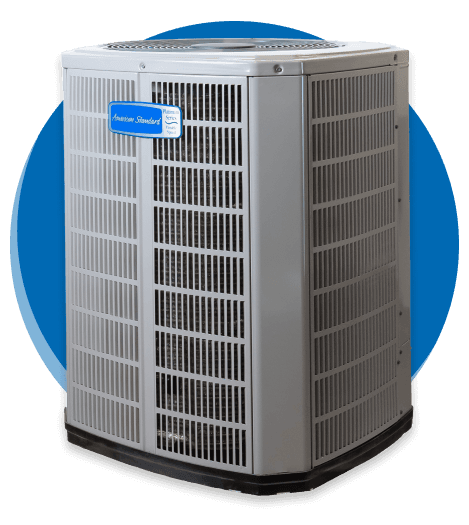
- Whole-Home Heat Pumps – The North Carolina heat pump rebate is available for up to $8,000. This includes certain Energy Star certified heating and cooling components.
- Electrical Panel – Upgrading your electrical panel can be expensive, which is why the Energy Saver NC program offers a rebate of up to $4,000.
- Electrical Wiring – Electrical wiring is also eligible for an NC energy rebate of up to $2,500.
- Heat Pump Water Heater – Heat pump water heaters that qualify can generate a rebate of up to $1,750.
- Insulation and Air Sealing Material – Insulation, ventilation improvements, and air sealing materials that meet certain requirements can create a rebate of up to $1,600.
- Appliances – Heat pump clothes dryer, electric stoves, cooktops, ranges, and ovens may be eligible for a rebate of up to $840.
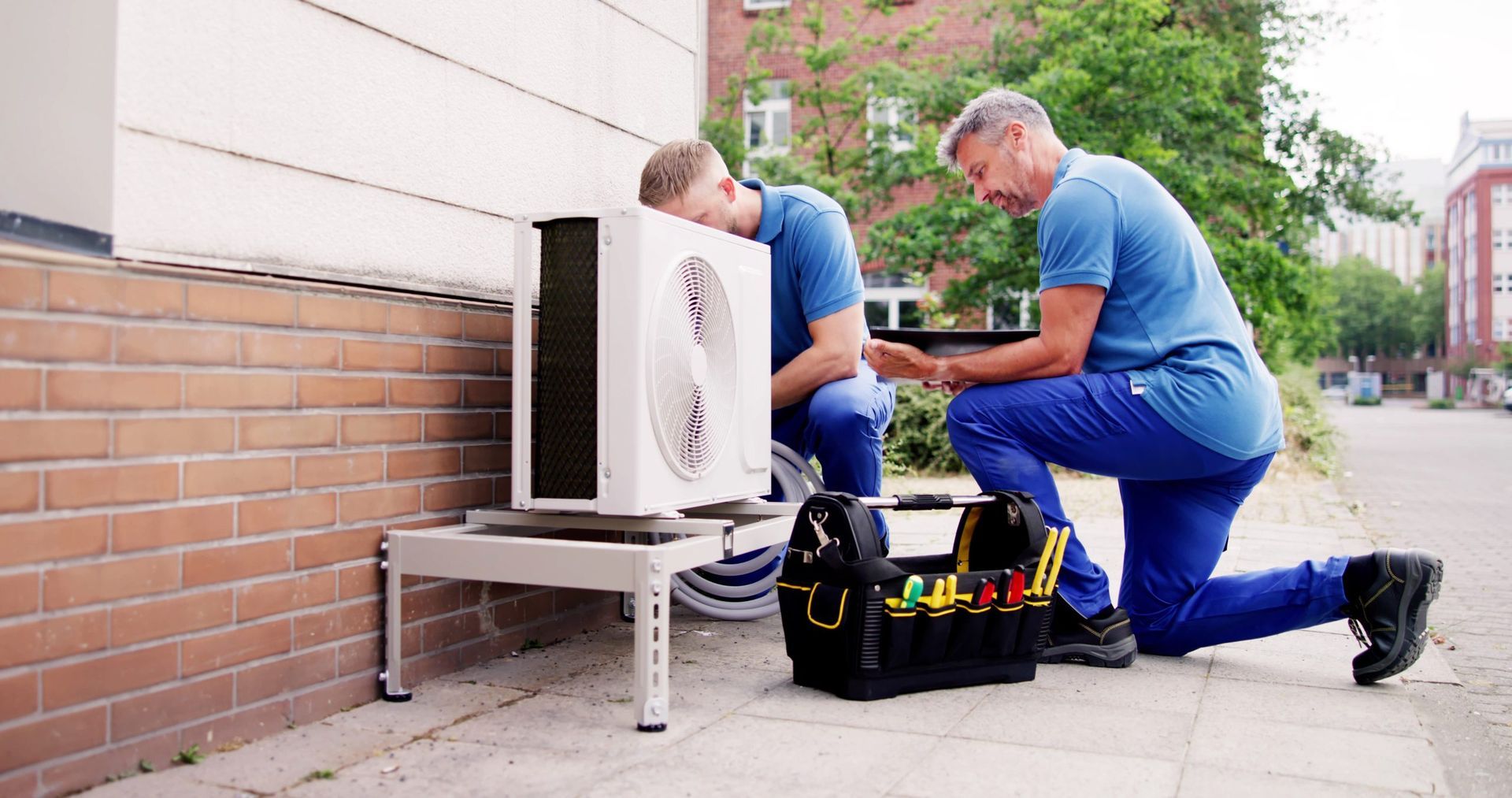
Installing these improvements in your home can be a great way to earn extra money back from NC energy-efficiency rebate programs. It’s important to note that improvements must be installed by a contractor that is licensed and registered with the North Carolina Department of Environmental Quality.
Who Qualifies for North Carolina Energy Efficiency Rebates?
North Carolina energy rebate programs aren’t available to all residents. In fact, certain criteria must be met to qualify. For one, Energy Saver NC focuses on single-family homes that are owner-occupied. This means that the home is considered your primary residence. Landlords cannot claim rebates on single-family homes that they do not occupy.
Additionally, one of the main qualification criteria is that homeowners must make less than 80% of their area’s median income to claim the full rebate. For example, in 2023, the median household income in North Carolina was $69,904. To qualify for the 80% rule, your income for the year would need to be below $55,923. Remember, median income is different each year and for each jurisdiction.
If your household income is above 80% of your area’s median income, you may still qualify for a reduced rebate. Once your income exceeds 150% of your area’s median income, you will not be able to claim a rebate. Using our above median income figure, if your income was above $104,856, you would not qualify.
Another qualification criteria for the HOMES rebate is that there must be at least a 20% energy savings for major home upgrades. This is why a home assessment is one of the required steps to claim the rebate. A home assessment by an energy assessor will tell you exactly how much energy your improvements will save.
Are NC Energy Rebates Available in All Counties?
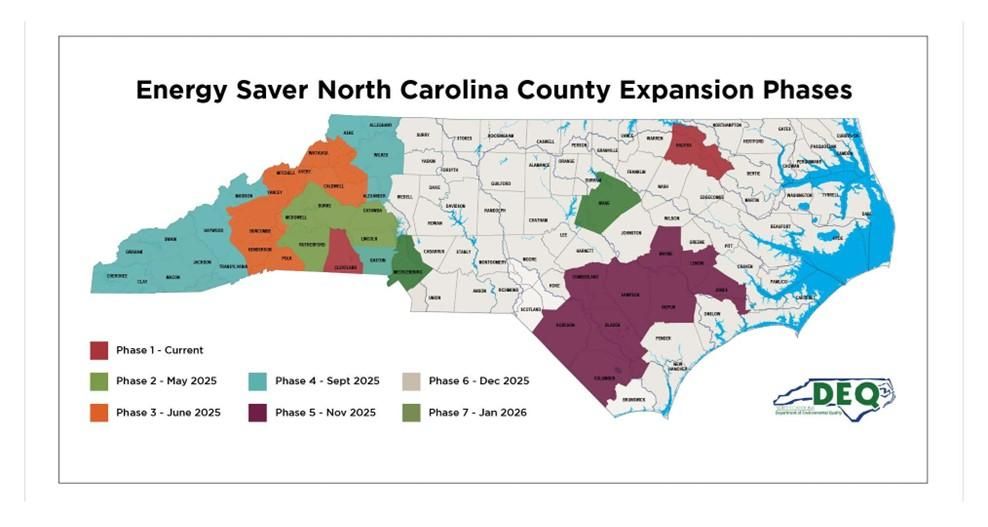
Currently, NC energy-efficiency rebates are only available in Cleveland and Halifax counties. These are the counties that North Carolina believes have the highest energy burden. However, by January 2026, all counties are expected to be included in the NC Energy Saver program. See the below map for the expected rollout of the North Carolina energy rebate program in each county.
How to Claim Credits and Rebates on New HVAC Systems

NC energy-efficiency rebates through the Energy Saver NC program are claimed through the Department of Environmental Quality’s website. Here are the steps to claim NC energy-efficiency rebates:
- Determine Eligibility – First, verify that you are eligible for the North Carolina energy rebate program. Be sure you meet both the income and the location requirements. A customer care team is available weekdays to help you check if you qualify.
- Complete Home Assessment – If you are applying for a rebate through the HOMES program, you will need to complete a free home energy assessment. An energy assessor will walk you through how energy is used in your home and which types of improvements can help you save money.
- Schedule Installation – Next, you will schedule the installation of your energy-efficient improvements. The contractor used to install the upgrades must be a part of the Energy Saver North Carolina program. If you use an unlicensed contractor, you may not be able to claim rebates.
- Apply for Rebate – After all work is completed, you will apply for your rebate online. You can also apply for rebates by phone, email, and mail; however, online applications are more efficient. The application will ask you for basic information, including your address, annual household income, household size, improvement type, and improvement cost.
- Review and Rebate Issuance – The North Carolina Department of Environmental Quality will then review your application. If all information checks out, you will receive your rebate. At this time, it’s unclear what the expected turnaround time is for applications.
North Carolina energy efficiency rebates are issued on a first-come, first-served basis. This means that after funds are exhausted, no more rebates will be processed. If you believe you are eligible for a rebate, it’s important to submit your application right away. For any additional questions about the application process, reach out to the Department of Environmental Quality directly.
Do North Carolina Energy Efficiency Rebates Impact Federal Credits?
While certain public utility subsidies and rebates can impact your federal credit eligibility, most state energy-efficiency incentives do not. This means you may be able to claim both state rebates and a federal tax credit. According to the IRS, energy rebates are considered a purchase price adjustment for federal income tax purposes. This is only applicable if you sell the property. For example, if you have a new AC unit installed for $1,500 and receive a rebate of $500, your adjusted basis in the property is now $1,000. If you sell the unit for $1,750, your gain on sale would be $750.
Summary
If you live in North Carolina and are planning on installing energy-efficient improvements, be sure to check your eligibility for NC energy rebates. You might find that your county is set to launch in the next phase, meaning holding off a few months could result in significant savings through rebates. To learn more about the HVAC upgrades we offer, reach out to one of our team members today.
Share this Article >
Need help?
Our AC Services