
Business Energy Tax Credits: What’s Available?
Share this Article >
Did you install new solar panels on your home? How about upgrading your water heater or heat pump for solar-powered property? If so, you may be eligible to claim the Residential Clean Energy Credit.
Eligible residential energy property expenditures give way to a 30% deduction, making these upgrades more affordable. In this article, we’ll cover an overview of residential energy tax credits, including how the residential renewable energy tax credit works, what qualifies, and potential limitations.
This article is not a substitute for professional tax advice. If you are considering claiming this credit, it’s best to work with a tax accountant who can advise you on your eligibility, potential limitations, and the credit-claiming process.
New Energy Efficient Homes Credit
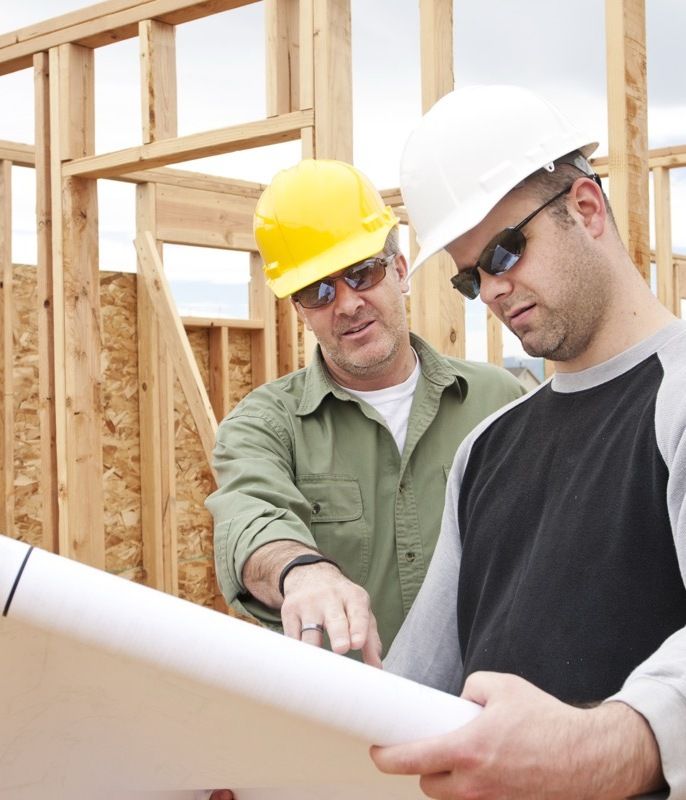
The New Energy Efficient Homes Credit is available for contractors who construct energy-efficient homes. An eligible contractor is a person or business that constructs a qualified new energy home or manufactures the home. The home must be located in the United States, meet specific energy-saving requirements, and be substantially completed to claim the credit. This credit is claimed by filing Form 8908 with your tax return.
This credit is available for up to $5,000 for certified zero-energy ready homes and $2,500 for new homes that meet Energy Star standards. A zero-energy home is a dwelling unit that meets the zero-energy ready home program of the Department of Energy. The credit for multifamily homes is calculated at $500 per unit and $1,000 per unit for zero-energy units.
It’s important to note that the credit is available for each eligible dwelling unit. If you construct ten eligible homes during the year, you could claim a credit of up to $50,000. Most new homeowners already want energy-efficient upgrades, making it a great way to receive a tax credit for work you may already be completing.
Another stipulation of this business energy tax credit is a prevailing wage requirement. Contractors must pay all laborers and subcontractors a wage rate that is equal to or above the prevailing rate for construction in the location of the home. These rates are set by the Secretary of Labor and change periodically based on economic conditions.
Energy Efficient Commercial Buildings Deduction
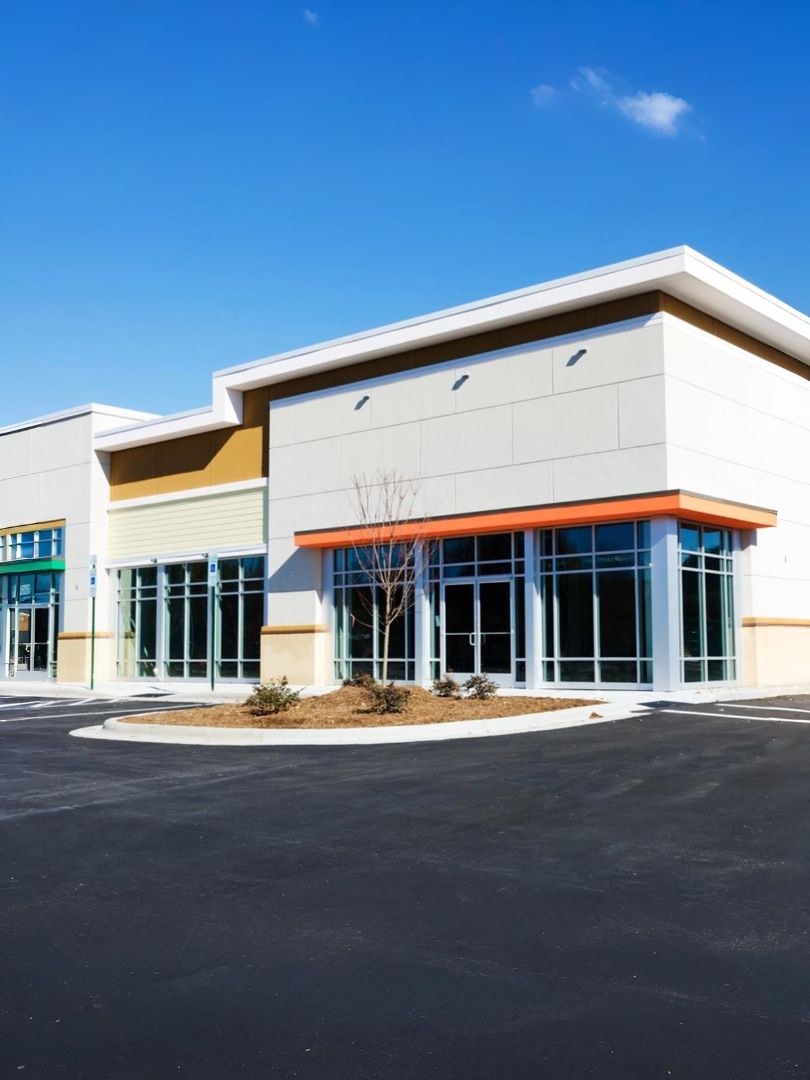
The Energy Efficient Commercial Buildings Deduction is a tax deduction for property owners who make eligible energy-efficient upgrades to a commercial building. Owners of qualified commercial buildings and designers of energy-efficient commercial building property (EECBP) and energy-efficient commercial building retrofit property (EEBRP) are eligible for this deduction.
Eligible buildings are located within the United States. The property must also be eligible for depreciation and amortization, including interior lighting systems, the building envelope, and heating, cooling, ventilation, and hot water systems. These upgrades must be certified as being installed as part of a plan to reduce total energy consumption and power costs by 25% or more. Additionally, the building must be placed in service more than five years before the establishment of a qualified retrofit plan for the building and the property must meet energy-saving requirements.
Eligible upgrades create a deduction of $0.50 per square foot for a building with 25% energy savings. An additional $0.02 per square foot of deduction is available for each percentage point of energy savings above 25%. The maximum deduction is $1.00 per square foot for a building with 50% energy savings. A higher deduction is available if certain prevailing wage requirements are met.
It’s important to note that this tax code provision is a deduction, not a credit. Deductions reduce your taxable income dollar-for-dollar, while credits reduce your tax liability. Although less powerful than a tax credit, the Energy Efficient Commercial Buildings Deduction is a great way to lower your overall tax bill.
Other Business Energy Tax Credits
While the New Energy Efficient Homes Credit and the Energy Efficient Commercial Buildings Deduction are the two most common energy tax credits, there are a few other credits to be aware of. Here’s a brief overview of other energy generation and carbon capture credits that you might be able to claim:
- Production Tax Credit for Electricity from Renewables – This credit applies to electricity sold to an unrelated person from a renewable source. The credit is computed based on kilowatt hours.
- Clean Electricity Production Tax Credit – This tax credit is available for the production of clean electricity and is based on kilowatt hours.
- Investment Tax Credit for Energy Property – Investments in renewable energy products, such as fuel cell, geothermal, small wind, energy storage, solar, biogas, microgrid controllers, and heat and power properties. The credit amount is based on 6% of the qualified investment or 30% if the prevailing wage requirements are met.
- Clean Electricity Investment Tax Credit – This credit is available for investments in facilities that generate clean energy. The credit is computed at 6% of the qualified investment or 30% if prevailing wage requirements are met.
- Low-Income Communities Bonus Credit – Small-scale solar and wind or clean electricity facilities that are in an area with federally subsidized housing, a low-income community, or Indian land can generate an additional 10% or 20% credit on top of the investment tax credit.

The Advantages of Upgrading HVAC
Even if your HVAC upgrades aren’t eligible for business energy tax credits, there are numerous advantages to upgrading. Let’s explore some of the benefits of upgrading your HVAC in more detail.
Leverage Tax Incentives
The first advantage is the ability to leverage tax incentives. Being able to claim business energy tax credits can result in significant tax savings. For example, if your construction business specializes in constructing energy-efficient homes that meet the requirements for the New Energy Efficient Homes Credit, you could have most, if not all, of your tax liability eliminated with one credit.
Lower Energy Consumption
The next advantage of upgrading your HVAC is lower energy consumption. The goal of energy-efficient HVAC systems is to lower energy consumption. Even though there might be an upfront cost to upgrade your shop’s HVAC, you will notice lower energy bills. Over time, this can create a major cost-savings initiative, helping you generate more profitability. In the case of home builders, the new property owners will enjoy lower energy consumption. This can be a great selling point and competitive advantage to grow your customer base.
Support Sustainability
Sustainability is an important factor to keep in mind. Energy-efficient HVAC upgrades are better for the environment. Not only can you use less energy, but you can also demonstrate your commitment to the environment, which builds your brand image. With countless consumers making purchasing decisions based on sustainability, you may be able to grow your customer base, regardless of your industry.
Special Depreciation Options
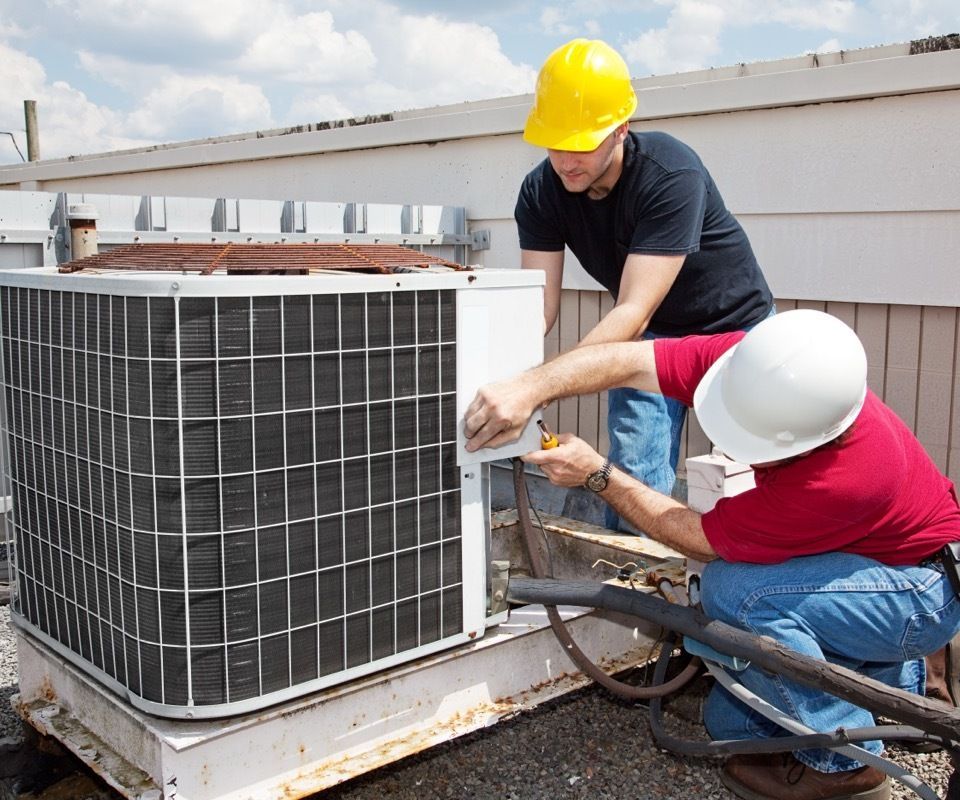
If your HVAC property doesn’t qualify for energy tax credits and deductions, you can still claim special depreciation options. Normally, business owners are required to depreciate improvements, like HVAC, over their useful life. However, special depreciation options, like Section 179 and Bonus Depreciation, give you the ability to take a larger upfront deduction in the year placed in service. This can be a great tax planning strategy to lower your taxable income.
Summary
Whether you are running a construction company that needs to subcontract HVAC or a property owner looking to make energy-efficient upgrades, keep these business energy tax credits and upgrade advantages in mind. For your free HVAC quote, reach out to one of our team members today.

Share this Article >
Need help?
Our AC Services