
How to Find an HVAC Provider That Qualifies for Energy Tax Credits
Share this Article >
Are you looking for an HVAC service provider? Did you know that the IRS and state agencies have specific service provider requirements? Choosing the wrong provider can not only result in a poor installation but could also prevent you from claiming energy tax credits that help lower the cost of upgrading.
In this article, we’ll explore how to find comprehensive HVAC service providers that qualify for energy tax credits and state rebates, including what to look for and the documentation you need to retain. Our team at BUSINESS is a trusted HVAC service provider. If you have a specific question about your HVAC needs, reach out to us today.
What are IRS HVAC Service Provider Requirements?

The IRS does not have comprehensive HVAC service provider requirements. Instead, the IRS focuses more on the manufacturer of energy-efficient property. Starting in 2025, only energy-efficient equipment provided by a qualified manufacturer will qualify for the Energy Efficient Home Improvement Credit. This applies to all HVAC components, including biomass stoves, biomass boilers, central air conditioners, water heaters, heat pumps, furnaces, and hot water boilers. To qualify for the new IRS manufacturer requirements, the manufacturer must:
- Register and create an agreement with the IRS through the Energy Credits Online portal.
- Be assigned a qualified manufacturer identification number for each type of eligible property. Starting in 2026, a product identification number will be assigned to each product.
- Label eligible items with the qualified manufacturer identification number.
- Report qualified manufacturer identification numbers to the IRS.
While national HVAC service providers that don’t manufacture their own items won’t need to register with the IRS, they do need to have a good working relationship with the manufacturer to install eligible HVAC improvements. Beginning in 2025, taxpayers will need to report the qualified manufacturer identification number on their federal energy credit claim. If your HVAC service provider can’t obtain this information, you won’t be able to claim the credit.
Do State Energy Rebates Have HVAC Service Provider Requirements?
State energy rebates have more specific guidelines for HVAC home service providers. Energy Savers NC provides homeowners with a potential HVAC rebate of up to $8,000 for Energy Star-certified heat pumps and up to $600 for Energy Star-certified air conditioners. Energy Savers NC has specific HVAC service provider requirements to qualify for rebates. Service providers must meet the following requirements:
- Register with Energy Saver NC as a contractor.
- Complete training and sign a participation agreement.
- Become an expert on eligible products.
- Follow specific project guidelines.
If you believe you qualify for Energy Savers NC, it’s important to choose an HVAC service provider that works with the North Carolina Department of Environmental Quality. Choosing a provider that isn’t an authorized provider could limit you from claiming a rebate for your HVAC upgrades.

What to Look for in an HVAC Service Provider
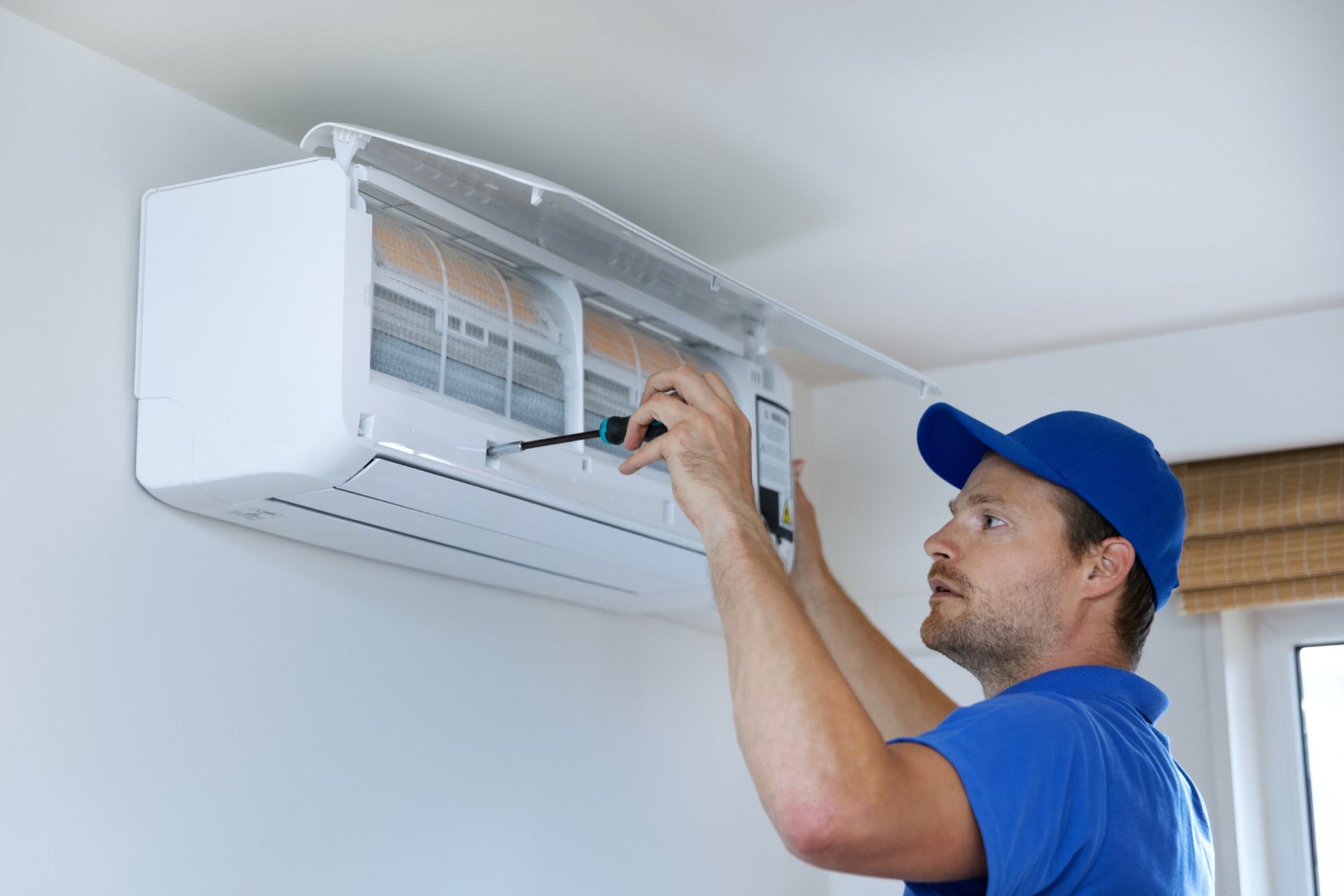
If you are upgrading your HVAC to qualify for energy tax credits and rebates, it’s important to look for a few key things when choosing your service provider. Let’s explore these items in more detail.
Certifications
The first thing you should look for in an HVAC service provider is their certifications. Contractors are required to be certified to install certain HVAC improvements. For example, a commercial HVAC solutions provider will have certifications in the commercial field, while a residential installer will have certifications in the residential realm. Inquire about the certifications that your potential HVAC home service provider has.
Licenses
Just like certifications are important, so are licenses. HVAC service providers are required to be licensed with the state, even outside of the Energy Savers NC program. In order to perform HVAC work legally, the company needs to have a valid license from the State Board of Examiners. Ask for a copy of this license or look it up online to be sure it’s valid. You only want to be working with licensed HVAC service providers.
Manufacturer Used
The manufacturer your HVAC home service provider uses is crucial, especially when claiming federal energy credits. Before moving forward, ask about which manufacturer the service provider uses and if they can obtain the qualified manufacturer identification number. You will need the qualified manufacturer identification number to have a valid credit claim starting with your 2025 return. If the HVAC service provider isn’t able to give you this information, look elsewhere.
Registration withEnergy Savers NC
If you are upgrading your HVAC and are eligible for Energy Savers NC rebates, it’s important to look for an eligible comprehensive HVAC service provider. Only upgrades performed by a valid contractor will be eligible for these rebates. Ask your potential HVAC service provider if they are registered with the program.
What Information to Get from Your HVAC Service Provider
Once you’ve selected a contractor using the above criteria, it’s important to ensure your records contain all of the necessary information for federal credit and state rebate claims. Verifying you have all of this information right away can save you a headache when it comes time to submit your credit and rebates. Here is the information you should have:
Detailed Invoice
The first piece of information is a detailed invoice. This invoice will show the total price paid, the date, and basic information about the upgrades the national HVAC service providers installed. An invoice will usually be given to you after the work is done. However, you can get a quote beforehand. Keep the detailed invoice with your records. This shows you important dates about when your HVAC was installed to ensure you are filing for federal energy credits in the proper year.
Payment Confirmation
Next, you want to have confirmation of your payment. The IRS and state agencies can request payment information in the event of an audit or inquiry. Having a receipt that shows you paid the contractor will be crucial information to prevent the disallowance of energy credits and rebates. Remember, bank and credit card statements are not the same as a payment confirmation from your HVAC service provider. The IRS has already ruled that bank and credit card statements don’t meet the requirements for information substantiation.
Warranty and Model Information
The warranty and model information are also important. This information verifies that you installed qualifying energy-efficient property in your home. If the IRS or a state agency audits your return or rebate claim, they will ask for the model information to check that it qualifies. Similarly, most HVAC upgrades come with a warranty. Be sure you receive the warranty information to protect yourself against any issues.
Qualified Manufacturer Identification Number
Obtaining the qualified manufacturer identification number is another key documentation component. This identification number will be a required component of credit claims starting in 2025. If the warranty and model information don’t have this information listed, you will need to reach out to your HVAC service provider to obtain it.
Summary
Choosing an HVAC service provider is an important decision, especially if you are trying to claim federal credits and state rebates. You want to work with a reputable provider that has the necessary credentials and licenses. If you’re ready to upgrade your HVAC, reach out to one of our team members today. We are a comprehensive HVAC service provider that can help you unlock tax credits and state rebates.

Share this Article >
Need help?
Our AC Services