
New Build vs Existing Homes: How Energy Tax Credits Differ
Are you building a new home? How about upgrading your existing home with energy-efficient improvements? There are two main home energy credits that you can claim on Form 5695: the Energy Efficient Home Improvement Credit and the Residential Clean Energy Credit. However, the eligibility to claim these credits is limited depending on whether your home is an existing structure or a new build.
In this article, we’ll cover how home energy credits differ between new builds and existing homes, helping you maximize your tax savings. Remember, this article isn’t a substitute for professional advice. For more information about the home energy tax credits you can claim, reach out to your tax accountant.
Share this Article >
Energy Efficient Home Improvement Credit: Existing Homes Only
The Energy Efficient Home Improvement Credit is a tax credit that existing homeowners can claim up to $3,200 each year, which comprises of $1,200 for energy-efficient property and $2,000 for qualifying heat pumps, biomass boilers, and biomass stoves. This credit is only available for existing homes. New builds do not qualify for this tax credit.
However, this doesn’t mean that homes a few years old aren’t eligible. Let’s say that you build a home in 2025. In 2025, when you put the initial windows in the home, you would not be able to claim the Energy Efficient Home Improvement Credit. Two years later, you have to replace a broken window. If the window is qualifying, you can claim the Energy Efficient Home Improvement Credit.

Qualifying Property
Not all improvements made to an existing home qualify for home energy efficiency tax credits. Here’s a brief overview of the type of property that qualifies:
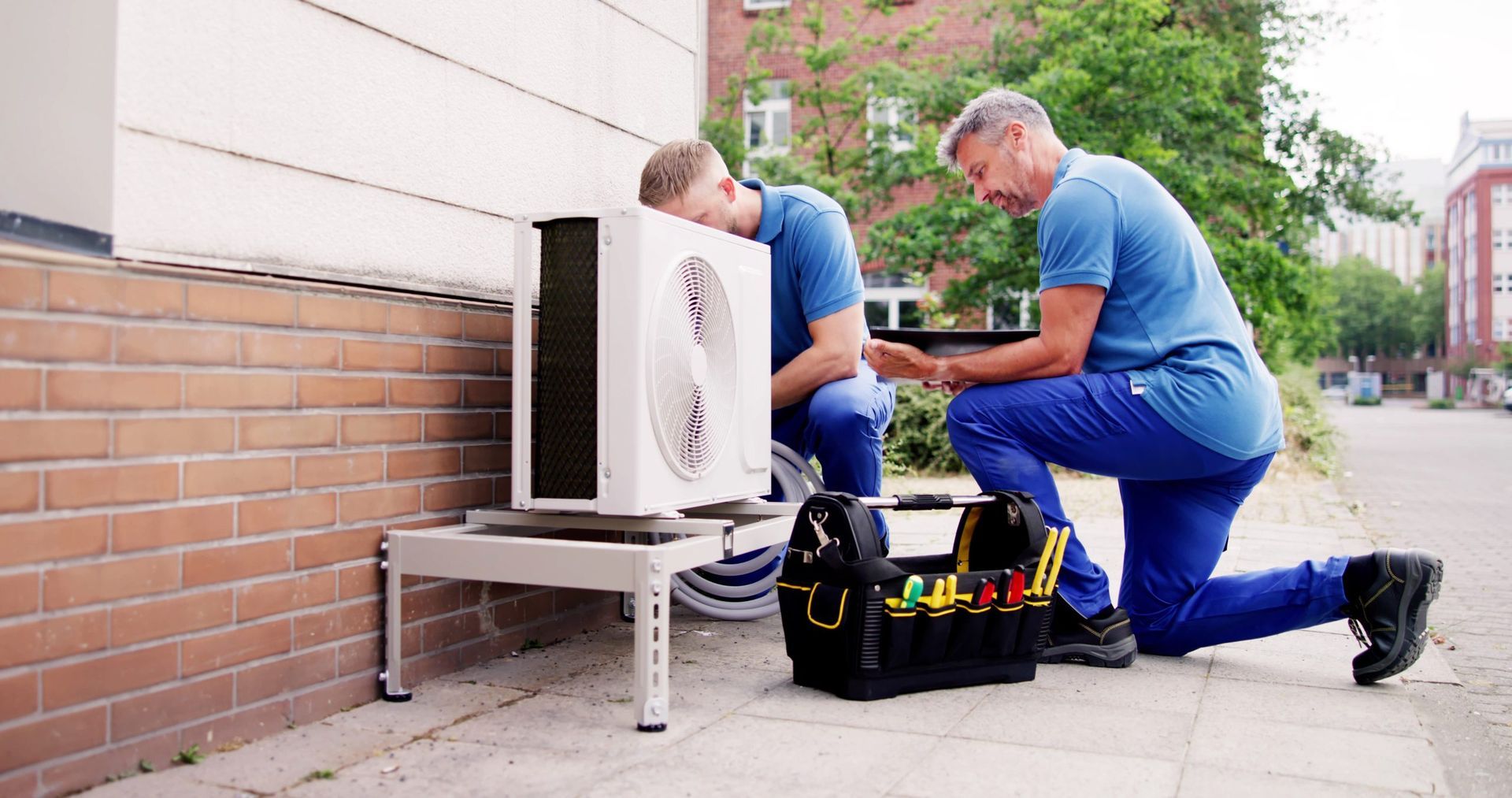
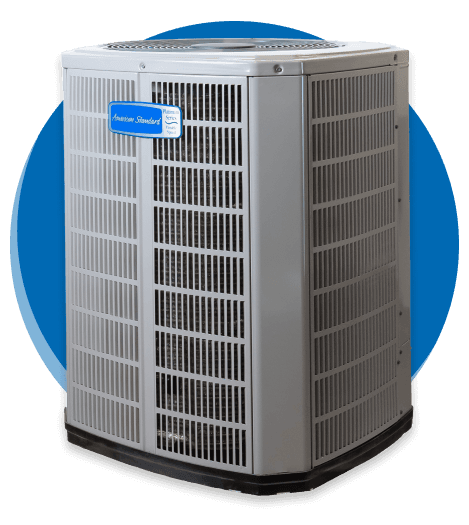
- HVAC – A $600 credit is available for qualifying energy-efficient HVAC improvements, including natural gas, propane, and oil water heaters, furnaces, and hot water boilers. Air conditioning units are also eligible. Eligible property must meet the Consortium for Energy Efficiency’s highest tier.
- Windows and Doors – Windows and doors that meet Energy Star certification requirements are eligible. A credit of up to $500 is available for doors and $600 is available for windows. Labor costs associated with installation are not eligible for the credit.
- Insulation and Sealing Materials – Insulation and air sealing materials that meet the International Energy Conservation Code standards are eligible for a credit of up to $1,200.
- Home Energy Audits – Home energy audits issued by a qualified home energy auditor through one of the Department of Energy’s certification programs can lead to a credit of up to $150.
It’s important to note that energy-efficient home tax credits are only for new property. Purchasing and installing used materials would not qualify for the home energy credit, even if the individual component meets the requirements. The energy-efficient improvements must be new, meaning you are the first purchaser.

How to Claim
The Energy Efficient Home Improvement Tax Credit is claimed by filing Form 5695 in the year the improvements were placed in service. Let’s say you sign a contract for eligible windows in 2025, but they are not installed until 2026. In this situation, you would claim the credit in 2026. It’s also important to note that the credit is nonrefundable, meaning it cannot create a refund. Any excess credit is carried forward to future years.
When it comes to claiming the Energy Efficient Home Improvement Tax Credit, it’s important to be aware that regulations have changed over the past few years. Prior to 2023, energy-efficient home improvements were limited to a lifetime credit of $500. This means that once you have used your $500 credit, you could not claim additional improvements. However, the Inflation Reduction Act of 2022 changed these limitations, removing the lifetime limitation and increasing the limits. This means you can claim eligible improvements each year going forward.
Residential Clean Energy Credit: New Builds and Existing Homes
The Residential Clean Energy Credit is more versatile, giving both new and existing homeowners tax credits. Unlike the Energy Efficient Home Improvement Credit that has dollar limitations by improvement types, the Residential Clean Energy Credit provides a credit of up to 30% of the cost of the property. For example, if you place eligible property in service that costs $15,000, you could receive a tax credit of up to $4,500.
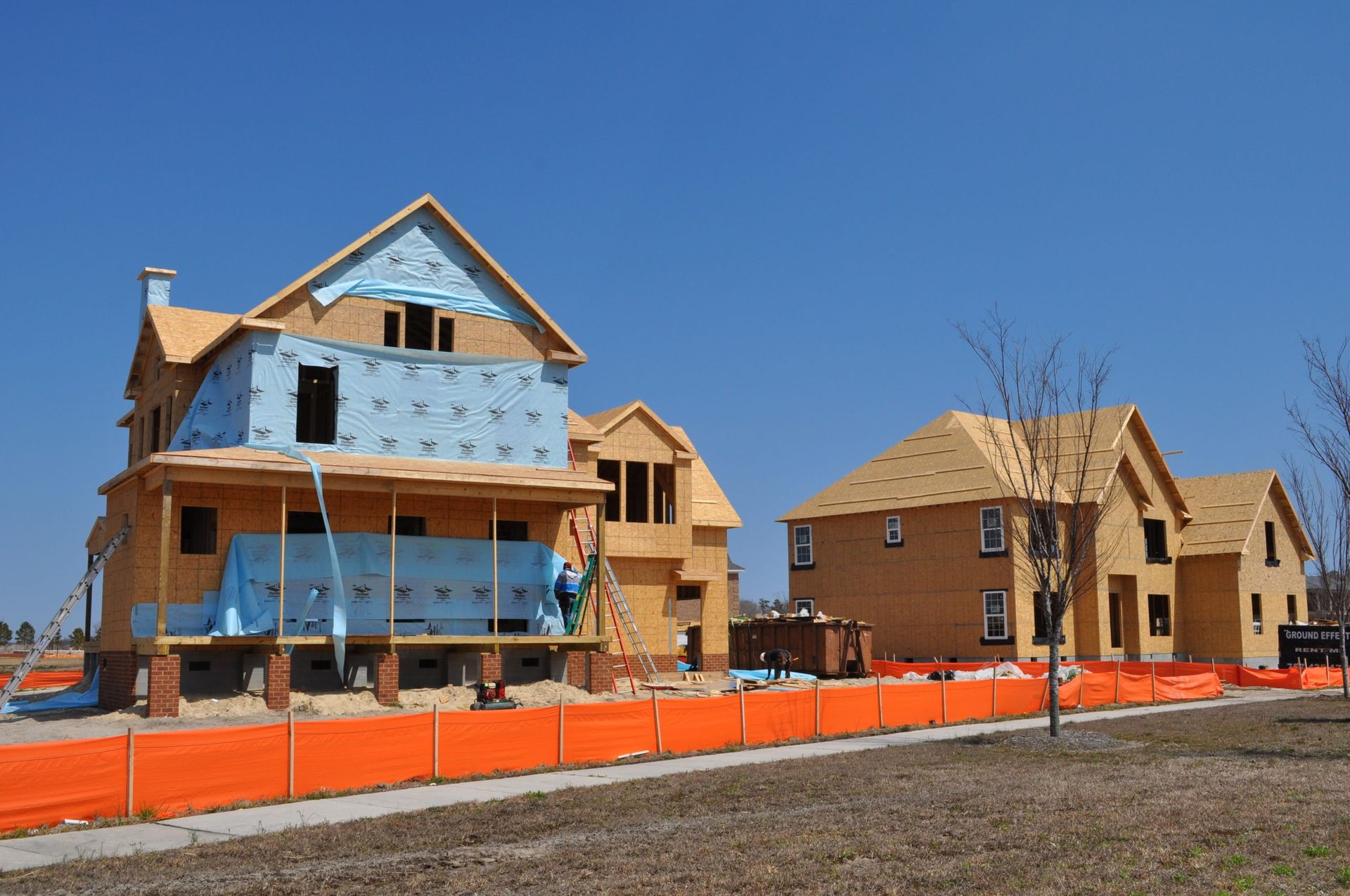
If you are planning on building a new home, taking advantage of new construction energy tax credits can help alleviate the cost of installing energy-efficient improvements. However, the Residential Clean Energy Credit is set to reduce starting in 2033. In 2033, the credit percentage drops to 26%, and in 2034, the credit is reduced to 22%. While this is still a few years out, it’s important to be aware of this change if you are planning to construct a new home.
Qualifying Property
New construction energy tax credits are more limited in scope, applying to larger items, like solar panels. Here are the types of improvements that qualify for the Residential Clean Energy Credit:
- Solar Water Heaters – Solar water heaters that are certified by the Solar Rating Certification Corporation or endorsed by your state qualify.
- Geothermal Heat Pumps – Geothermal heat pumps that meet Energy Star requirements are eligible for the 30% credit.
- Battery Storage Technology – This improvement qualifies if there is at least a three-kilowatt-hour capacity.
- Fuel Cells – Credits for fuel cells are limited to $500 for each half kilowatt of capacity.
- Solar Electric Panels
- Wind Turbines
New home energy credits are geared toward renewable energy, specifically solar-powered property.

How to Claim
Both new and existing homeowners will claim the Residential Clean Energy Credit by filing Form 5695 in the year the improvements were made. It’s important to note that the home doesn’t need to be completed to claim the home energy efficiency tax credits. For example, let’s say that you install solar panels in your home during 2025. However, the home isn’t complete until the end of 2026. The tax year you claim the credit should match the installation date, meaning you would claim the solar panel new homeowner tax credit on your 2025 tax return.
Other Home Energy Credits and Rebates
Home energy credits claimed on Form 5695 aren’t your only option to subsidize the cost of energy-efficient improvements. In fact, there are other rebates and credits that may be available through your state. For one, new home energy rebates are available through the HOME and Home Electrification and Appliance Rebates (HEAR) programs. These are programs placed in service thought the Inflation Reduction Act of 2022 that provides various rebates for energy-efficient home upgrades.
In North Carolina, the HOME and HEAR programs fall under the Energy Saver NC program, which provides whole-home rebates of up to $16,000 for single family homes and up to $14,000 for certain electric appliances. Additionally, you may be able to secure additional energy rebates through your energy provider.
Summary
While it can be discouraging to place energy-efficient improvements into a new build home that doesn’t qualify for the Energy Efficient Home Improvement Credit, the tax law is designed to avoid overuse. In many cases, you may be eligible to claim new home energy rebates and other credits at the state level.
If you’re considering upgrading your HVAC, reach out to our team today to schedule your free consultation. For more information about the specifics of these credits and rebates, reach out to your tax accountant.

Share this Article >
Need help?
Our AC Services