
How to Maximize Your Federal Energy Tax Credit Savings
Share this Article >
Did you purchase and install energy-efficient property on your main home in the United States? If so, are you maximizing your federal tax credit savings? The IRS incentivizes the purchase of energy-efficient property, offering tax credits to help alleviate the cost.
In this article, we’ll explore how you can maximize federal tax return credits by breaking down five strategies, including understanding what types of improvements qualify, how to verify that the installed property is eligible for credits, the advantages of timing your credit claims, and how to submit complete energy credit claims on your tax return. We’ll also dive into alternative places to look when maximizing your property savings.
Remember, this article isn’t a substitute for professional advice. Any questions related to your specific tax situation should be directed to your tax accountant.
Understand What Type of Improvements Qualify
The first strategy to maximize federal tax credit savings is to understand the type of property that qualifies for a credit. The most common form for claiming federal credits for energy-saving home improvements is Form 5695. There are two credits claimed on this form: the Residential Clean Energy Credit and the Energy Efficient Home Improvement Credit. Let’s explore these two credits in more detail.
Residential Clean Energy Credit
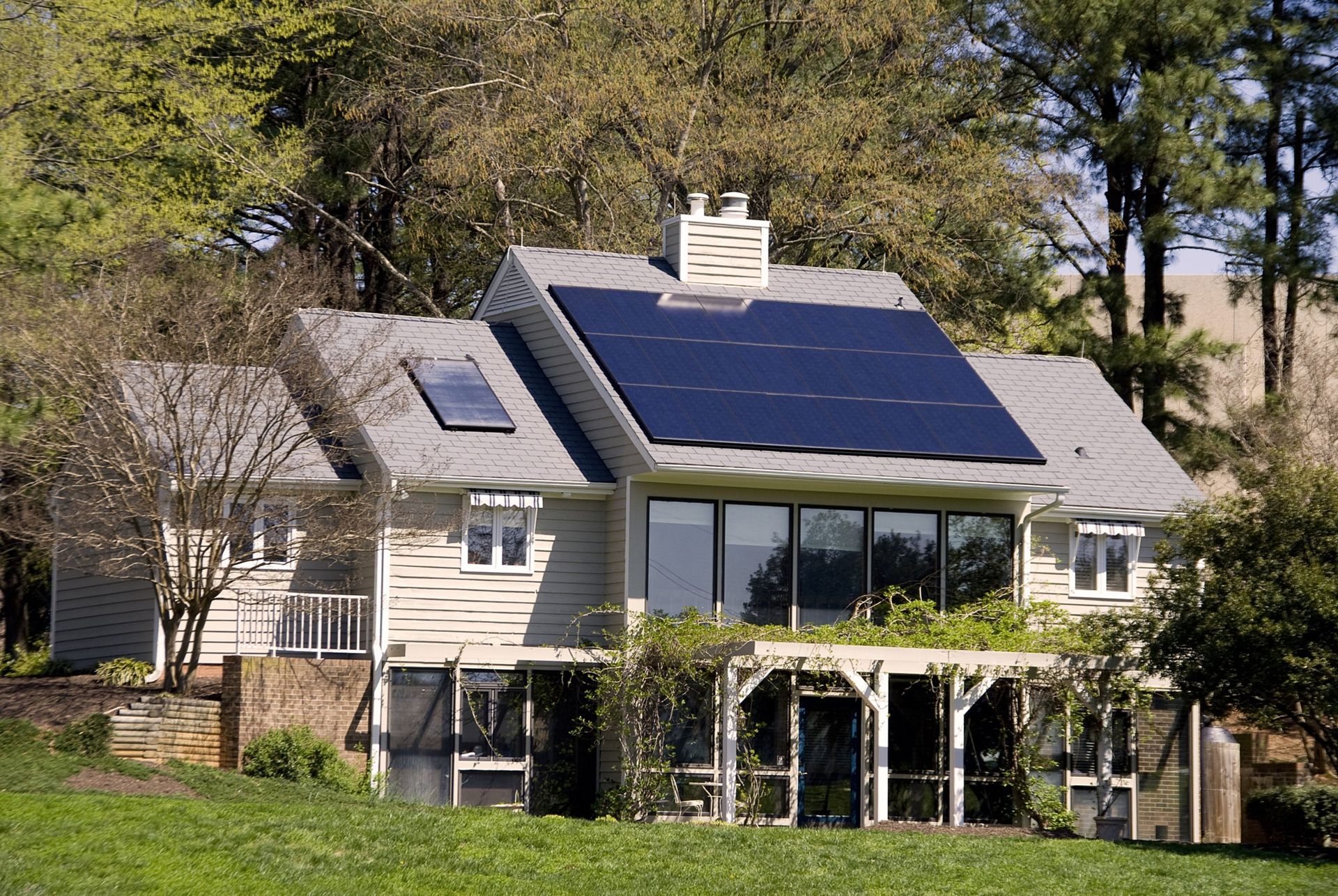
The Residential Clean Energy Credit gives taxpayers a credit for the following improvements:
- Qualified solar electric property
- Qualified solar water heating property
- Qualified small wind energy property
- Qualified geothermal heat pump property
- Qualified battery storage technology
- Qualified fuel cell property
Energy Efficient Home Improvement Credit
The Energy Efficient Home Improvement Credit unlocks tax savings for the following improvements:
- Insulation and air sealing material
- Exterior doors that meet Energy Star requirements
- Windows and skylights that meet Energy Star certification requirements
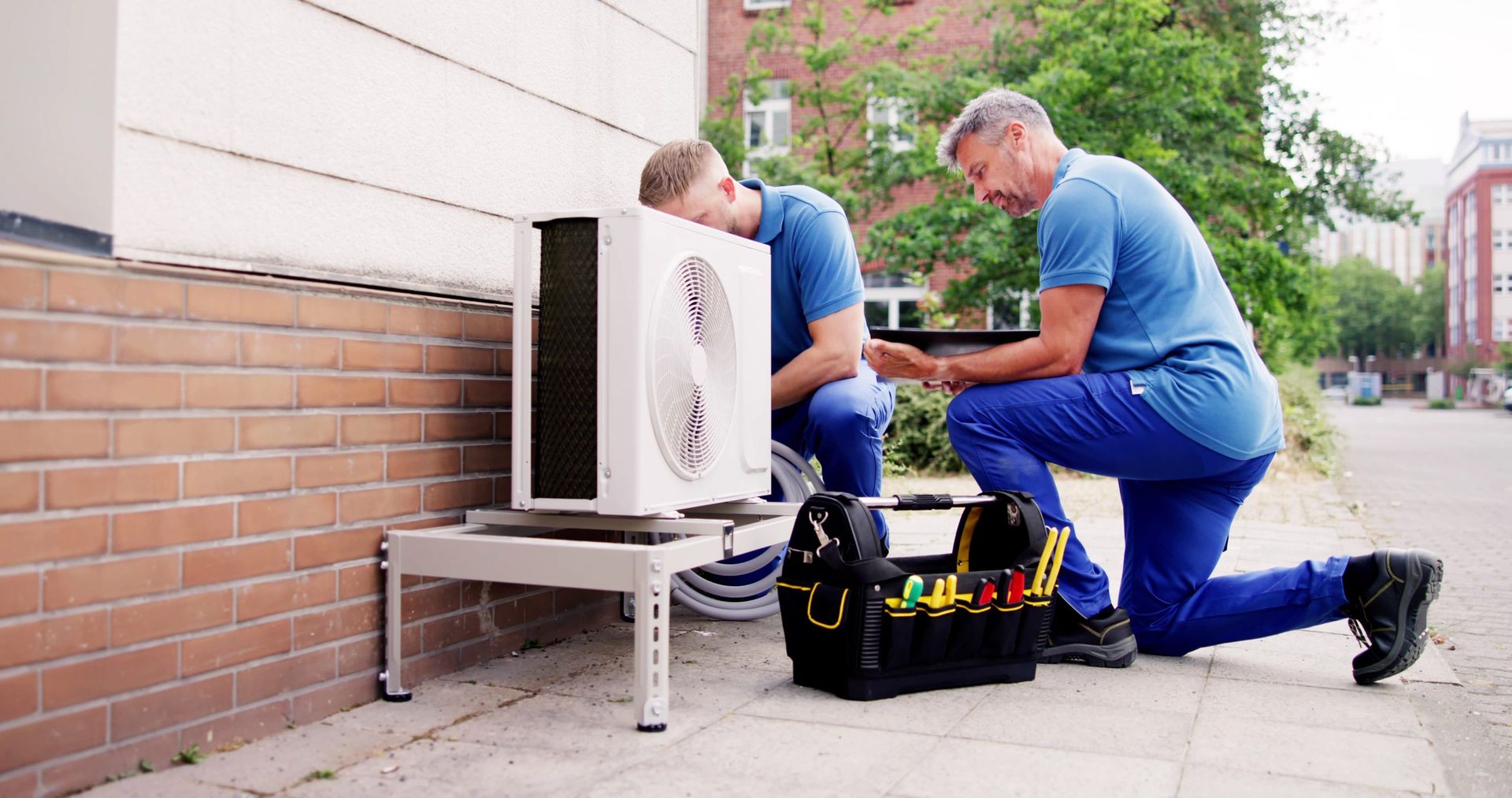
- Central air conditioners
- Natural gas, propane, or oil water heaters
Tax credit savings are available in the year the improvement was installed. For example, if you install a qualifying furnace during 2025, you will claim the credit on your 2025 tax return. You are not allowed to go back and retroactively claim a federal tax credit for energy-saving home improvements. For example, if you purchased qualifying windows in 2024 but forgot to claim the credit, you would need to amend your 2024 return.
Verify Installed Property is Eligible for Energy Credits

Not all property is eligible for a tax credit. In fact, the IRS is very specific about which deductions for energy improvements qualify. When selecting new property and trying to maximize federal tax return savings, it’s important to understand which property qualifies. Here are a few common limitations that you need to know:
- Exterior Doors and Windows – Must meet Energy Star requirements.
- Insulation and Air Sealing Materials – Must meet International Energy Conservation Code standards.
- Home Energy Audits – Must be a written report by a home energy auditor who is certified by one of the qualified certification programs.
- Central Air Conditioners, Water Heaters, Furnaces, and Boilers – Must meet or exceed the Consortium for Energy Efficiency’s highest tier.
- Heat Pumps, Water Heaters, and Biomass Stoves and Boilers – Must meet or exceed the Consortium for Energy Efficiency’s highest tier.
- Solar Water Heaters – Must be certified by the Solar Rating Certification Corporation or endorsed by the state.
- Geothermal Heat Pumps – Must meet Energy Star requirements.
- Battery Storage Technology – Must have a capacity of at least 3 kilowatt hours.
Most manufacturers will be able to tell you if the property meets the requirements for federal energy efficiency rebates and credits. Otherwise, you can search for the property on the applicable government website to see if it qualifies.
Time Energy-Efficient Upgrades
Energy-saving federal tax credits are limited. For example, air conditioners, water heaters, and boilers are limited to a deduction of $600 per item, while home energy audits are limited to $150. Additionally, the maximum federal tax credit savings for the Energy Efficient Home Improvement Credit is $1,200 per year. Timing your energy-efficient upgrades is another way to maximize federal tax return savings.
Prior to 2023, there was a lifetime credit limit of $500. This meant that homeowners could only claim a $500 credit once. However, the Inflation Reduction Act of 2022 changed this credit, giving homeowners the ability to claim the credit each year up to the limits. This opens the door to tax credit savings opportunities by timing your credit claims.
Let’s say that your house needs all new windows. With the exterior window and skylight credit being limited to $600 per year, it might make sense to replace half the windows in one tax year and half in the next. Instead of maxing your credit at $600, you might be eligible to take a credit of $600 each year or $1,200.

Submit Complete Energy Credit Requests

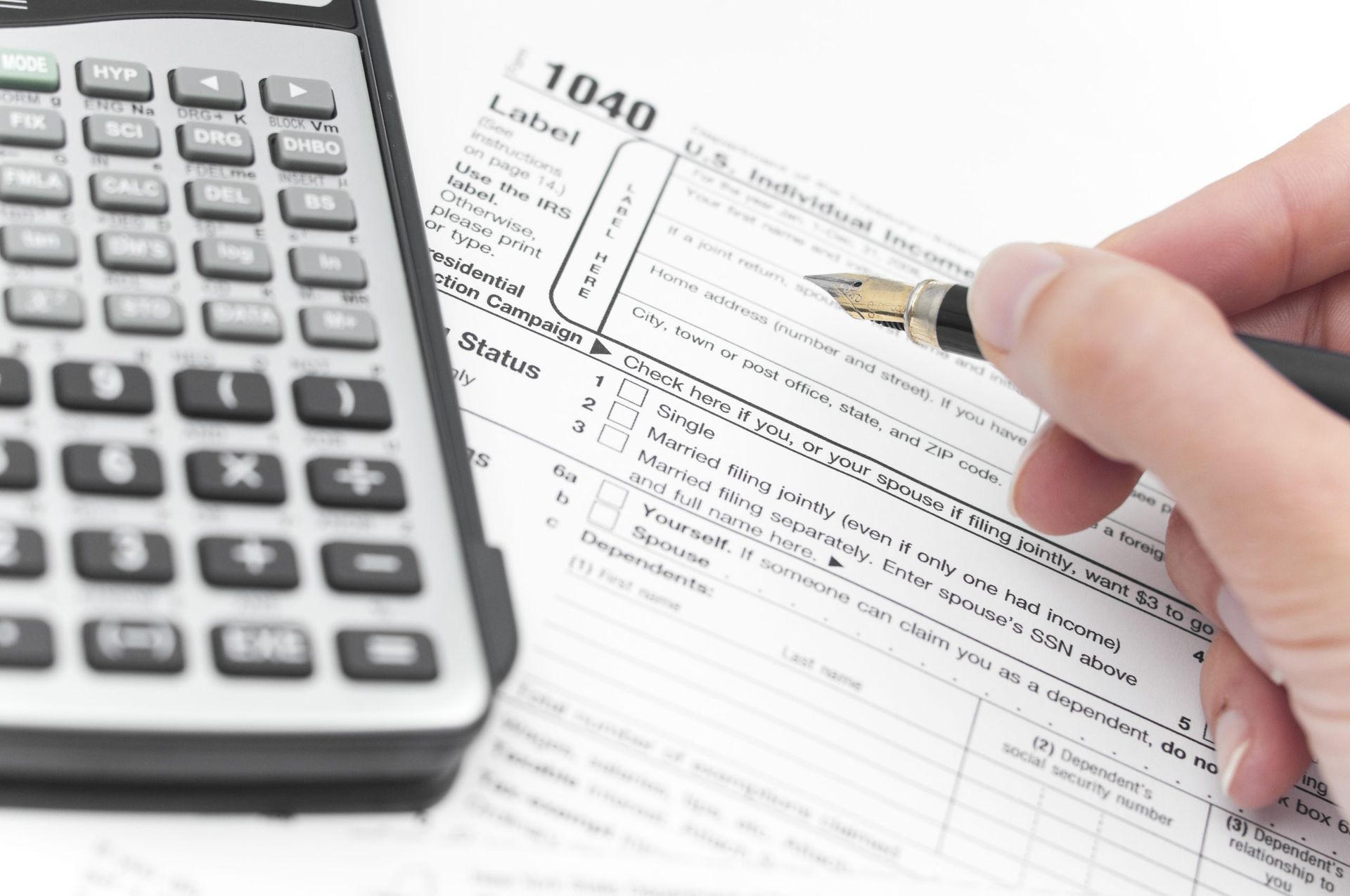
Another way to maximize federal tax return savings is to submit complete energy credit requests. IRS Form 5695 requires different pieces of information, including the location of the property, the type of property purchased, and the amount purchased. In addition, starting in 2025, you will be required to submit manufacturer information to verify your energy credit claim.
When preparing your return, it’s important to have all applicable information included. If the IRS has to ask questions related to your claim and you don’t have any supporting documents, they could disallow your federal tax credit for energy-saving home improvements. This also makes it essential to retain the proper documentation for at least three years.
Check for State and Local Rebates and Credits
Energy-saving federal tax credits aren’t the only way to save money on your energy-efficient property upgrades. In fact, state and federal energy efficiency rebates are another option. Some public utility companies provide homeowners with a rebate for installing energy-efficient property. Similarly, there can also be rebates for specific property purchased from the manufacturer, such as $250 back on the purchase of a furnace.
Moreover, there are state energy efficiency incentives that you might be eligible to claim. North Carolina has multiple energy efficiency programs designed to help residents lower the cost of upgrades, including the Homeowners Managing Efficiency Savings and Home Electrification and Appliance Rebate programs. These rebates can reach up to $16,000 for home energy savings and $14,000 for certain electronics, making them great ways to expand your savings when making improvements to your home.
Keep in mind that certain state and local rebates must be subtracted from your deductions for energy improvements. For example, public utility subsidies are deducted from your qualifying costs for the credit, which can lower your federal credit. Fully understanding how state and local rebates impact your federal energy efficiency credit will be important to maximize your tax savings.
Summary
Whether you are looking to maximize your federal tax return savings or your federal energy efficiency rebates, it’s important to keep these strategies in mind. By understanding eligible improvements, timing your purchases, submitting complete credit requests, and leveraging state and local rebates and credits, you can make the cost of purchasing energy-efficient property more affordable.
If you’re ready to upgrade the HVAC in your home with qualifying property, reach out to one of our team members today to schedule your free consultation. We want to help you maximize your federal tax credit savings this year!

Share this Article >
Need help?
Our AC Services