
What Documentation is Needed to Claim Energy Tax Credits?
Share this Article >
Did you install energy-efficient property in your home during the year? Maybe you upgraded your air conditioner or decided to install new windows. Did you know that many of these improvements qualify for a tax credit?
Energy efficiency has been a hot topic of debate over the last few decades. In fact, in 2023 alone, there were over 400 bills concerning climate change across 40 states and Puerto Rico. If you believe you’ve installed qualifying energy property, it’s important to understand what documentation is needed to claim energy tax credits.
In this article, we’ll cover how to claim energy tax credits, including IRS Form 5695 instructions and what qualifies for Form 5695. Remember, this article isn’t a substitute for professional advice. If you have specific questions related to your tax situation, consult with an accountant.
What Qualifies for Energy Home Credits?

Most property that results in energy efficiency can qualify for a federal tax credit. To qualify to claim energy-efficient tax credits, your home must be located in the United States. In addition, the home generally needs to be your primary residence, meaning it’s where you live most of the year. There are two main credits on the tax form for energy credits. Let’s break down the type of property claimed in each section.
Residential Clean Energy Credit
Form 5695 instructions allow taxpayers to claim a credit under the Residential Clean Energy Credit for the following improvements:
- Qualified solar electric property
- Qualified solar water heating property
- Qualified small wind energy property
- Qualified geothermal heat pump property
- Qualified battery storage technology
- Qualified fuel cell property
Energy Efficient Home Improvement Credit
Part II on the tax credit claim form relates to the Energy Efficient Home Improvement Credit. Improvements that qualify for this credit include:
- Insulation and air sealing material
- Exterior doors that meet Energy Star requirements
- Windows and skylights that meet Energy Star certification requirements
- Central air conditioners
- Natural gas, propane, or oil water heaters
- Natural gas, propane, or oil furnace or hot water boilers
- Panelboards, subpanelboards, branch circuits, or feeders
- Home energy audits
- Heat pumps and heat pump water heaters
- Biomass stoves and biomass boilers
What Documentation is Needed to Claim Energy Tax Credits?
If you installed any of the above improvements to your home, you need to know how to claim the energy tax credit. The form to claim energy tax credits requires a few key pieces of information. Let’s go through what you need when preparing your return.
Location of Property
Regardless of which section of the tax credit claim form you are filling out, you will need to list the location of the property. Remember, IRS Form 5695 instructions require the property to be added to your primary home. For example, if you replace the windows on your rental property, it will not qualify for the credit. This is because the cost is already fully deductible as a rental expense. The tax form for energy credits is designed for homeowners who would not otherwise receive a deduction.

Energy-Efficient Property Information
Let’s say that you bought three doors. One door was $1,500 and the other two doors were $250 each. The $1,500 door will be limited to a credit of $250, while the remaining two doors will generate a $150 credit ($500 x 30%). If you are claiming a credit for multiple line items, such as insulation and doors, you will need to break out the costs by property type.
Manufacturer Information
A new provision of Form 5695 instructions is the listing of the manufacturer information. Starting in 2025, taxpayers will need to report the PIN from a qualified manufacturer on the tax credit claim form to qualify for the credit. The PIN applies to exterior doors, windows, skylights, central air conditioners, biomass stoves and boilers, heat pumps, water heaters, furnaces, and hot water boilers. When selecting your energy-efficient equipment, make sure that the manufacturer is properly registered with the IRS. Otherwise, you will have difficulty claiming the credit.
Proof of Payment
While proof of payment isn’t always required to be attached to your tax form for energy credits, it will be crucial in the event of an IRS audit or inquiry. Showing that you made the payment in the applicable tax year and for the qualifying property will substantiate your credit and avoid disallowance. Remember, if you pay for the property in cash, you need to obtain some type of receipt showing proof of payment and the property installed.
Contractor Information
If you are claiming labor costs in addition to the price of the property, you should have your contractor’s information. This includes the name of the contractor, the price paid, the date installed, and the property installed. Additionally, contractor information might be needed for state credits and rebates.
What Energy Information is Submitted on the Tax Return?
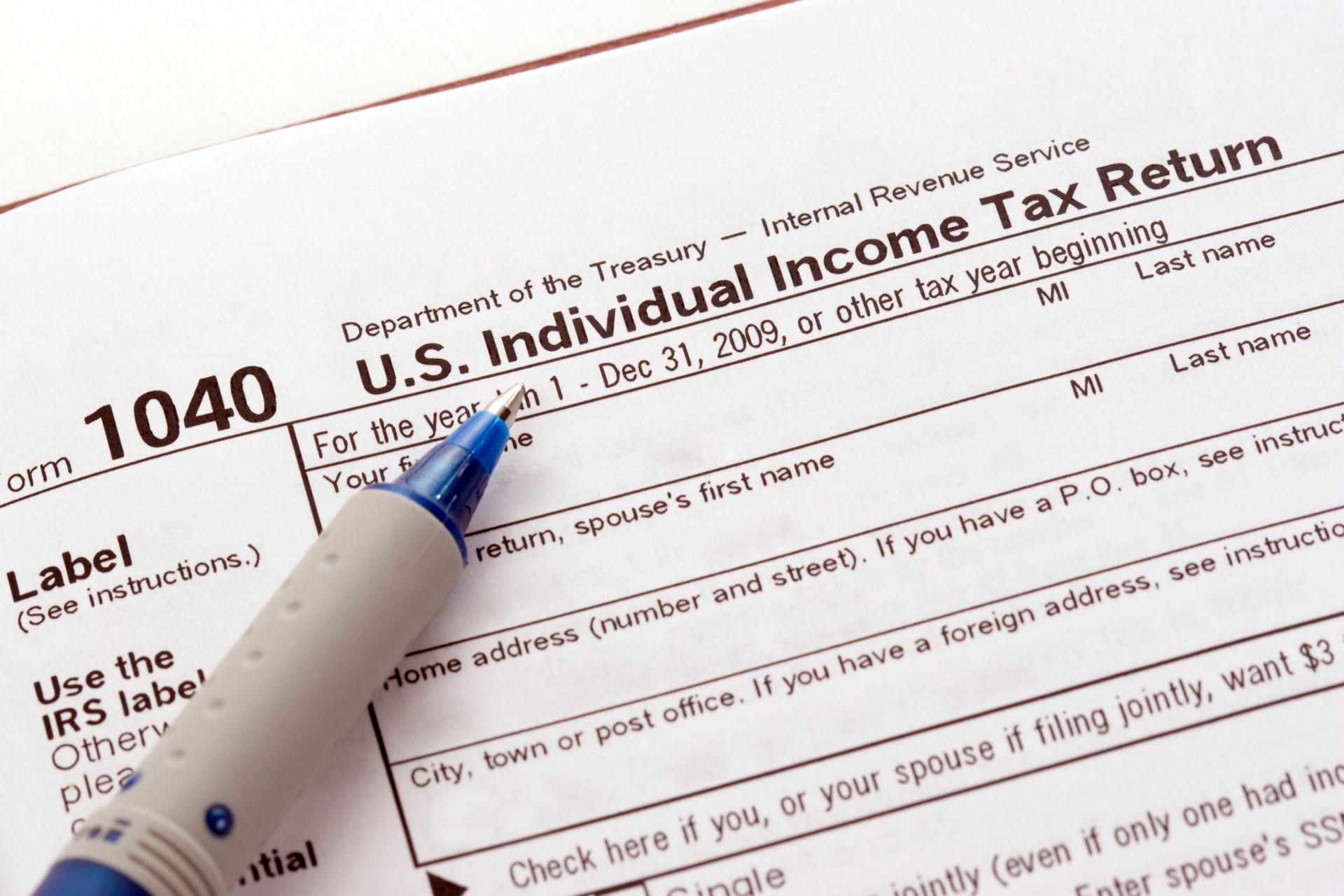
IRS Form 5695 is the tax credit claim form that will be submitted to the government. Generally, you do not need to attach additional information unless the IRS specifically requests it. IRS Form 5695 instructions require the tax form for energy credit to be completely filled out to qualify. This means that all applicable sections contain information. You can’t just put the credit amount on the bottom line. The IRS needs details to process your tax form for energy credit.
How Long Should Energy Tax Credit Documentation Be Kept?
IRS Form 5695 is the tax credit claim form that will be submitted to the government. Generally, you do not need to attach additional information unless the IRS specifically requests it. IRS Form 5695 instructions require the tax form for energy credit to be completely filled out to qualify. This means that all applicable sections contain information. You can’t just put the credit amount on the bottom line. The IRS needs details to process your tax form for energy credit.

Other Documentation Considerations
Understanding how to claim energy tax credits is relatively straightforward if you follow IRS Form 5695 instructions carefully. However, there are a few other considerations to be aware of. First, states can have different forms to claim energy tax credits. If you live in a state where the state offers an additional credit, it’s important to fill out the necessary forms. Additionally, many states offer rebates outside of the tax return to help make energy-efficient property more affordable.
When claiming energy tax credits and preparing your documentation, it’s always best to consult with a qualified accountant. An accountant understands the specifics of Form 5695 and can help you put together a complete and compliant form for the energy credit. Additionally, a tax accountant can help you manage any credit carryovers and maximize your credit claim.
Summary
If you believe you can claim energy tax credits on your tax return this year, it’s essential that you prepare the property documentation prior to tax time. It’s much easier to track down contractor information when the property is installed compared to six months after the fact. If you’re ready to upgrade your HVAC equipment in North Carolina, reach out to one of our team members today to get started.

Share this Article >
Need help?
Our AC Services