
Understanding the Residential
Clean Energy Credit
Share this Article >
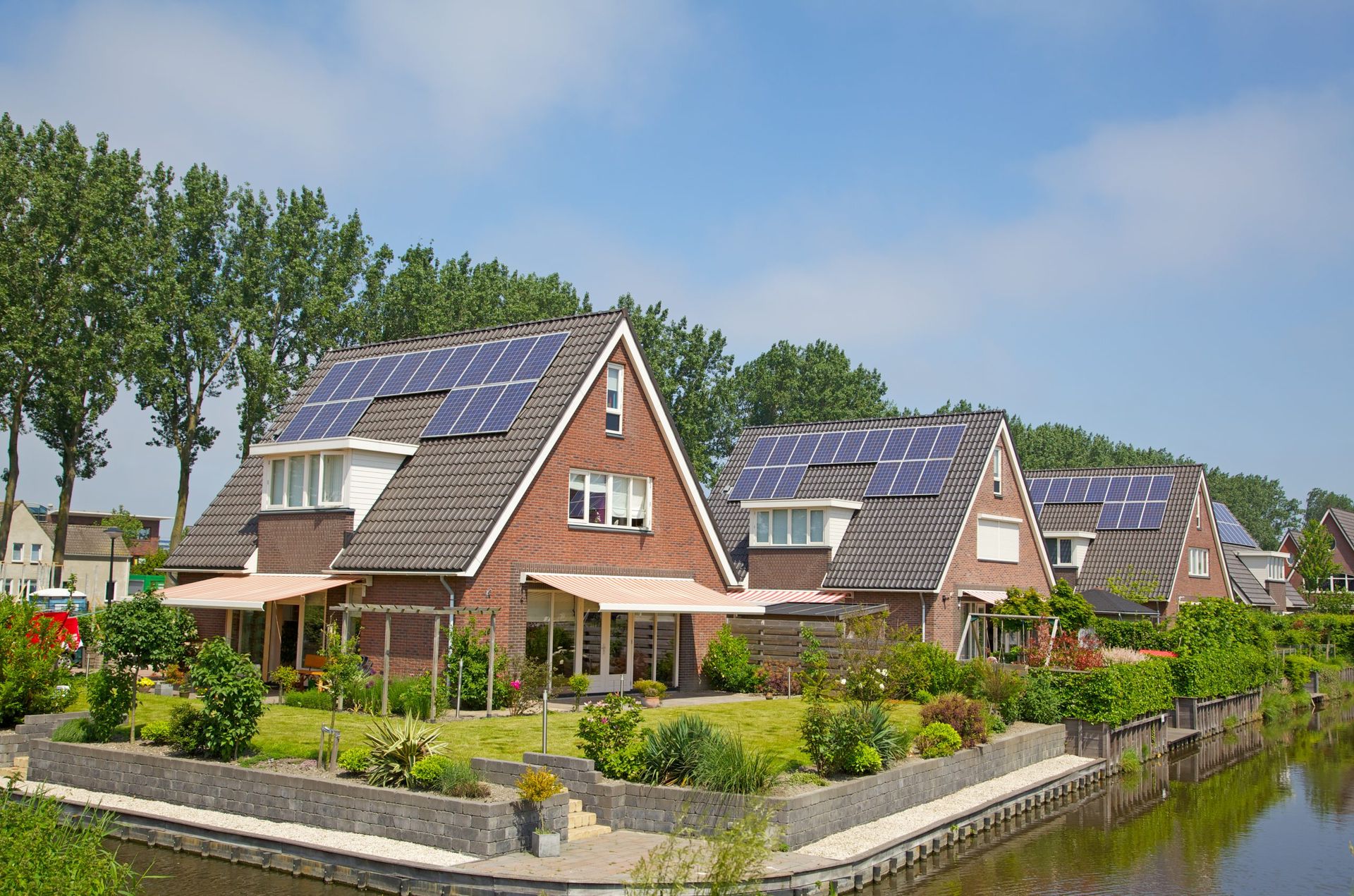
Did you install new solar panels on your home? How about upgrading your water heater or heat pump for solar-powered property? If so, you may be eligible to claim the Residential Clean Energy Credit.
Eligible residential energy property expenditures give way to a 30% deduction, making these upgrades more affordable. In this article, we’ll cover an overview of residential energy tax credits, including how the residential renewable energy tax credit works, what qualifies, and potential limitations.
This article is not a substitute for professional tax advice. If you are considering claiming this credit, it’s best to work with a tax accountant who can advise you on your eligibility, potential limitations, and the credit-claiming process.
What is the Residential Clean Energy Credit?
The Residential Clean Energy Credit is a tax credit given to taxpayers who make qualified renewable energy improvements to their homes. Up to 30% of the cost of installing new clean energy property is eligible for the residential energy property tax credit. Unlike other energy tax credits that are not set to expire, the Residential Clean Energy Credit is set to reduce starting after 2032. In 2033, the credit percentage drops to 26%, and in 2034, the credit is reduced to 22%.
The Residential Clean Energy Credit is nonrefundable and has no annual or lifetime dollar limit (other than limitations on fuel cell property, which we’ll discuss in the next section). This means that you can claim the credit each year you place a qualifying property in service.
Who Qualifies for the Residential Clean Energy Credit?

The residential renewable energy credit is designed for taxpayers with homes in the United States. Improvements must be made to your main home. However, you do not need to own the home. If you make qualifying improvements to a rental home that is your primary residence, those expenditures qualify for the credit. One stipulation of this credit is that the home must be located in the United States. A primary home in Mexico would not qualify even if you were a United States resident.
Landlords are specifically excluded from taking this credit unless they live in the home. For example, if you have a rental property that you do not reside in, you aren’t eligible for this tax credit. However, if the home is a duplex and you live in one unit, you may be eligible for a reduced credit.
Unlike many of the other energy tax credits, you may be able to claim the Residential Clean Energy Credit on second homes that you live in part-time. Let’s say that you spend winters in Arizona. If you make qualifying improvements to your Arizona home, you may be able to claim this tax credit. To determine your credit eligibility, it’s important to consult with an accountant.
What Property Qualifies for the Residential Clean Energy Credit?
Not all renewable energy is eligible for the Residential Clean Energy Credit. In fact, there are specific residential energy property expenditures that qualify. The first requirement is that the property is new, not used. Eligible expenditures can also include the cost of installing the property, such as onsite preparation, labor costs, and wiring. Let’s go through each of the qualifying items in more detail, including potential limitations.
- Solar Water Heaters – Must be certified by the Solar Rating Certification Corporation or endorsed by your state.
- Geothermal Heat Pumps – Must meet Energy Star requirements.
- Battery Storage Technology – Must have a kilowatt-hour capacity of at least three.
- Fuel Cells – Credit is limited to $500 for each half kilowatt of capacity.
- Solar Electric Panels
- Wind Turbines

It’s also important to note that loan origination fees and interest paid on loans do not qualify as residential energy property expenditures. Let’s say you take out a loan to finance your solar panels. You pay $2,000 in interest during the tax year. This $2,000 is not a qualifying expenditure and cannot be used to increase your tax credit. Remember, the entire cost of property is deductible in the year placed in service, regardless of whether the amount is financed.
How Do I Claim the Residential Energy Tax Credit?
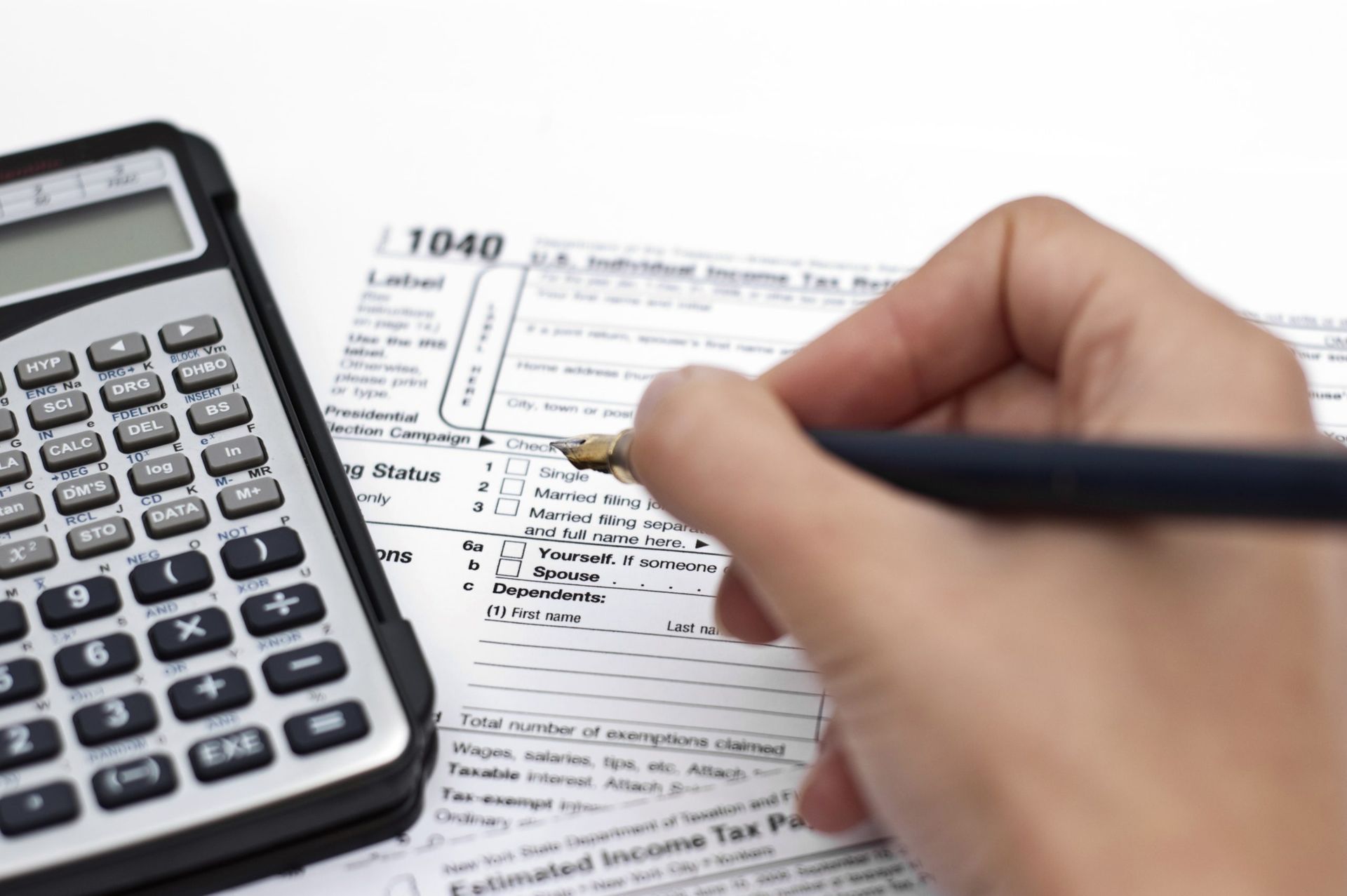
The Residential Energy Tax Credit is claimed on Form 5695 on your individual income tax return. This credit applies to the year the property is placed in service. For example, if you purchase qualifying property in 2025, you will claim the credit on your 2025 income tax return. Claiming the residential energy property tax credit can be confusing, especially when factoring in business use of home and other limitations, which is why working with a tax accountant is best.
What are the Limitations of the Residential Clean Energy Credit?
There are limitations when claiming the Residential Clean Energy Credit. Although tax Form 5695 residential energy credits will outline many of these limitations during the computation process, it’s important to have a general understanding of what to expect.

Business Use of Home
Taxpayers who have qualifying businesses run out of their homes face credit limitations. The credit limitation is based on the percentage of your home used for business. If less than 20% of your home is used for business, you are eligible for the entire credit. However, if more than 20% of your home is used for business, the credit is based on the expenses allocable to nonbusiness use.
Let’s say that 40% of your home is used for business. You placed $10,000 worth of residential energy property expenditures in service. First, you need to calculate the amount of expenditures allocable to nonbusiness use. In this example, $6,000 or 60% would be available. Then, the credit is computed based on the $6,000 of available expenditures or $1,800.
Nonrefundable
The Residential Clean Energy Credit is nonrefundable, meaning the credit cannot create a refund on your income tax return. However, you are able to carry forward unused credit amounts to future years. Let’s say that your tax due before you claim the Residential Clean Energy Credit is $5,000. During the year, you placed $25,000 of qualifying property in service. Multiplying this by the credit percentage of 30% results in a credit of $7,500. Since your tax due is only $5,000, your credit will be limited, and the remaining $2,500 will be carried forward to a future tax year.
Rebates and Subsidies
In addition to federal credits, you may be eligible to claim rebates and subsidies for the property placed in service. Rebates and subsidies can reduce the amount of eligible expenditures claimed on tax Form 5695. Residential energy credits are reduced for public utility subsidies and rebates if the rebate is based on the cost of the property and it comes from someone connected to the sale, like a manufacturer or installer. State energy efficiency incentives are generally not deducted from qualifying costs.
Summary
This overview of residential energy tax credits is designed to introduce you to the Residential Clean Energy Credit. However, it shouldn’t serve as your trust-all guide. In fact, consulting with an accountant is the best way to determine your credit-claiming ability. The Residential Clean Energy Credit is only one of the credits homeowners can claim on Form 5695. For more information about the Energy Efficient Home Improvement Credit, check out our other posts.

Share this Article >
Need help?
Our AC Services