
Understanding the Energy Efficient Home Improvement Tax Credit
Share this Article >
Did you know that you can claim a tax credit for energy-efficient windows? How about receiving a tax break for energy-efficient appliances? The cost of upgrading items in your home, like your HVAC, windows, doors, and insulation, can quickly become expensive. When choosing between different products, the IRS wants to incentivize you to choose energy-efficient property, which is why they offer tax breaks for energy-efficient home improvements.
In this article, we’ll break down the Energy Efficient Home Improvement Credit, including what qualifies, the credit limits, and how to claim this tax incentive. If you have any questions about your specific energy-efficient upgrades, consult with your tax accountant.
What is the Energy Efficient Home Improvement Tax Credit?

The Energy Efficient Home Improvement Tax Credit is a credit homeowners can claim up to $3,200 each year. This credit is in effect through 2032. Prior to 2023, the Energy Efficient Home Improvement Credit was limited to a lifetime amount of $500. This meant that once taxpayers reached the $500 credit, they could no longer claim any additional credit. However, under the Inflation Reduction Act of 2022, the credit was reworked, allowing taxpayers to claim a credit each year that qualifying expenditures are made.
The maximum nonrefundable credit you can claim each year is $1,200 for energy-efficient property and $2,000 per year for qualified heat pumps, biomass stoves, biomass boilers, and water heaters. It’s important to note that there are other limitations for energy-efficient property. Exterior doors are limited to $250 per door up to $500, exterior windows and skylights are limited to $600, and home energy audits are limited to $150. We’ll talk more about these limits in the next section.
Who Qualifies for the Energy Efficient Home Improvement Credit?
To qualify for a tax write-off for energy-efficient windows or an energy-efficient AC tax credit, there are a few conditions that must be met. First, the home must be your main home. This means you primarily reside there. Second, the home must be located in the United States. If you are a United States resident living overseas, improvements on an overseas home would not qualify.
Another important qualification criteria for the Energy Efficient Home Improvement Tax Credit is that the home is not new. Eligible improvements are to an existing home, not a new build. You may be eligible for other energy-efficient credits on newly built homes. Moreover, landlords who do not live in the home cannot take the credit.
What Improvements Qualify for the Energy Efficient Home Improvement Tax Credit?
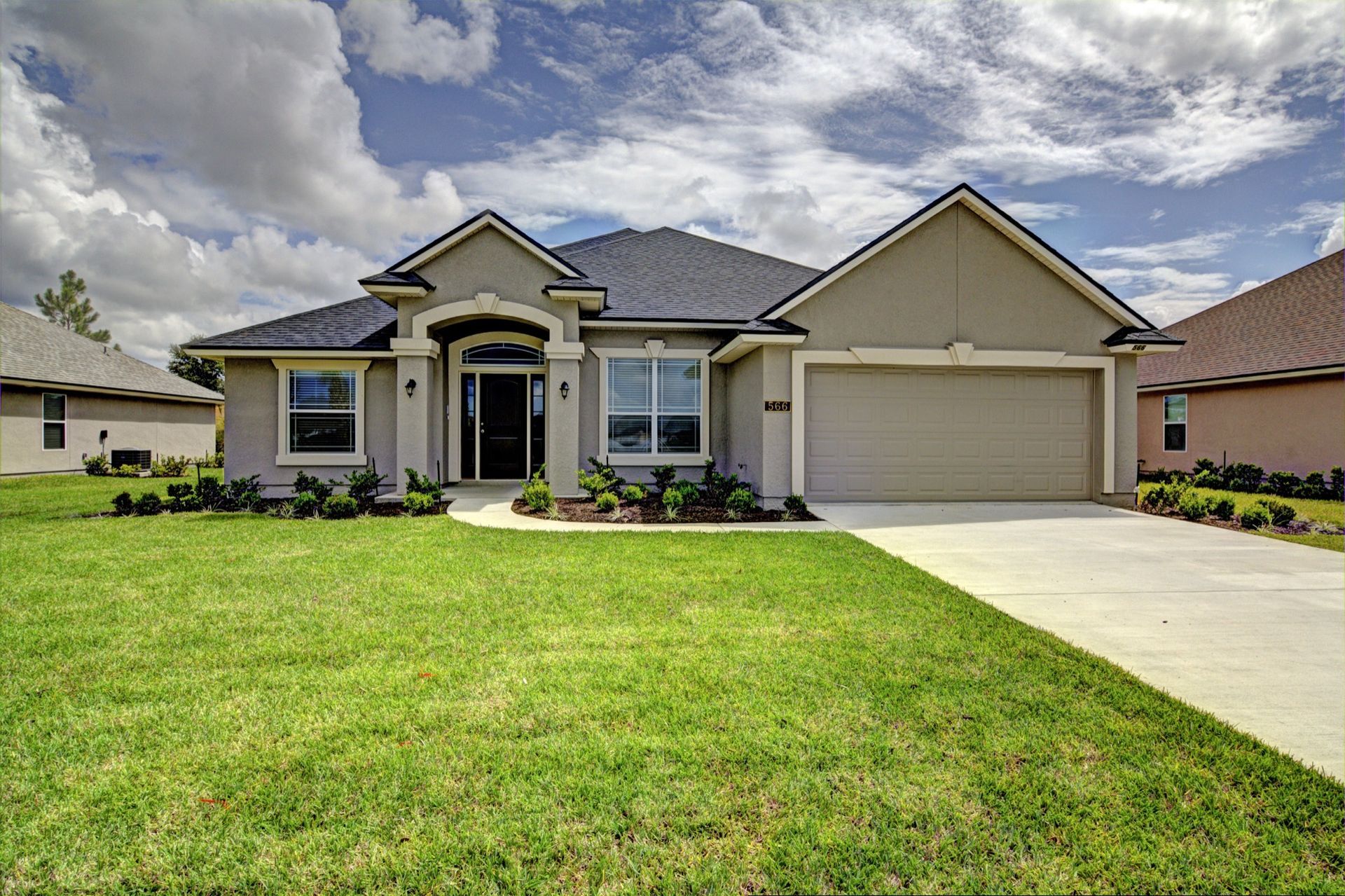
The federal tax credit for energy-efficient home improvements applies to certain upgrades. Before we get into the specifics of each section of property type, it’s important to understand that the property placed in service must be new. Installing a used air conditioner wouldn’t qualify since you were not the first user of the property. All materials and systems must be new to qualify.
HVAC Energy Efficient Tax Credits
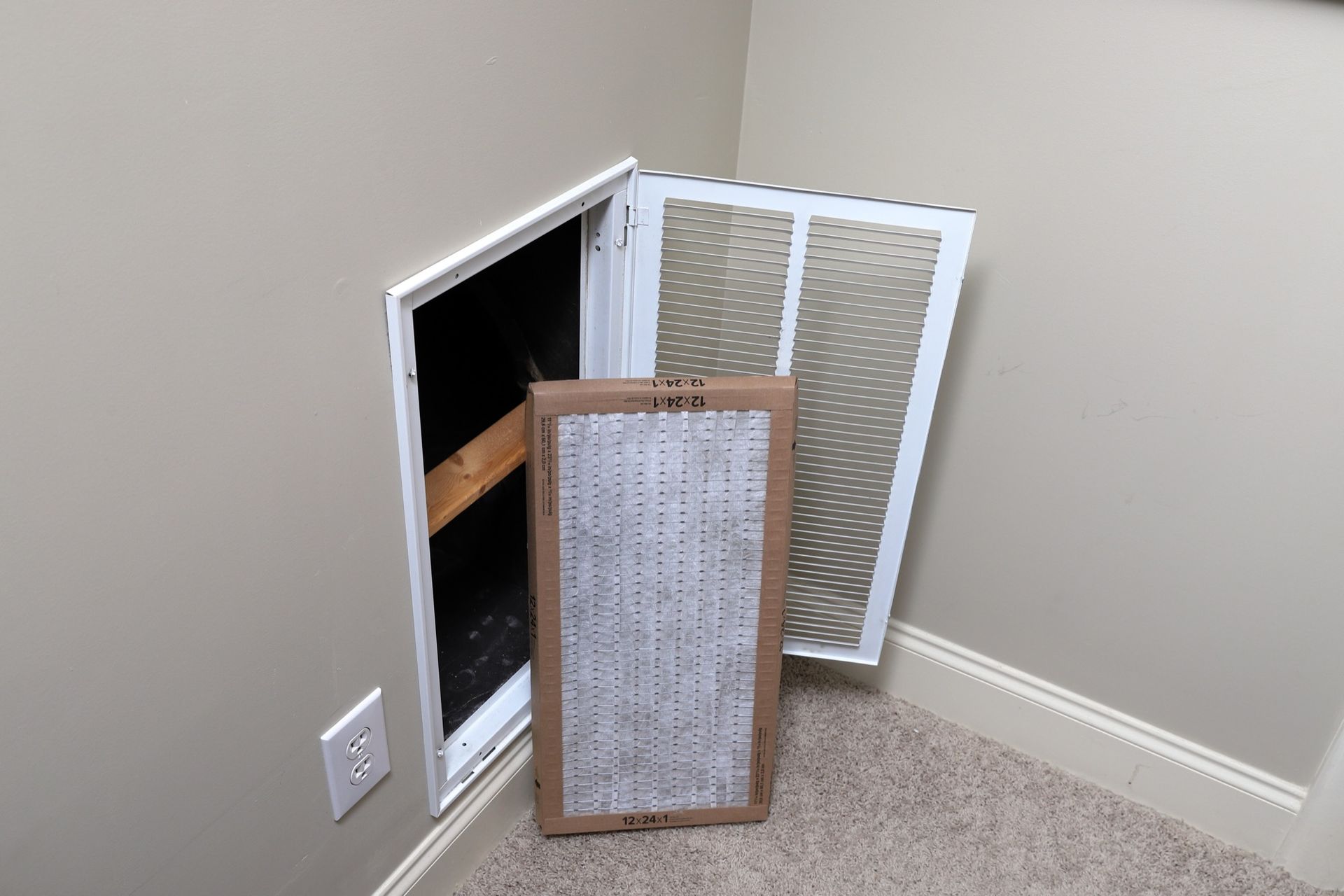
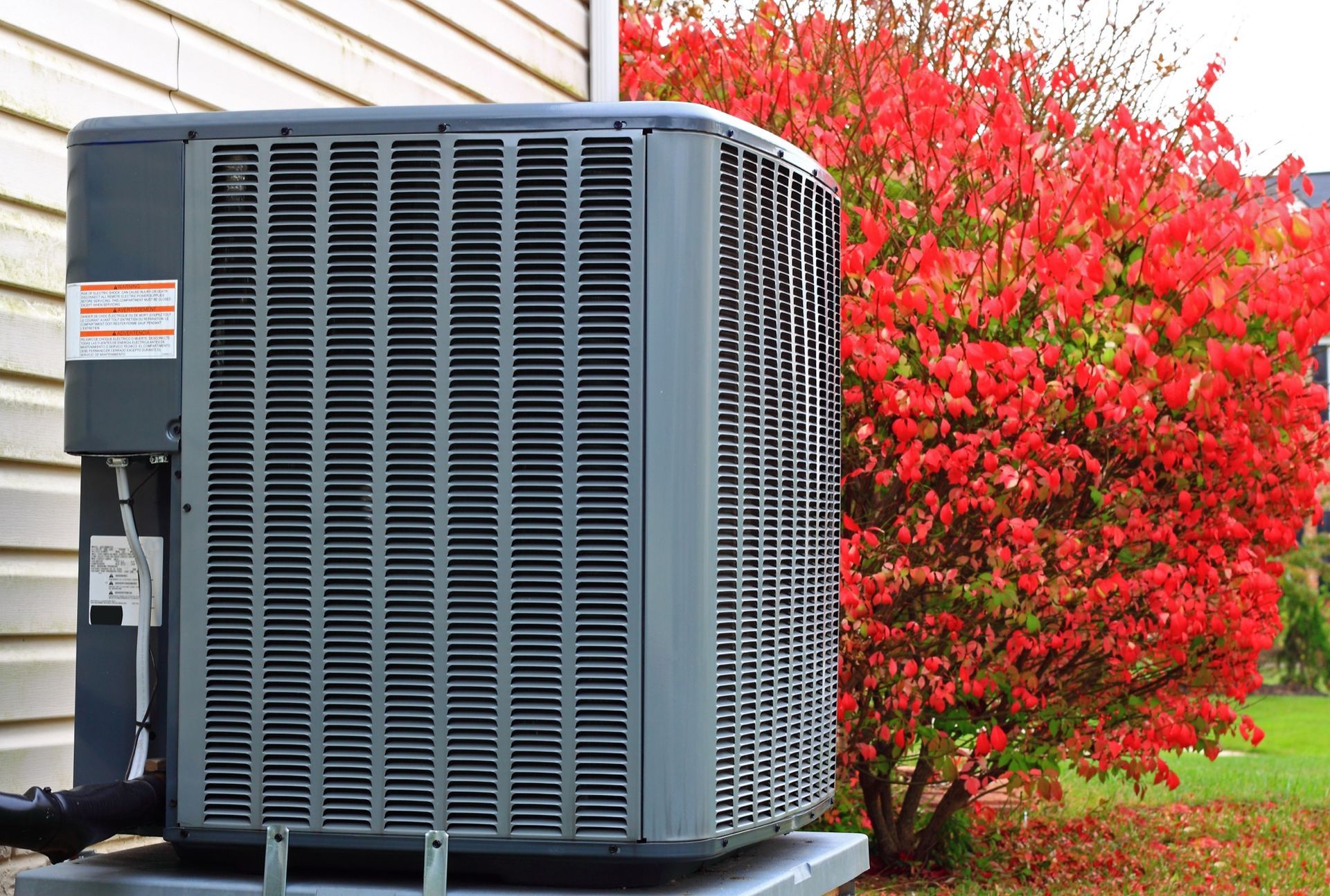
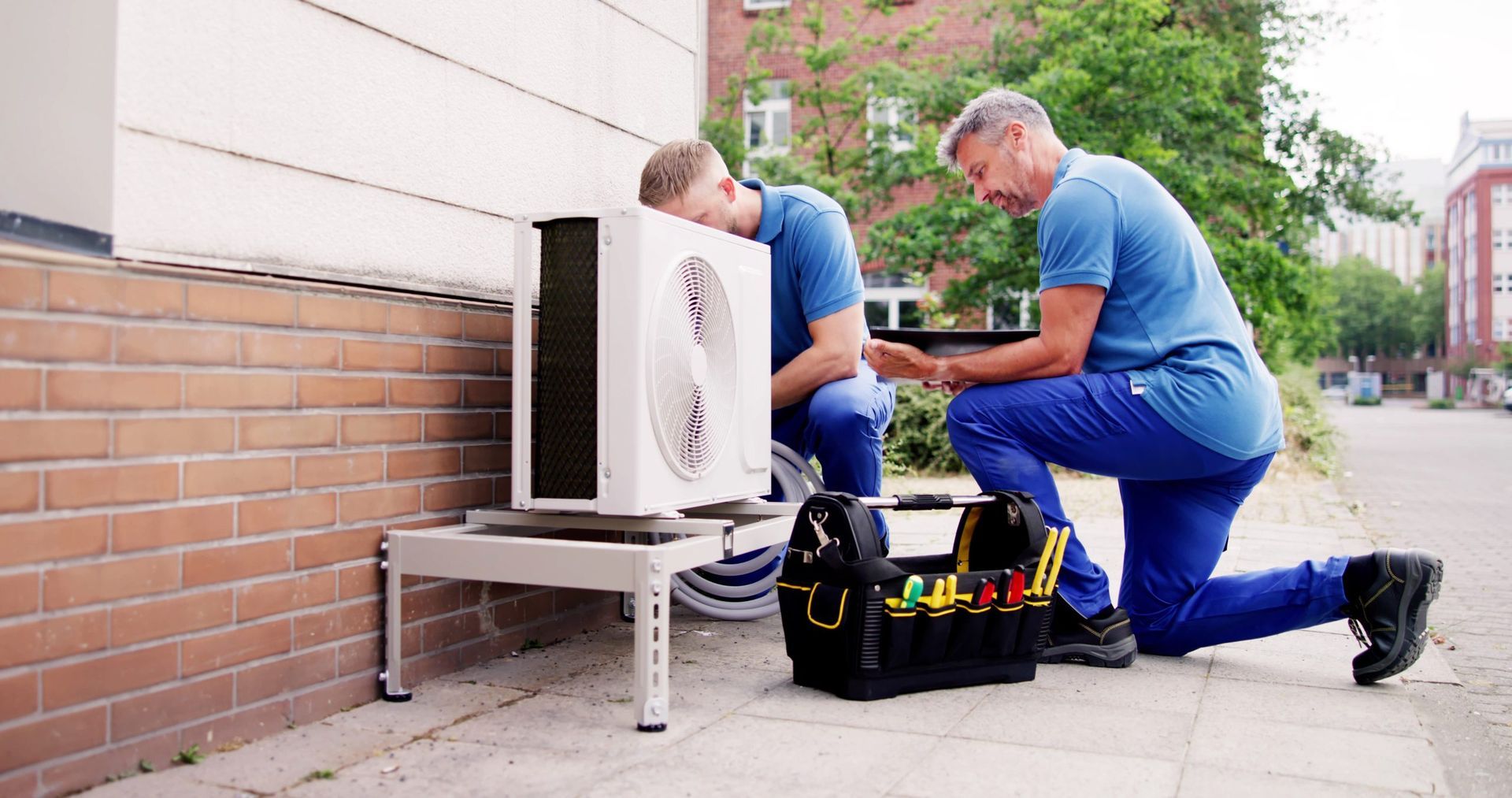
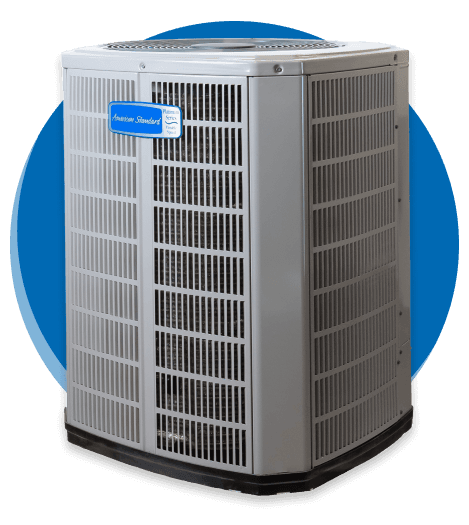
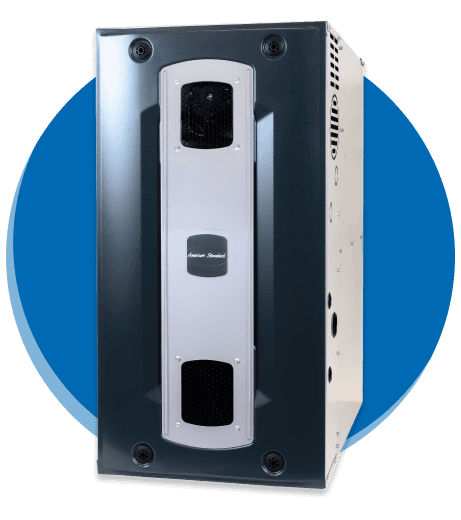
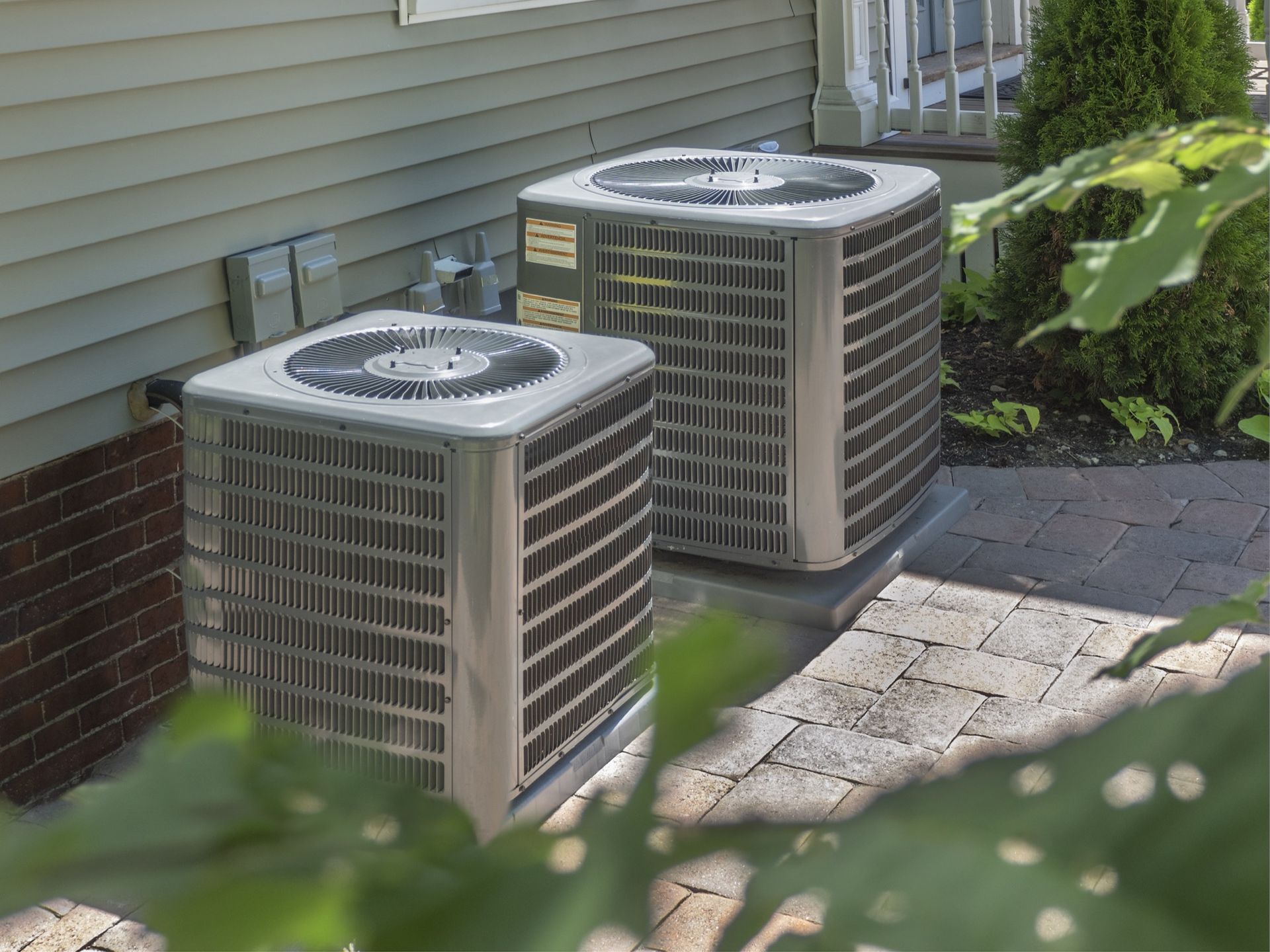
Energy-efficient AC tax credits are available up to $600. In addition, natural gas, propane, and oil water heaters, furnaces, and hot water boilers are also eligible for a credit of up to $600. To qualify for HVAC energy-efficient tax credits, the property must meet or exceed the Consortium for Energy Efficiency’s highest tier. Electrical components to install the HVAC systems are also eligible expenditures, including panelboards, subpanelboards, branch circuits, and feeders if they meet the National Electric Code and have 200 amps or more.
Tax Credit for Energy-Efficient Windows and Doors
Eligible doors and windows must meet Energy Star certification requirements. Additionally, each door is limited to a credit of $250. Let’s say that you replaced three qualifying exterior doors at $1,000 each. Your total door credit will be capped at $500. The tax write-off for energy-efficient windows also has a $600 limitation. Labor costs related to windows and doors do not qualify.
Insulation and Sealing Materials
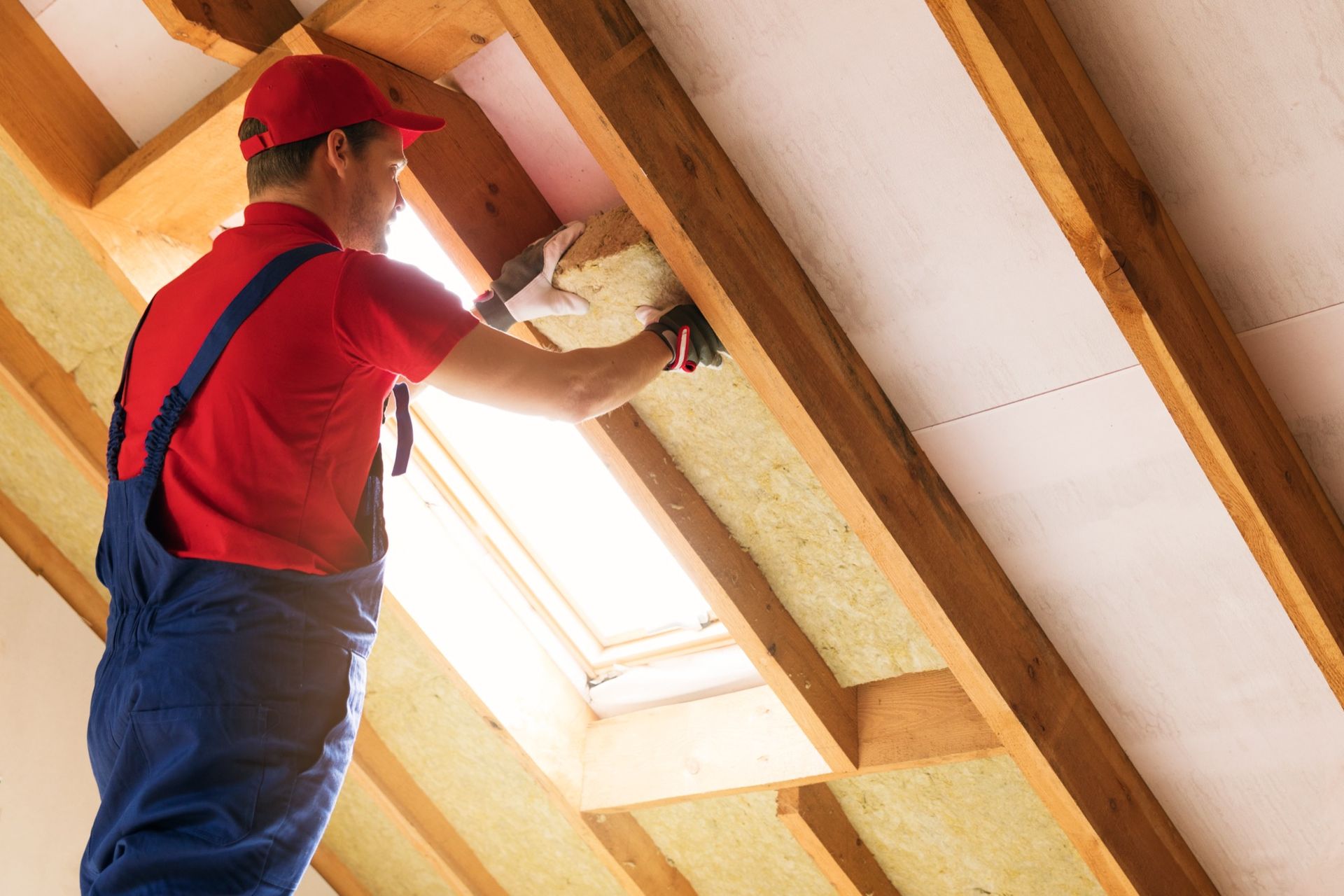
Insulation and air sealing materials and systems must meet International Energy Conservation Code standards. The credit for insulation is limited to $1,200. Insulation and air sealing materials are one of the few property types that will not require a qualified manufacturer PIN in 2025 (more on this in a later section). Labor costs associated with insulation and air sealing materials do not qualify for the credit.
Home Energy Audits
Home energy audits are limited to a credit of $150. To qualify, the home energy audit must be a written report by a qualified home energy auditor through one of the Department of Energy’s certification programs.

What are the Energy Efficient Home Improvement Tax Credit Limits?
Tax breaks for energy-efficient homes do have some limitations in addition to credit limits. Let’s explore these limitations in more detail.

Business Use of Home
If you use your home to run a business, your credit may be limited. If the area of your home allocated to business use is less than 20%, you qualify for the full credit. However, if business use is over 20%, the portion of expenses allocable to the credit is reduced. Let’s say that your business uses 50% of your home. Your credit is limited to 50% of the expenses.
Nonrefundable
Tax breaks for energy-efficient homes are nonrefundable. This means that the credit cannot exceed your tax due. Let’s say that your tax due before your credit computation is $2,000. Your Energy Efficient Home Improvement Credit claim totals $2,500. The excess $500 will be carried forward to future years.
It’s important to distinguish between your tax due and your refund. The credit limitation is imposed on your tax due, which is before any withholding. Using the above example, let’s say that you had $3,000 withheld during the year from your W-2. Your refund, assuming no other factors, would be $3,000. The credit can reduce your calculated tax down to zero, helping you generate a larger refund.
Qualified Manufacturer
Beginning in 2025, there is an additional layer of complexity when claiming the tax credit for energy-efficient home improvements. To be eligible, the property must be produced by a qualified manufacturer. A qualified manufacturer is one that has a valid registration and agreement with the IRS through the IRS Energy Credits Online portal. Each qualified manufacturer will receive a PIN that will be shared with taxpayers. This PIN is required to submit a credit claim.
The qualified manufacturer requirements apply to exterior doors, windows, skylights, central air conditioners, biomass stoves, biomass boilers, water heaters, heat pumps, hot water boilers, and furnaces. Without the PIN on Form 5695, you will not be able to claim the Energy Efficient Home Improvement Credit.
How to Claim the Energy Efficient
Home Improvement Tax Credit?
The federal tax credit for energy-efficient home improvements is claimed by filing Form 5695 in the year the property was placed in service. For example, energy-efficient home improvements made in 2025 would be reported on your 2025 income tax return. This credit cannot be claimed for improvements outside of the tax year. For example, if you forgot to claim the credit in 2024, you would need to amend your 2024 tax return.
Summary
Claiming tax breaks for energy-efficient homes can help lower the financial impact of upgrading your furnace, AC, windows, doors, and more. If you’re ready to get started with upgrading your HVAC, contact one of our team members today to schedule your free consultation

Share this Article >
Need help?
Our AC Services